Evergreen Structure And Winter Interest
| Common name | Evergreen Structure And Winter Interest |
|---|---|
| Botanical name | Not applicable (descriptive category) |
| Type | Descriptive horticultural category |
| Original use | Garden design and year-round visual appeal |
| First created | Not applicable (conceptual category) |
| Key feature | Provides visual form and texture during dormant seasons |
| Typical examples | Conifers, broadleaf evergreens, plants with persistent seed heads or stems |
| Primary season of interest | Late autumn through early spring |
| Site context | Planning and assessing the winter garden landscape |
Origin and history
The concept of "Evergreen Structure and Winter Interest" is not a single plant cultivar but a foundational principle of temperate and cold-climate garden design. It originated in Northern Europe and parts of Asia, where gardeners historically contended with long, visually stark winters. The practice was formally documented and systematized by European landscape gardeners and estate designers from the 18th century onward. Its principles were further refined in the early 20th century by influential garden designers on both sides of the Atlantic, who emphasized year-round garden composition. The term itself became a standard phrase in horticultural literature and nursery catalogs in the latter half of the 20th century. It represents a collective gardening philosophy developed over centuries to address the seasonal deficit of color and life.
What it was bred for
This design principle was developed to provide visual stability and appeal in the garden during the dormant season. It specifically aims to counteract the barren, monochromatic effect of winter by ensuring permanent architectural form. The concept selects for plants that retain key physical attributes, such as foliage, stems, seed heads, or bark, after deciduous plants have shed their leaves. It was bred, metaphorically, to create a "backbone" or skeleton for the garden that remains effective from autumn through to early spring. This framework is intended to prevent the garden from appearing empty or neglected for several months of the year. Ultimately, it serves to extend the garden's aesthetic value and provide critical habitat and food sources for overwintering wildlife.
Life cycle
The life cycle relevance here pertains to the selected plants that fulfill this role, which are typically perennial, woody, or have persistent parts. Evergreen conifers and broadleaf shrubs provide constant foliage, living through many annual cycles while maintaining their structure. Deciduous plants with notable winter attributes, like ornamental grasses or shrubs with colorful stems, enter a dormant phase but deliberately retain their standing dead material. The gardener's intervention is key to this life cycle, often involving selective pruning in late winter or early spring to renew the display. For many plants used, their winter interest phase is the culmination of their annual cycle, showcasing bark or berries formed in the previous growing season. The principle relies on plants with life cycles that either defy seasonal dieback or whose senescence is itself visually compelling.
Character and appearance
Character is defined by steadfastness and textural contrast against winter skies and snow. Appearance is dominated by non-leaf attributes: the rich red, yellow, or green stems of dogwoods and willows, the peeling bark of birch or stewartia, and the structural silhouettes of trees like oak. Evergreen foliage provides mass and color, ranging from deep greens of yew to the blues of spruce and the golds of false cypress. Persistent seed heads on perennials like sedum or ornamental grasses add volume and movement, catching frost and snow. Berries on hollies, cotoneasters, and crabapples offer vivid pops of red, orange, or yellow. The overall appearance is one of quiet drama, relying on form, silhouette, and subtle color rather than floral abundance.
Pros and cons
A significant pro is the transformation of the garden into a four-season asset, greatly increasing its enjoyment and perceived value. This framework provides essential shelter and food for birds and insects during the scarcest months, supporting local ecology. A major con is that it requires deliberate forward planning and plant selection, which novice gardeners often underestimate, leading to a sparse winter effect. Common mistakes include planting evergreens too closely together for immediate effect, resulting in a crowded, unhealthy thicket within a few years. Gardeners who prioritize only summer blooms often regret their choices in winter, facing a landscape that appears empty and unstructured. The principle can also be limiting in very small gardens, where every plant must multi-task, making the selection of slower-growing, specimen-quality plants more critical and costly.
Who it suits
This approach suits disciplined gardeners who plan their space with all seasons in mind from the outset, not just the growing season. It is ideal for residents in regions with pronounced winters who spend time viewing their garden from indoors and desire an attractive outlook. Landscape professionals and designers frequently employ this principle as a non-negotiable foundation for creating coherent, lasting planting schemes. It suits ecological gardeners aiming to support biodiversity throughout the year by providing consistent habitat. The principle is less suited to those who prefer a constantly changing, annual-based garden or gardeners in mild winter climates where the dramatic seasonal contrast is minimal. It also requires a tolerance for the natural decay process, as leaving seed heads and grasses standing goes against the instinct to "tidy up" in autumn.
Latest Evergreen Structure And Winter Interest news
Latest reporting

Fall pruning mistakes with lilacs, forsythia, and azaleas
Pruning certain shrubs in autumn removes next year's flower buds and stimulates tender growth vulnerable to winter damage, harming spring blooms and...

Best Ornamental Grasses for Fall Color and Winter Interest
Native ornamental grasses like Little Bluestem and Switchgrass deliver vibrant fall foliage and persistent seedheads, extending garden interest into...

Hellebore Fall Care Tips for Winter Blooms
As hellebores begin active root growth in September, timely fall care including light tidying, feeding, and managing volunteers is essential for...

September Fuchsia Care for Final Blooms and Winter Prep
Gardening Know How outlines six essential tasks for fuchsia care in September, focusing on adjusting water and feed, light pruning, pest checks, and
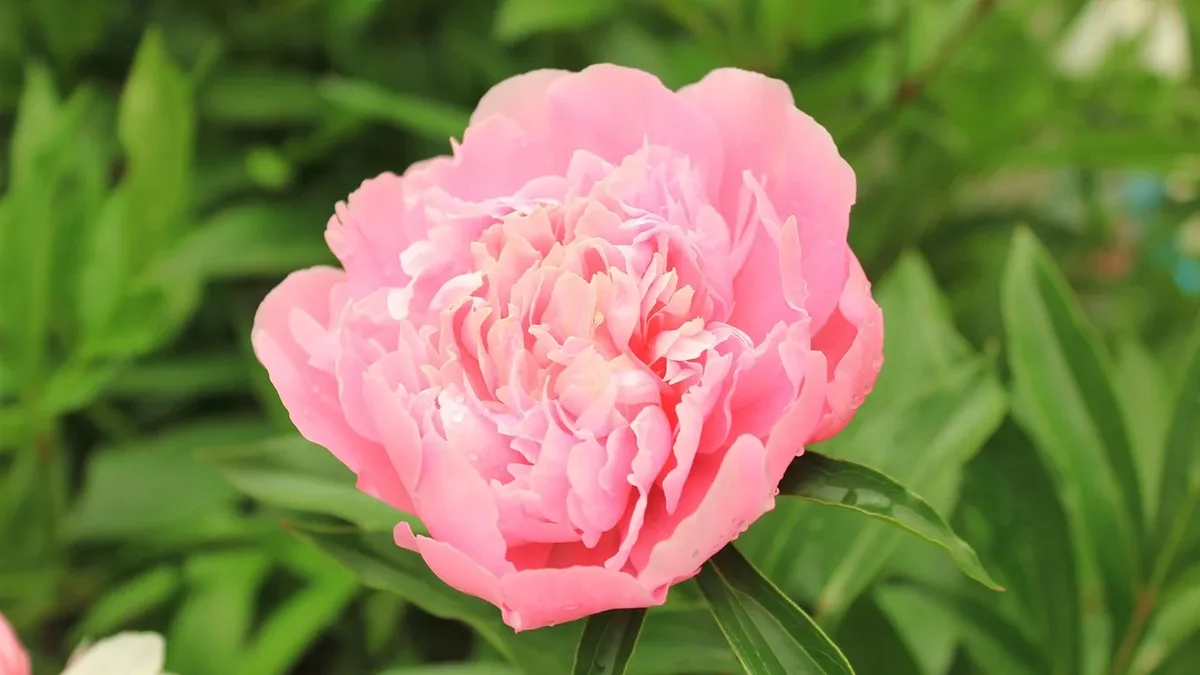
September Peony Care Tasks for Next Year's Blooms
Five essential fall gardening tasks for peonies, including cutting back foliage, dividing plants, and winter mulching, to ensure healthy growth and
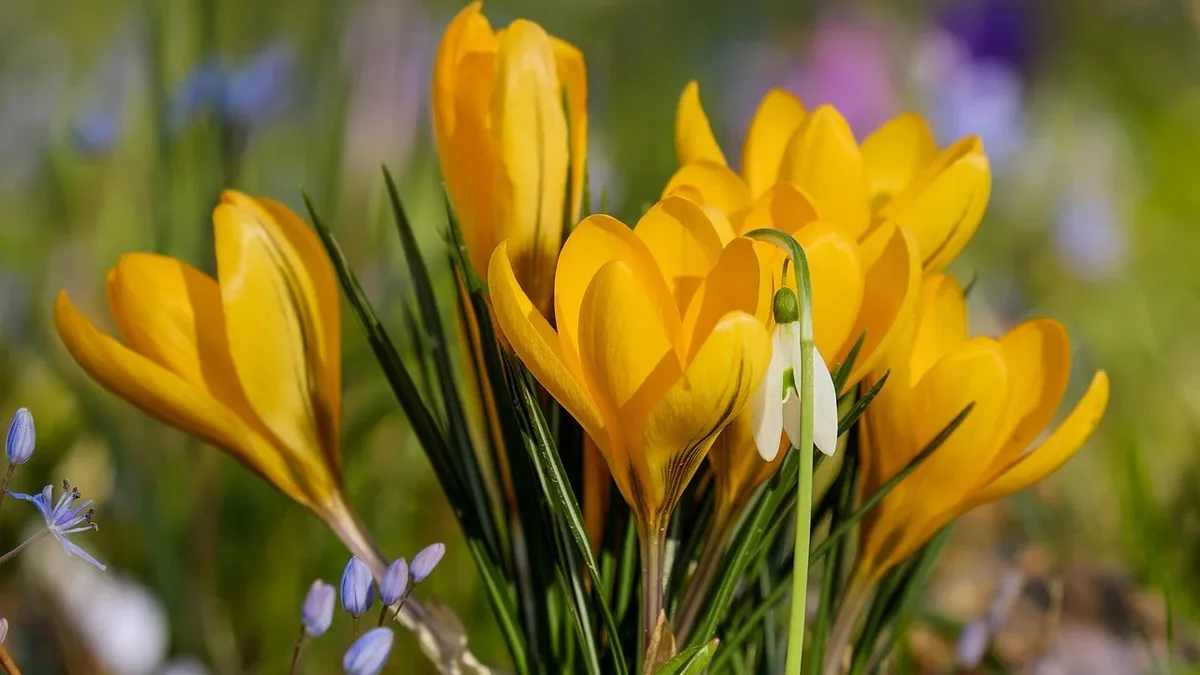
Winter Flowering Bulbs Planting Guide September
September is the ideal time to plant winter and spring-flowering bulbs like snowdrops and crocuses for colour from late autumn.