Lemon Tree October Care for Winter Protection
October is a critical month for lemon tree care, focusing on harvesting ripe fruit, adjusting watering, managing pests, and implementing winter protection.
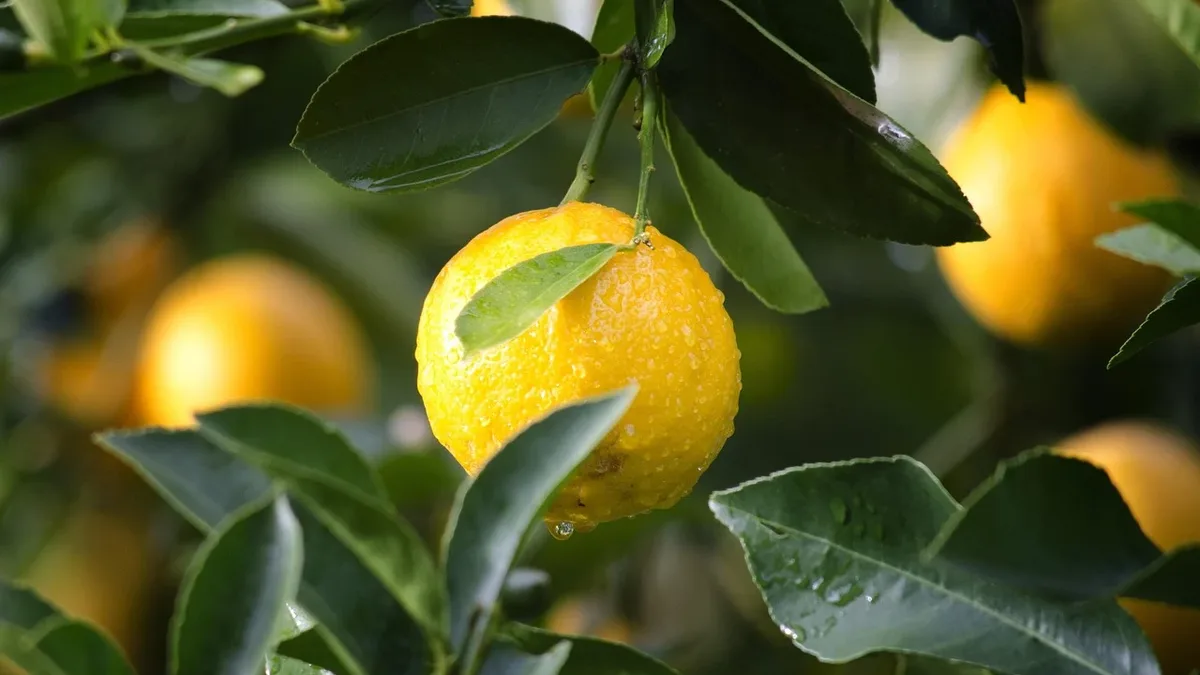
Lemon tree October care is essential for winter protection and preserving the harvest. As fall temperatures drop, these least cold-hardy citrus trees need specific actions to avoid cold damage to leaves, fruit, and new growth. Trees hold fruit at several stages in October, from hard green lemons to ripe ones ready for picking.
Color is not a reliable indicator of ripeness. A lemon can be fully yellow before its juice is ready, and ripe lemons can still show green on their skin. Instead, judge by touch and scent. Ripe lemons feel heavy for their size and firm yet yield slightly to pressure. They smell fresh and sweet when the peel is scratched near the stem. Lemons do not continue ripening after being picked, so sour fruit will remain sour.
Harvesting and watering adjustments
Harvest ripe lemons now, but leave unripe ones on the tree. Cut fruit from the branch with hand pruners rather than pulling to avoid tearing the skin, which leads to faster rotting. Watering should be reduced in October. Cool soil stays wet longer, and the tree uses less moisture after fruit formation. In rainy areas, irrigation can likely be stopped altogether this month.
Pruning and pest management
Pruning in fall should be avoided except for removing suckers. These are shoots from the rootstock below the graft union. They are often thorny, fast-growing, and steal energy. Suckers produce sour, seedy fruit. Prune them off flush with the trunk using sharp hand pruners. Other pruning can trigger tender new growth vulnerable to winter cold.
Check for common pests like brown soft scale, citrus mealybugs, and two-spotted spider mites. Signs include sticky leaves, ants on the trunk, small flat bumps on stems, or moving specks seen when tapping branches over white paper. Plant-derived solutions like neem oil are recommended for trees whose fruit will be eaten.
Treatment varies by pest and should be repeated weekly to break the lifecycle.
Preparing for cold weather
Protection strategies depend entirely on your USDA hardiness zone. The first cold nights of fall can cause significant damage.
Potted trees should be moved indoors when nighttime temperatures near 40°F (4°C), not when frost is forecast. A waterproof thermometer with alerts can help monitor conditions. Big pots are heavy; a heavy-duty plant caddy is useful for moving them. Indoors, place trees in a south-facing window with at least six hours of sun daily, away from heating vents. Water less frequently, only when the soil is dry about two inches down. It is normal for trees to drop some leaves after moving.
For potted trees kept outside, one option is to wrap a regular frost blanket around the pot permanently and use a breathable plant protection bag on the tree when cold is forecast. Plastic covers should not be used, as leaves touching them are more likely to freeze. Remove frost blankets the next morning once the air warms.
For outdoor lemon trees in winter, have frost covers ready. A heavy-duty blanket can be cut to size, staked to avoid touching leaves, and should hang to the ground to trap soil heat. Before a forecasted freeze, water the soil and pick any ripe lemons. Old-school incandescent Christmas lights release protective warmth, but modern LED lights do not.
| USDA Zone | Overwintering Guidance | Key Consideration |
|---|---|---|
| 10-11 | Can typically survive outdoors year-round | Potted trees are more vulnerable than in-ground ones |
| 9 | Generally safe outdoors but monitor closely | Use frost blankets if temperatures threaten to drop below 30°F; potted trees can be placed near a warm wall |
| 8 & Colder | Must be brought indoors before fall frosts | Keep inside in a constant-temperature location like an unheated greenhouse or bright porch until spring frosts pass |
Proper October care ensures lemon trees retain fruit through late fall and winter and survive to produce another crop next year.