September Pruning Guide: 6 Plants to Trim
Gardening expert Teo Spengler advises light September pruning for specific plants like blackberries and peonies to tidy the garden.
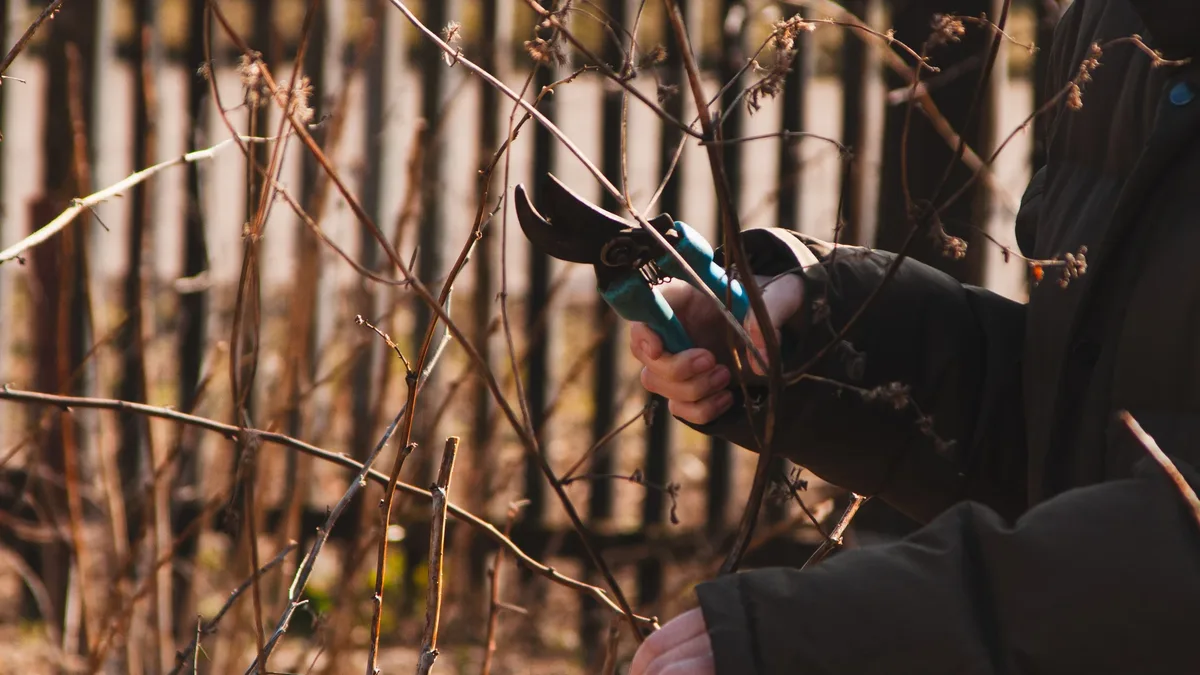
A little selective pruning in September can keep your garden tidy, but cutting the wrong plants can ruin next spring's blooms. Gardening expert Teo Spengler, a master gardener and docent at the San Francisco Botanical Garden, outlines which plants benefit from a fall trim and which should be left alone.
New growth stimulated by hard autumn pruning may not establish before frost, damaging plants for the following year. However, some plants do profit from light trims during this month.
Plants to Prune in September
Spengler recommends heading to the garden with pruners in hand for these six specific plants over the Labor Day weekend.
Blackberries
Blackberry canes are woody stems where the root system lives for years, but individual canes grow for two seasons. First-year canes are called primocanes, while second-year fruiting canes are floricanes. After fruiting, the floricanes die.
Prune blackberries and similar bush fruits like summer-fruiting raspberries, black currants, gooseberries, and red currants in September. Use sharp, sterilized pruners to cut the spent floricanes at ground level, taking care not to leave stubs. Do not trim the green primocanes.
Peonies
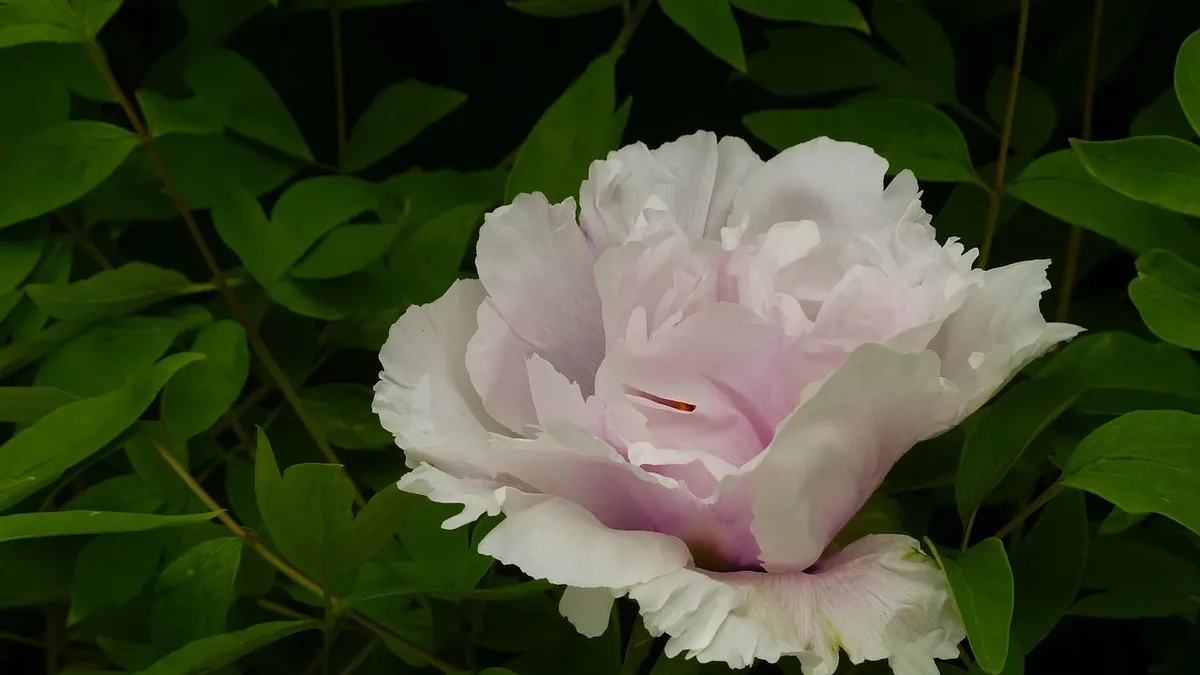
September is the time to clean up overcrowded perennial beds, starting with peonies. Remove all dead plant material and debris, including dead flower stems and basal foliage. Trim hollow dead stems back low at an angle to prevent water from collecting and rotting. If new growth is already present at the base, make the pruning cut just above it.
Rosemary
While annual herbs like basil or cilantro are done for the year, September is a good time for a light trim of perennial Mediterranean herbs. This category includes rosemary, lavender, oregano, and thyme, which can die if pruned in winter.
Do not chop these herbs to the soil. The goal is a light pruning to tidy them up, snip off browning spent stems, deadhead withered tips, and reshape them.
Yew Trees and Hedges
Yew is a common foundation plant and hedging shrub. Unlike many hedge shrubs, yew is hardy enough to tolerate a September clipping. For homeowners who prefer to clip hedges only once a year, September is the ideal time.
To keep the top of a yew hedge level during clipping, Spengler suggests installing a guide line using stakes and twine tied at the desired height.
Shasta Daisy
Shasta daisies do not need frequent pruning, but deadheading can prolong flowering. Once blooming definitively ends in September, the plant is ready for a fall haircut. Trim stems back to just above the leaves at the base and remove all debris from the garden bed. This cleanup can help the perennial return stronger the following year.
Garden Phlox
If garden phlox looks bedraggled or suffers from mildew, September pruning can help. This type of phlox peaks in early autumn. Cutting off the top third of tall stems increases air circulation, making fungal diseases like powdery mildew less likely. After the first killing frost, chop the plant off at ground level.
Plants to Avoid Pruning in September
Spengler provides a clear "definitely don't prune" list for autumn. Do not prune spring-blooming plants, as they have already set their flower buds for next year. Do not cut back plants with strong winter seedheads, which provide food for overwintering birds.
Roses should not be pruned, as they are likely to produce new shoots that will suffer in winter cold, potentially endangering the entire bush. Fruit trees like apple, cherry, and pear trees should also be left until their winter dormancy, as fall pruning can result in vulnerable new growth.
Spengler, who has written about gardening for over two decades, currently splits her time between San Francisco and the French Basque Country, drawing on experience from a range of climates including her upbringing in Alaska.