Harvest Baskets Gain Spotlight for Kitchen Gardeners
A recent social media post has highlighted the utility of traditional harvest baskets, or trugs, for home growers.
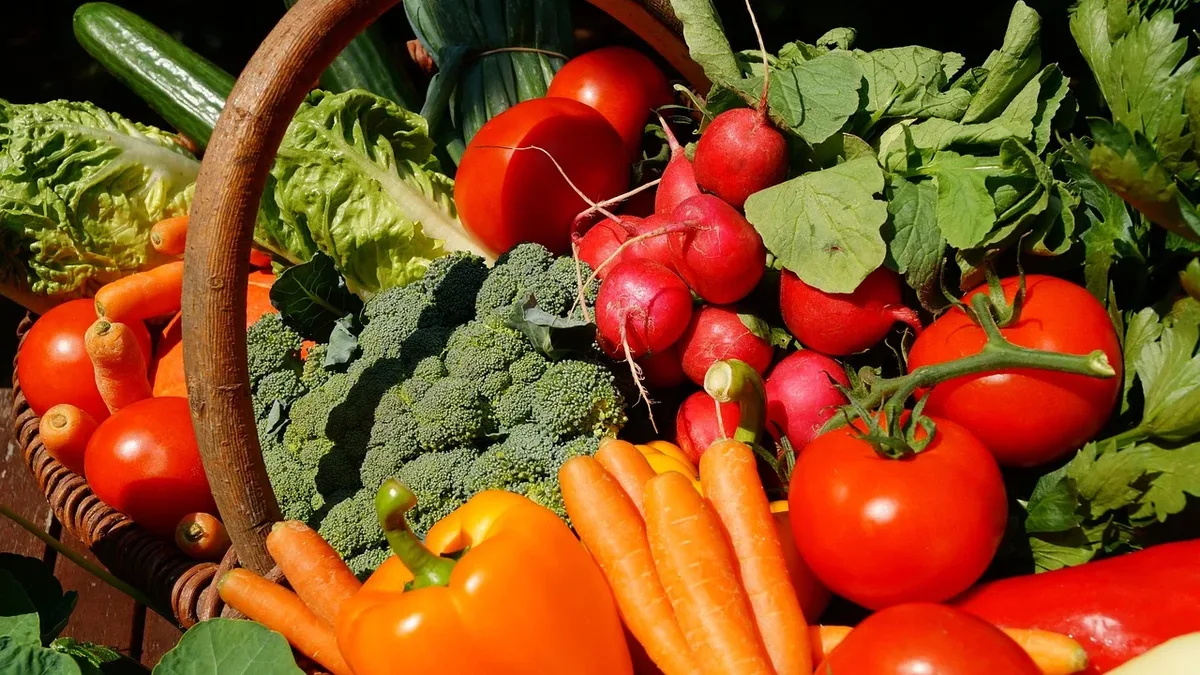
A social media post from Meghan Markle featuring a basket of garden produce has drawn attention to the practical tool for home growers. The article from Gardening Know How explains how to select a harvest basket and, more importantly, how to plan a garden to fill it consistently throughout the seasons.
Harvest baskets, often called trugs, are wide, shallow containers ideal for gathering vegetables and herbs. Their design prevents produce from being crushed, allows for air circulation to keep items fresh, and makes the harvest easily visible for sorting. The source suggests that for gardeners who also grow cut flowers, a deeper basket is a useful second tool to keep stems upright.
Choosing the Right Basket
The source describes several basket styles, emphasizing functionality over aesthetics. A wide, shallow basket with dual handles is recommended for most vegetable harvesting. For those cutting flowers, a taller basket with deeper sides is a better choice to prevent stems from flopping over.
Planning Your Garden Harvest
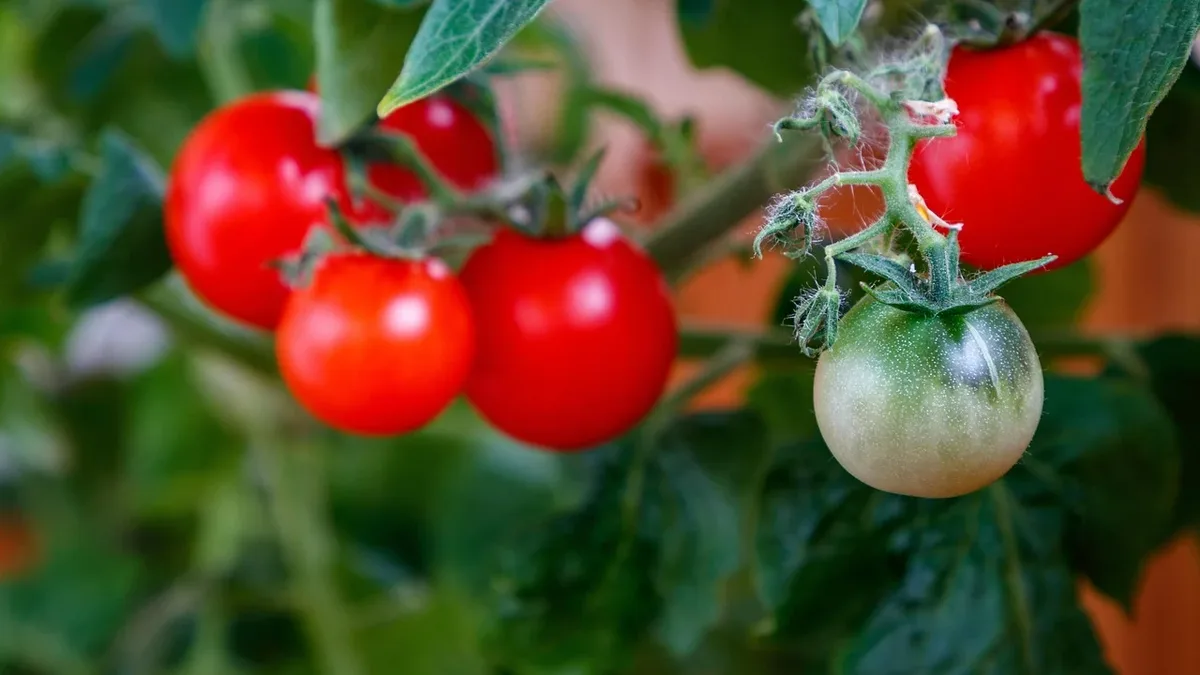
Filling a basket requires more than just owning one. The most effective method is to plan a kitchen garden by first deciding what you want to harvest. For a summer basket brimming with produce, the source recommends planting warm-season crops like tomatoes, peppers, squash, and beans in the spring. Fast-growing crops such as lettuce and radishes can be sown in succession every few weeks to ensure a continuous supply.
Herbs are described as a 'cheat code' for creating an abundant-looking harvest. Varieties like basil, parsley, and rosemary grow quickly, are versatile, and add sensory appeal with their fragrance. The source states that a generous handful of mixed herbs can transform a basic basket.
A Seasonal Harvest Framework
To achieve harvests beyond the peak of summer, the article outlines a simple seasonal planting plan. It suggests specific crops for each part of the growing year to maintain a supply of fresh produce.
The Key to Continuous Harvest
The critical technique for a garden that produces continuously is succession planting. This involves sowing small quantities of the same crop every two to three weeks. According to the source, this method creates a rolling harvest from spring through to the first frosts, ensuring a basket rarely looks empty. The real secret, it concludes, is not a larger garden but better timing and planning before planting.