Cultivating Cobnuts for a Home Harvest
A guide to growing cobnut trees for a personal nut crop, alongside a personal tour of a long-established October garden in Washington state.
This week's coverage turns from the practicalities of planting a nut tree to the personal pleasures of a mature autumn garden. First, we explore the cultivation of cobnuts, a traditional crop suited to many gardens. Then, we visit a Washington gardener's space as it transitions into October.
Growing Cobnut Trees
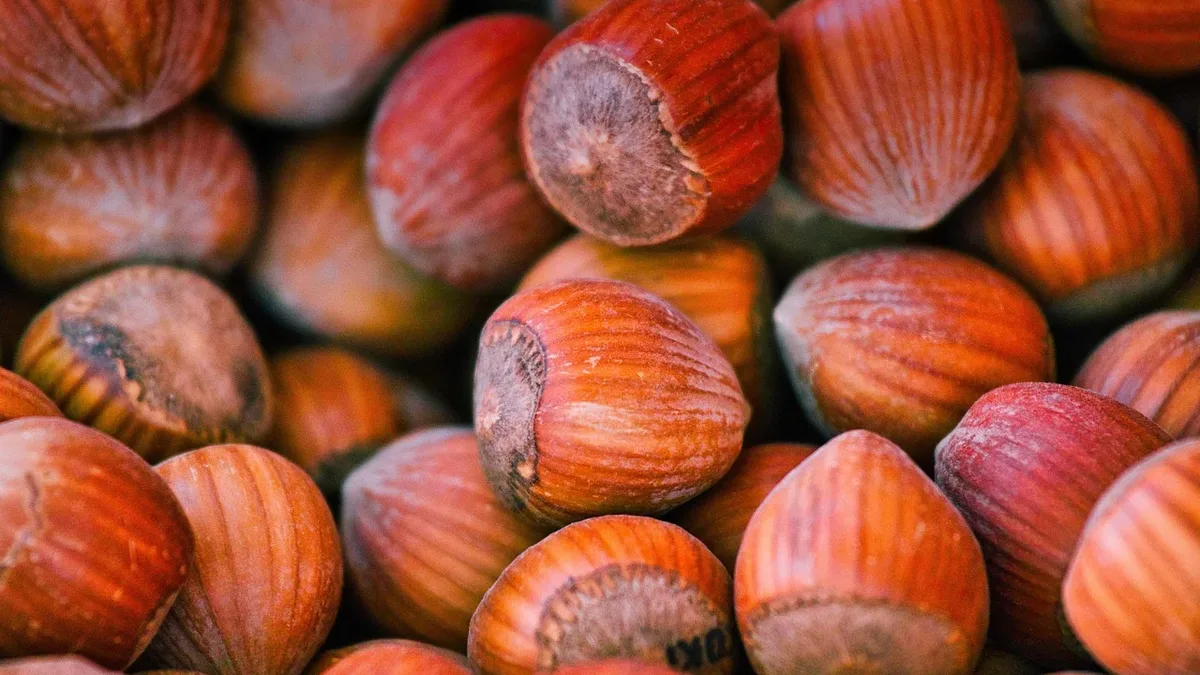
Cobnuts, the cultivated form of hazelnuts, are deciduous trees that can be planted from November through late winter while dormant, typically as one- to two-year-old specimens. They require a sunny, sheltered position with free-draining soil to protect spring catkins from frosts that can hinder pollination. These trees are monoecious, bearing separate male catkins and female flowers on the same plant, but some cultivars cannot self-pollinate and need a partner tree nearby, though wild hazel can often serve this purpose.
Successful cultivation involves specific pruning to improve the harvest. Gardeners should aim to create an open structure with around ten main branches growing outward. Winter pruning after catkins appear can aid pollen distribution, while a traditional summer technique called brutting-bending and partially breaking new side shoots-encourages heavier cropping. Nuts can be harvested green in August for a juicy, mild flavour or left until husks yellow in September for a more traditional nutty taste, best enjoyed after cracking, shelling, and light roasting.
A Pacific Northwest October Garden
Lila and her husband Dave have gardened for nearly three decades in Mill Creek, Washington, within USDA Hardiness Zone 8b. Their irregularly shaped plot features diverse conditions including shady fertile areas, sunny spots with hardpan, and sections with part sun and decent soil. The couple's different tastes shape the garden, with Lila favouring a wilder look exemplified by baby's tears ground cover rambling around a fountain, a plant Dave prefers to keep more contained.
October highlights in their garden include hardy fuchsias, which are still blooming in the warm autumn, and a collection of Japanese maples. One hardy fuchsia thrives despite insufficient sunlight, growing among hostas and a laceleaf Japanese maple under tree cover. The garden is designed to attract birds with shelter, water features, tall trees, and plantings, though they only maintain hummingbird feeders. Their long-standing partnership is reflected in the ongoing and affectionate negotiation over the garden's evolution.