37 Fast-Growing Plants for Garden Privacy
Gardeners' World recommends 37 trees, shrubs, and climbers to quickly create privacy screens, blocking views from neighbours and unsightly areas.
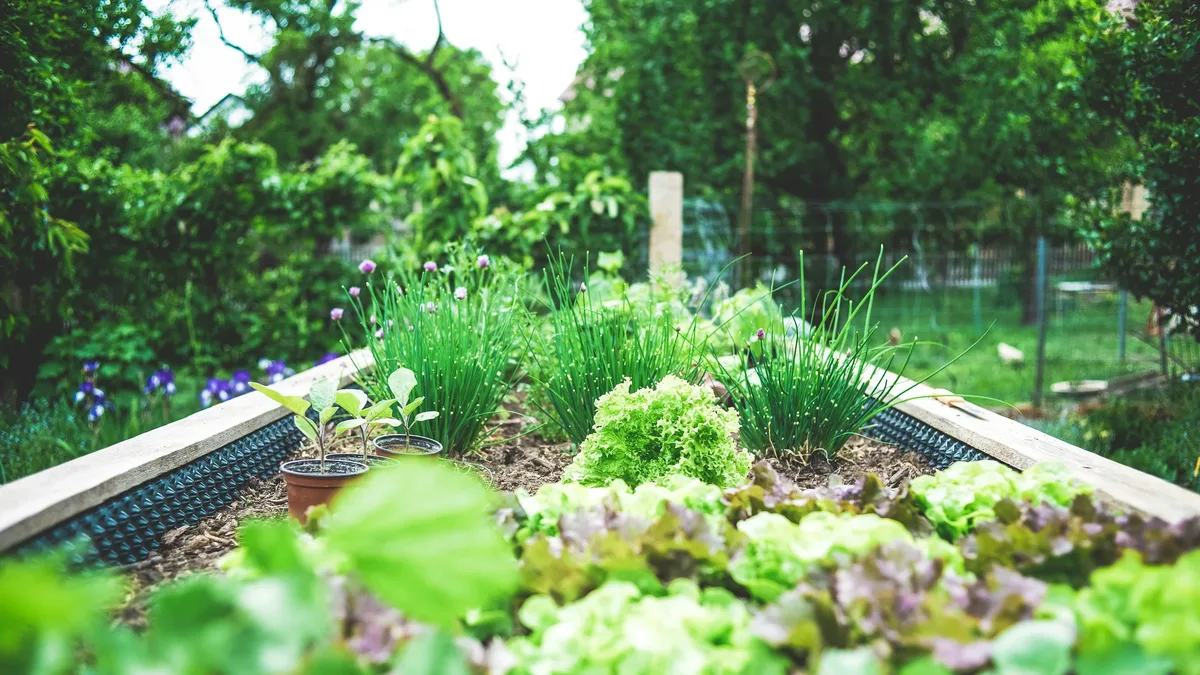
A list from Gardeners' World details 37 fast-growing plants that can create privacy in a garden. The selection includes trees, climbers, and shrubs designed to block views from neighbours or hide unsightly scenery.
Italian Cypress and Holly
Italian cypress is highlighted for vertical drama. Its tall, slender form can reach up to 45 meters and fits into small spaces. This evergreen provides year-round coverage. Holly offers dense, prickly foliage that forms an impenetrable barrier. It provides glossy leaves and red berries, and is valuable for wildlife.
Photinia, Holm Oak, and Cherry Laurel
Photinia 'Red Robin' is noted for its striking red young leaves and dense growth, which creates an effective screen. Holm oak is a strong evergreen with leathery leaves dense enough to block views; it can cope with salt-laden winds and pollution. The source warns it is harmful to pets if eaten. Cherry laurel is a fast-growing, popular choice for dense, evergreen screening. It should be clipped before berries develop to prevent invasive spread. The plant is harmful to humans and pets if eaten.
Japanese Privet to Tree Fern
Japanese privet creates a narrow visual barrier ideal for small spaces and bears white flowers. It is harmful if eaten. The strawberry tree is valued for privacy and ornamental appeal, featuring flowers and red fruits in autumn. The tree fern, with its arching fronds, is suggested for shady or damp corners to create seclusion.
Cotoneaster, Hornbeam, and Ornamental Pear
Cotoneaster frigidus ‘Cornubia’ is a semi-evergreen shrub good for informal screens, offering white flowers and red berries. Hornbeam is a native deciduous tree often used for hedges, providing a solid screen in spring and summer with foliage that often remains through winter. The ornamental pear 'Chanticleer' has an upright, pyramidal habit ideal for small gardens, offering white blossom and autumn colour. Its fruits are not for eating.
Silver Birch and Comparative Ratings
Silver birch is recommended for a light, airy screen that allows dappled sunlight. Its white bark provides year-round interest. The source provides privacy and beauty ratings for several plants. Below is a comparison of key figures for the first twelve plants listed.
| Plant | Type | Privacy Rating | Beauty Rating | Height x Spread (in 20 years where specified) |
|---|---|---|---|---|
| Italian cypress | Tree | 4/5 | 4/5 | 15m x 2.5m |
| Holly | Tree | 4/5 | 3/5 | 15m x 4-8m |
| Photinia 'Red Robin' | Tree/small shrub | 3/5 | 4/5 | 6m x 4m |
| Holm oak | Tree | 5/5 | 3/5 | 8m x 6m |
| Cherry laurel | Shrub | 4/5 | 2/5 | 6m x 5m |
| Japanese privet | Shrub/tree | 3/5 | 4/5 | 4m x 4m |
| Strawberry tree | Shrub/tree | 3/5 | 4/5 | 5m x 4m |
| Tree fern | Tree fern | 3/5 | 5/5 | 4m x 4m |
| Cotoneaster frigidus ‘Cornubia’ | Shrub/small tree | 3/5 | 4/5 | 6m x 4m |
| Hornbeam | Tree | 4/5 | 4/5 | 10m x 6m |
| Ornamental pear 'Chanticleer' | Tree | 3/5 | 4/5 | 5m x 3m |
| Silver birch | Tree | Not rated | Not rated | Not specified |
The article from Gardeners' World continues with 25 more plant suggestions for creating private garden spaces.