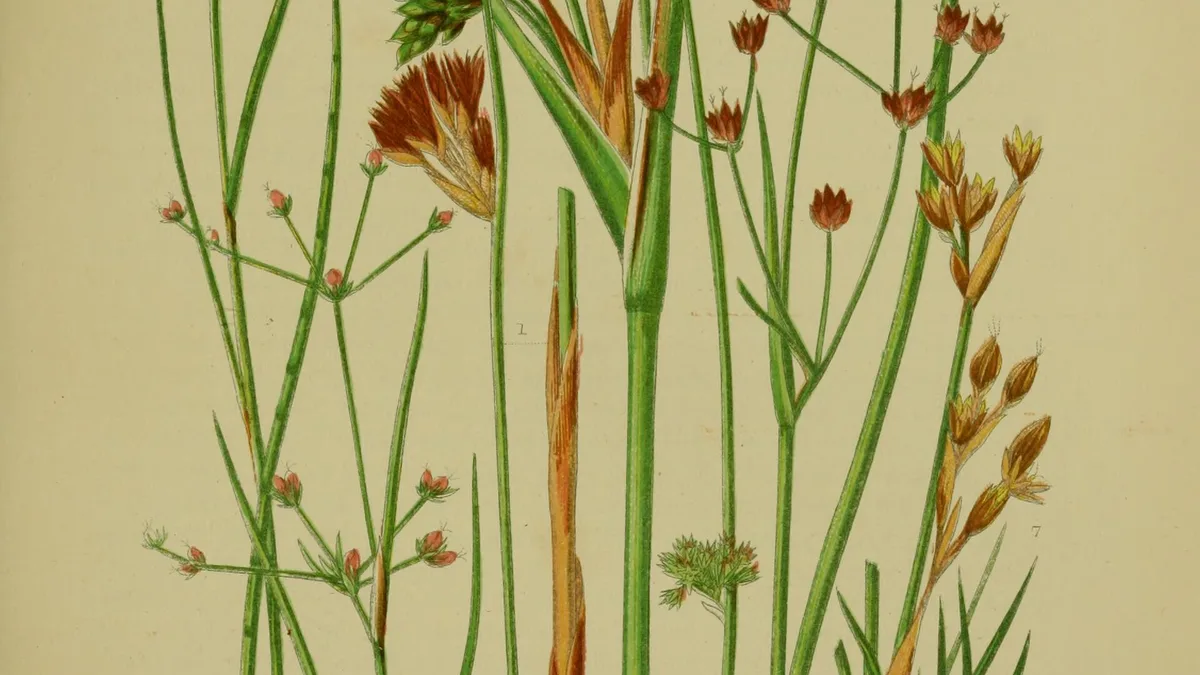
Grasses And Ferns
| Common name | Grasses And Ferns |
|---|---|
| Botanical group | Pteridophytes and Poaceae |
| Primary distinction | Vascular plants reproducing via spores (ferns) or seeds (grasses) |
| Typical position | Varies by species (full sun to deep shade) |
| Soil preference | Varies by species |
| Original use | Natural ground cover and habitat |
| First documented | Prehistoric |
Origin and history
Grasses and ferns are not a single cultivated plant but two distinct, ancient lineages of non-flowering plants with separate evolutionary histories. Grasses, belonging to the family Poaceae, are believed to have originated in the late Cretaceous period, with their diversification and dominance occurring during the Miocene epoch. Ferns, belonging to the division Pteridophyta, are significantly older, with their origins tracing back to the Devonian period over 360 million years ago. These plant groups evolved long before human cultivation and are found natively on every continent except Antarctica. Their documented history in human culture begins with their use in ancient building materials, crafts, and as a food source for grazing animals. The deliberate cultivation and breeding of ornamental varieties for gardens began in earnest during the 19th century, particularly in Europe and Asia, as interest in exotic plant collections grew.
What it was bred for
Ornamental grasses and ferns were not bred from a wild ancestor for a singular purpose like food crops, but were selected and hybridized for specific aesthetic and functional garden traits. For grasses, breeding has focused on creating cultivars with striking foliage color, such as blues, reds, and variegated patterns, as well as attractive, long-lasting seed heads and compact growth habits unsuitable for agriculture. Ferns have been selected and bred for features like unique frond architecture, improved hardiness in colder climates, and distinctive foliage textures ranging from delicate lace to leathery toughness. Both groups have been developed for low maintenance, drought tolerance once established, and their ability to thrive in challenging garden conditions like deep shade or poor soil. The breeding of non-invasive cultivars has also become a priority to prevent certain aggressive species from escaping cultivation. Ultimately, they were bred to provide structure, movement, and year-round interest in landscape design with minimal inputs.
Life cycle
Grasses exhibit life cycles categorized as annual, perennial, or biennial, with most ornamental varieties being perennial. Perennial grasses typically emerge from roots or crowns in spring, grow vegetatively through summer, flower and set seed in late summer or autumn, and then enter dormancy with foliage often persisting through winter. Ferns are exclusively perennial plants with a life cycle that includes two distinct phases: the large, familiar sporophyte generation that produces spores, and a tiny, independent gametophyte generation that produces sex cells. In gardens, ferns emerge in spring from underground rhizomes, unfurling new fronds in a process called circinate vernation, reach maturity by mid-summer, release spores from structures on the undersides of fronds, and then die back completely with the first hard frost. Both grasses and ferns propagate through division of their root structures, allowing gardeners to expand plantings without seeds. Their life cycles are heavily influenced by seasonal temperature and moisture availability, with many species requiring a cold period to trigger new growth.
Character and appearance
The character of grasses is defined by their linear, blade-like leaves, jointed stems, and often airy, feathery flower panicles that provide movement and sound in the garden. Their appearance ranges from low, tufted mounds to towering, bamboo-like clumps, with foliage colors encompassing every shade of green, plus blues, reds, purples, and stripes. Ferns are characterized by their divided, often lace-like fronds which emerge tightly coiled, and they lack flowers and seeds entirely, reproducing via spores. Their appearance offers a vast array of textures, from the glossy, leathery fronds of the Hart's tongue fern to the finely dissected, cloud-like foliage of the Maidenhair fern. Both groups provide a contrasting form to broad-leaved flowering plants, creating a softening effect and a sense of naturalistic planting. The winter presence of grasses, with their persistent buff-colored stems and seed heads, contrasts sharply with the complete seasonal disappearance of most ferns, leaving only dormant rhizomes.
Pros and cons
A significant pro of ornamental grasses is their low maintenance requirement once established; they often need little more than an annual cutback, are generally pest-free, and many are drought tolerant. Ferns excel in providing lush, textured foliage in full to deep shade where few other plants thrive, and they rarely require staking or deadheading. A major con for grasses is their potential for aggressive spreading, either by rhizomes or self-seeding, which can overwhelm a garden and require vigilant control; some species are even listed as invasive. The primary con for ferns is their specific and often non-negotiable need for consistent moisture and humidity; many will crisp and fail in dry soil or sunny, exposed locations. Gardeners often regret choosing large, fast-growing grass varieties for small spaces or placing delicate ferns in windy, dry sites. A common mistake is cutting back grasses too early in fall, removing winter interest, or failing to provide the ample organic matter and moisture most ferns demand.
Who it suits
Ornamental grasses suit gardeners seeking architectural plants that provide year-round structure, particularly in sunny, open borders or prairie-style plantings. They are ideal for those wanting low-water, sustainable landscapes and gardeners who appreciate the dynamic elements of movement and sound from rustling seed heads. Ferns suit gardeners with shaded, moist areas under trees or on the north side of structures, where they can create a cool, woodland ambiance. They are perfect for detail-oriented planters who enjoy the subtle textures and varied forms of foliage, as well as for those cultivating bog gardens or stream-side plantings. Both groups suit naturalistic and modern garden designers who use massed plantings for effect, and patient gardeners, as many take two to three years to establish and reach their full size. They are less suited to formal, high-input gardens requiring constant color from flowers or for gardeners unwilling to manage the spreading habit of certain vigorous types.
Latest Grasses And Ferns news
Latest reporting
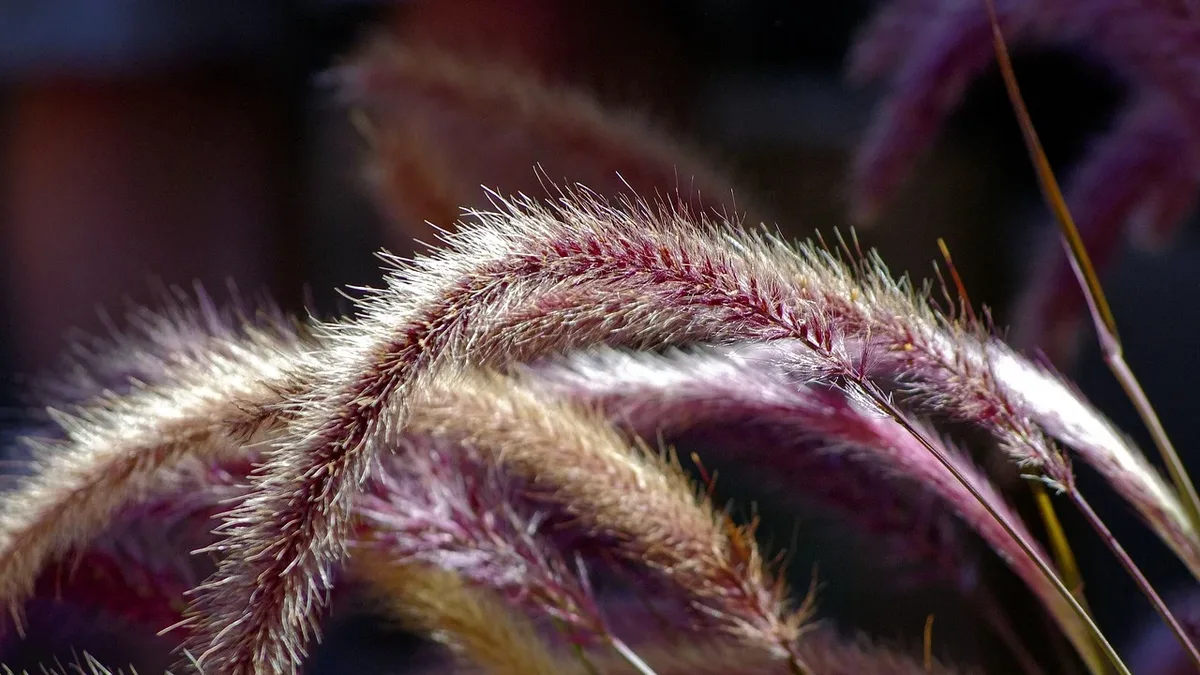
Best Ornamental Grasses for Fall Color and Winter Interest
Native ornamental grasses like Little Bluestem and Switchgrass deliver vibrant fall foliage and persistent seedheads, extending garden interest into...
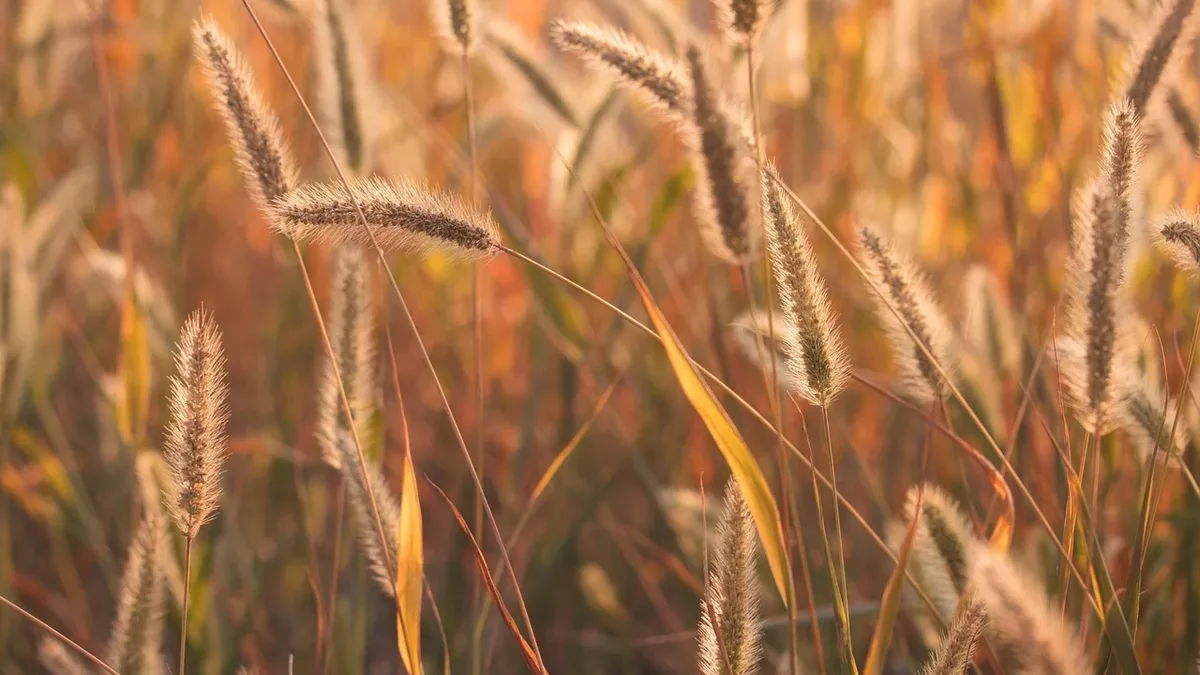
Tom DeWitte's Dutch Prairie Garden
Fine Gardening's tour of the Netherlands showcases Tom DeWitte's naturalistic garden, featuring late-season perennials, ornamental grasses, and
Five Prairie Plants to Revitalize Tired Fall Gardens
Gardening Know How recommends five low-maintenance, drought-tolerant prairie perennials and grasses that provide vibrant color and pollinator support...
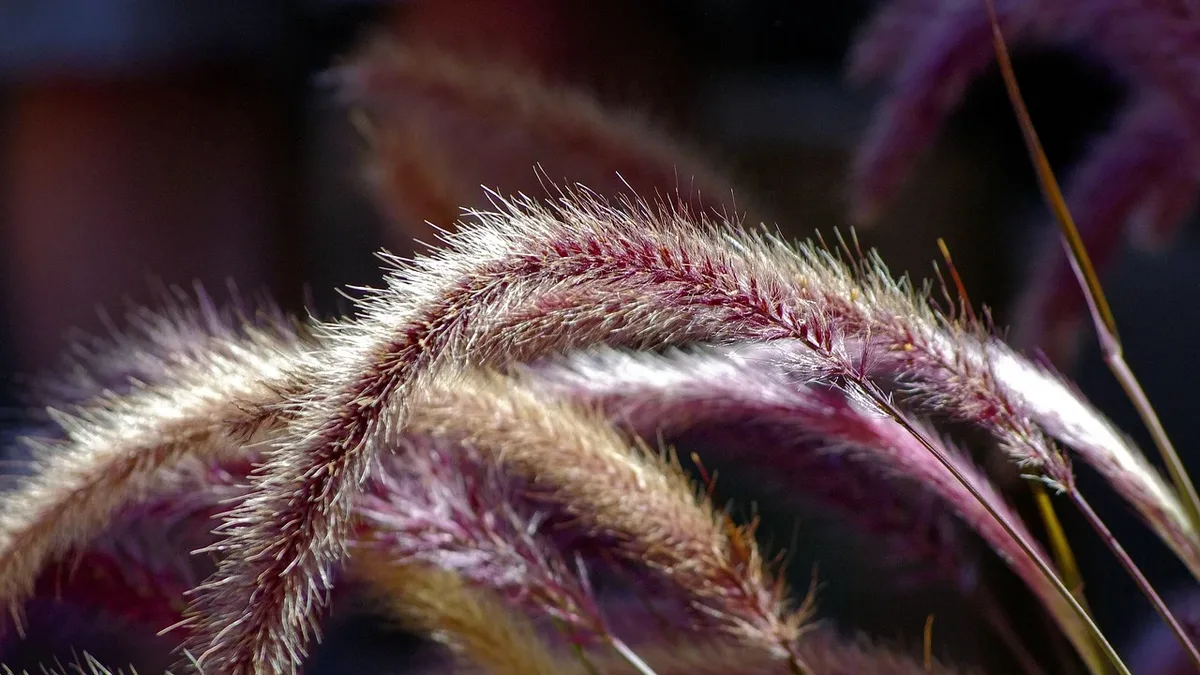
Ornamental Grasses
Ornamental grasses can add a professional polish to a backyard, solving various design challenges such as privacy, softening hard landscaping, and...
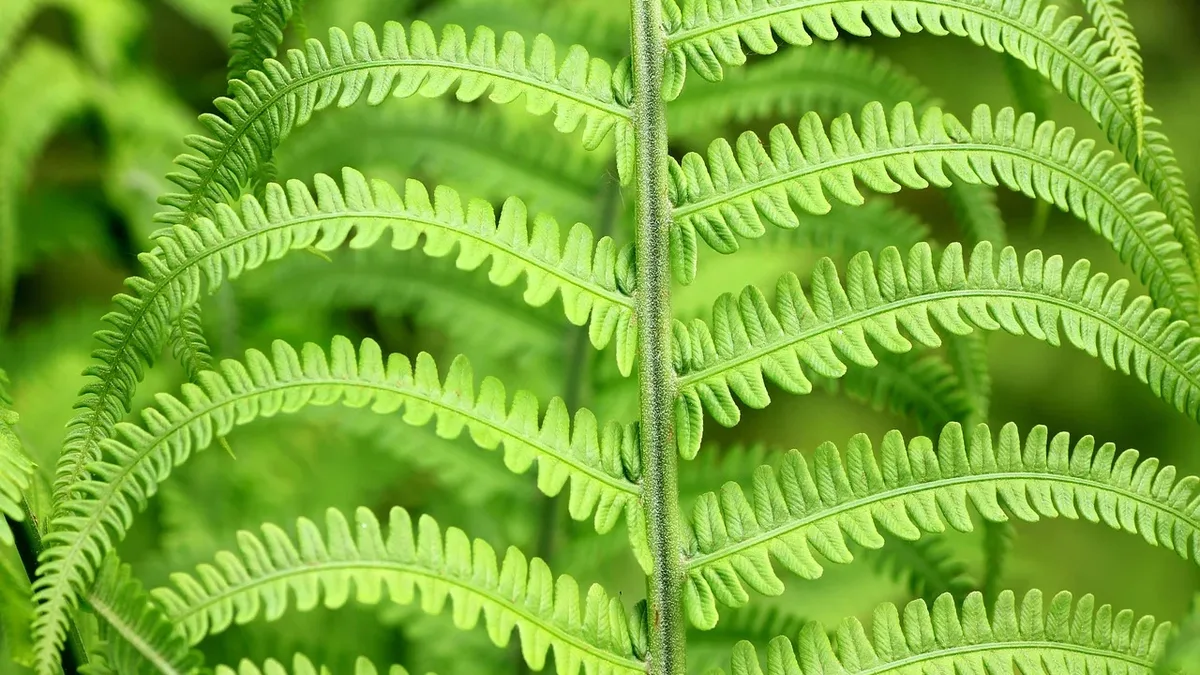
Keep Ferns Lush in August: 5 Simple Care Tips
Gardening Know How explains how to keep ferns green in August with watering, misting, shade, mulch and feeding. The guide also highlights expert Teo...
Royal Botanic Garden Sydney
The Royal Botanic Garden Sydney is a 74-acre oasis in the heart of the city, featuring over 27,000 plants and an impressive number of rarities. A...