Best Ornamental Grasses for Fall Color and Winter Interest
Native ornamental grasses like Little Bluestem and Switchgrass deliver vibrant fall foliage and persistent seedheads, extending garden interest into winter
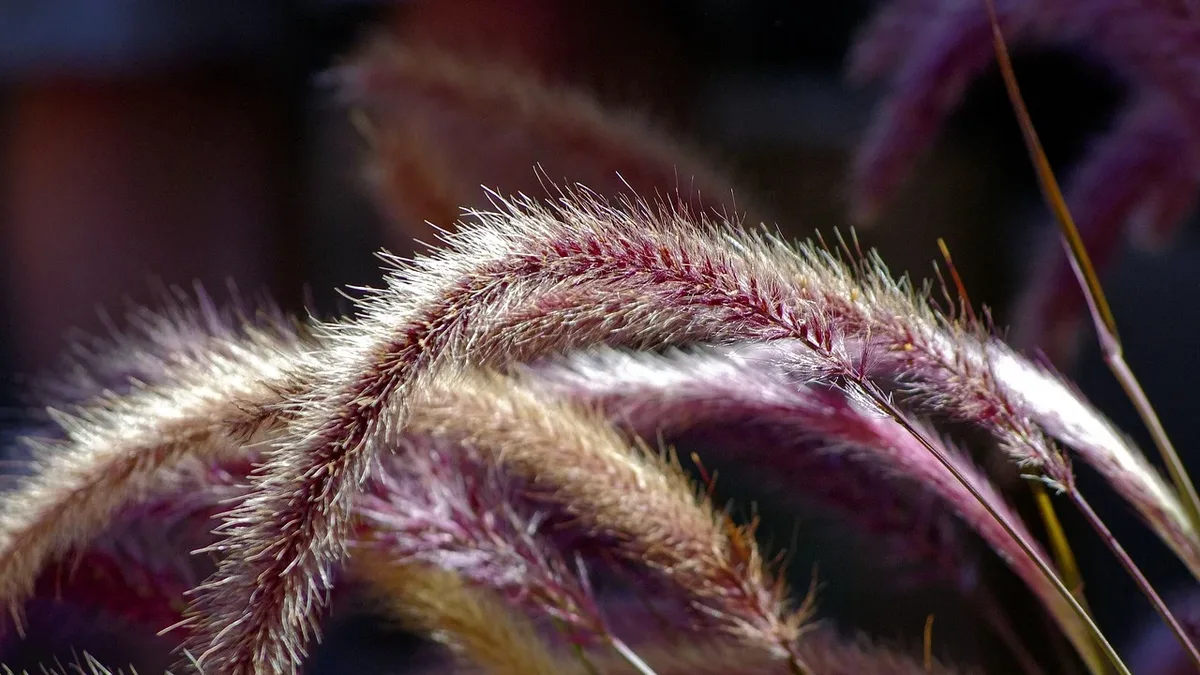
Several native grasses reach their peak in fall with vibrant foliage and distinctive seedheads. These plants offer rainbows of color, feathery flowers, and unique textures just as other perennials begin to fade. Their striking display often persists deep into winter, providing structure and movement in the dormant garden. For gardeners seeking to extend seasonal interest, these low-maintenance natives are invaluable.
Little Bluestem is a standout. This native grass turns festive shades of red, copper, mauve, and burgundy in fall. It produces purplish seed heads that add to the display. These striking colors persist into winter in many regions. The plant requires full sun and well-drained soil. Once established, it has minimal needs and good drought tolerance. It grows in USDA hardiness zones 3 through 9.
Pink Muhly Grass creates a soft, feathery spectacle. Its delicate flowers bloom in late summer and fall. The grass grows in neat clumps two to three feet tall and wide. It is hardy in zones 6 through 9 and is native to the eastern and southeastern United States. Once established, it tolerates poor soil, drought, heat, humidity, and salt.
Switchgrass is a tall, dramatic choice. It can reach up to 6 feet in height. Its foliage changes color in fall and is topped by airy, feathery seedheads. The plant adapts to a variety of soils and is drought tolerant once established. It grows best in zones 3 through 9 and full sun. Popular varieties offer different autumn effects.
Prairie Dropseed offers fine texture and a fountain-like form. It grows in clumps with arching stems. In fall, its foliage shifts to shades of yellow-orange and bronze. It forms delicate seedheads at the same time. This grass prefers full sun and well-drained soil and grows in zones 3 through 9.
Key varieties for autumn impact
Northern Sea Oats is prized for its movement and shade tolerance. It forms flattened, oat-like seed heads that dangle and rustle in the breeze. In fall, its stems and seedheads change to shades of bronze, gold, and purple. Unlike many native grasses, it can grow in partial or deeper shade. It prefers moist soil and is suitable for rain gardens, natural areas, and woodland gardens. It grows in zones 5 through 9, and possibly zones 3 and 4 with winter protection.
Japanese Forest Grass, while non-native to the region, is a superb choice for fall color in shaded spots. It is low growing with wide, cascading blades. In autumn, it turns copper, gold, bronze, or purplish-red depending on the variety. The 'Naomi' variety, for instance, turns a distinctive purplish-red. It grows in zones 4 through 9 and dies back in winter.
Growing conditions and care
These grasses thrive in specific zones and light conditions. Most prefer sun and well-drained soil once established. Their care is straightforward. Ornamental grasses provide year-round interest but are especially attractive in fall. Many change color and develop their signature seedheads during this season. To enjoy the full display, they should not be cut back at the end of summer.
Mary Ellen Ellis, who has been gardening for over 20 years, notes her specialties are "flowers, native plants, and herbs." The ecological value of native grasses adds to their appeal for many gardeners. They support local wildlife and are adapted to regional climates. Leave grasses standing through winter to enjoy their structure and seedheads, then cut them back in early spring before new growth emerges.