RHS launches Railway Stations in Bloom award
The Royal Horticultural Society has launched a new award for volunteer-maintained railway station gardens, with Cardross in Scotland named the first
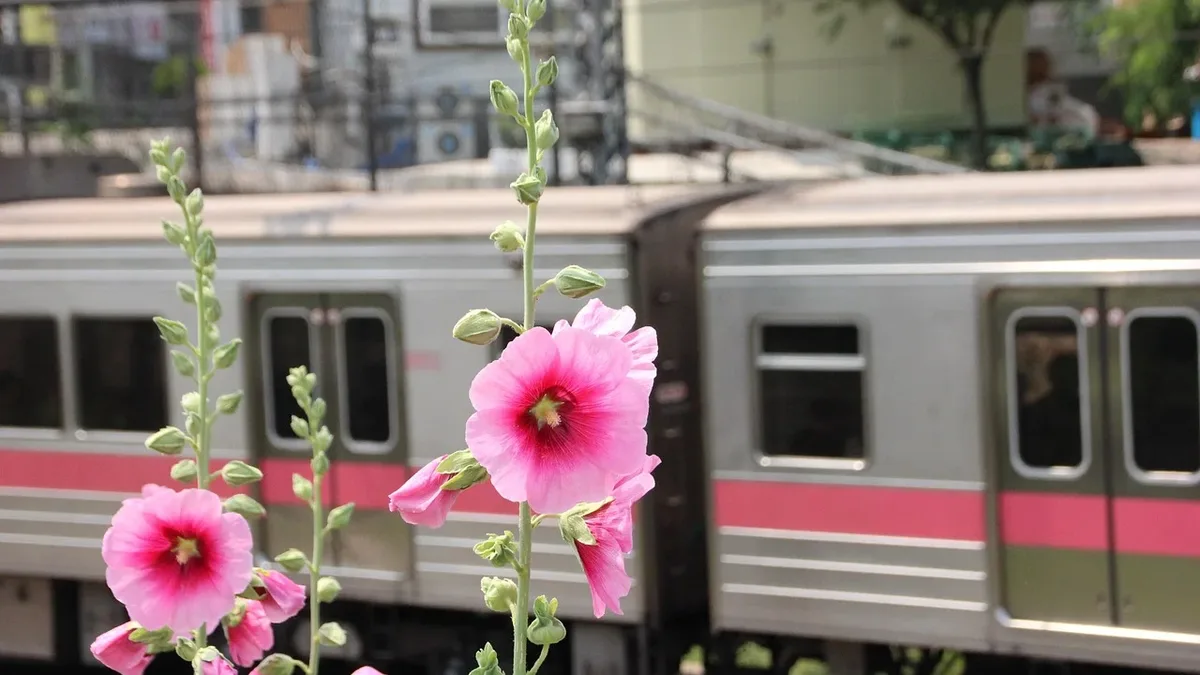
The Royal Horticultural Society has launched a new award to honour the volunteers who plant and maintain gardens at Britain's railway stations. Five stations were shortlisted for the inaugural RHS Railway Stations in Bloom competition, with the Cardross Community Organic Garden in Scotland named the winner this week.
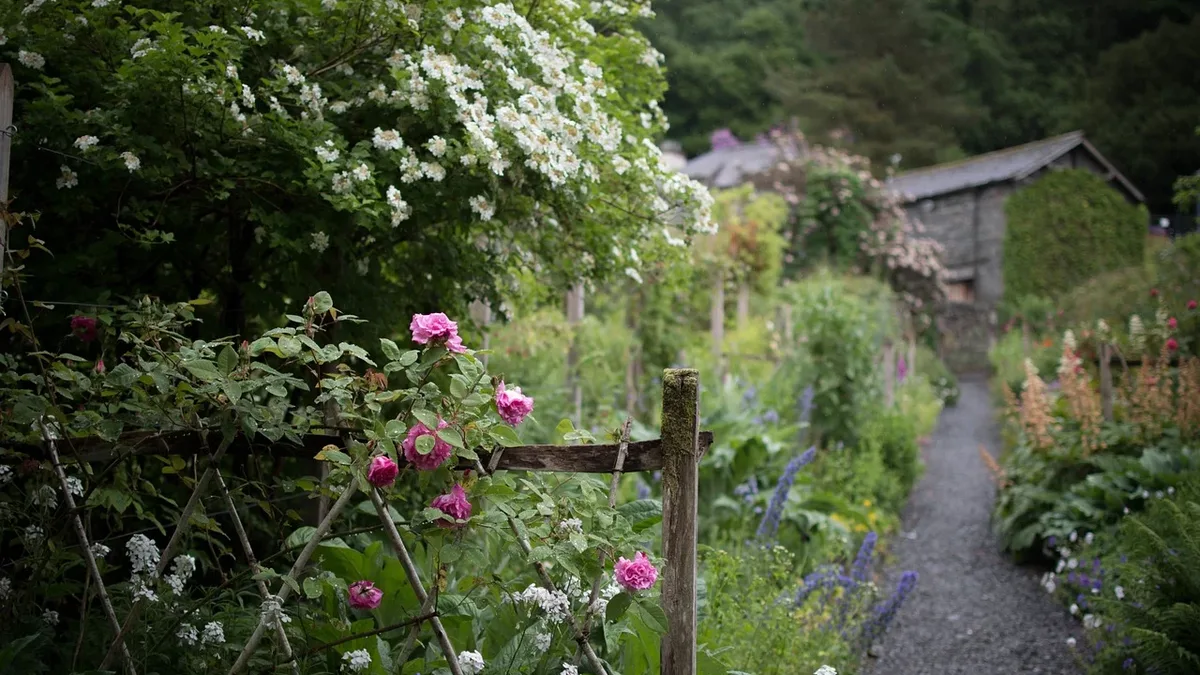
Judges for the charity's new award assessed stations for their beauty, how well they welcome wildlife, and their ability to withstand changing climate conditions. The RHS stated that the Cardross group impressed them by actively including diverse community members, from school children and Brownies to other volunteering and gardening groups.
Celebrated station gardens
Volunteers at the shortlisted stations have transformed neglected areas into thriving green spaces. In Alresford, Essex, gardeners cut through asphalt to create flowerbeds. They planted a 'dry garden' inspired by the late horticultural pioneer Beth Chatto, using drought-resistant plants to cope with the hot, dry summers.
Lead volunteer Frank Belgrave said the work has transformed the village centre. He noted that the station was described as rundown a decade ago but now rivals displays at the Chelsea Flower Show. The switch to a dry garden significantly reduced their watering workload.
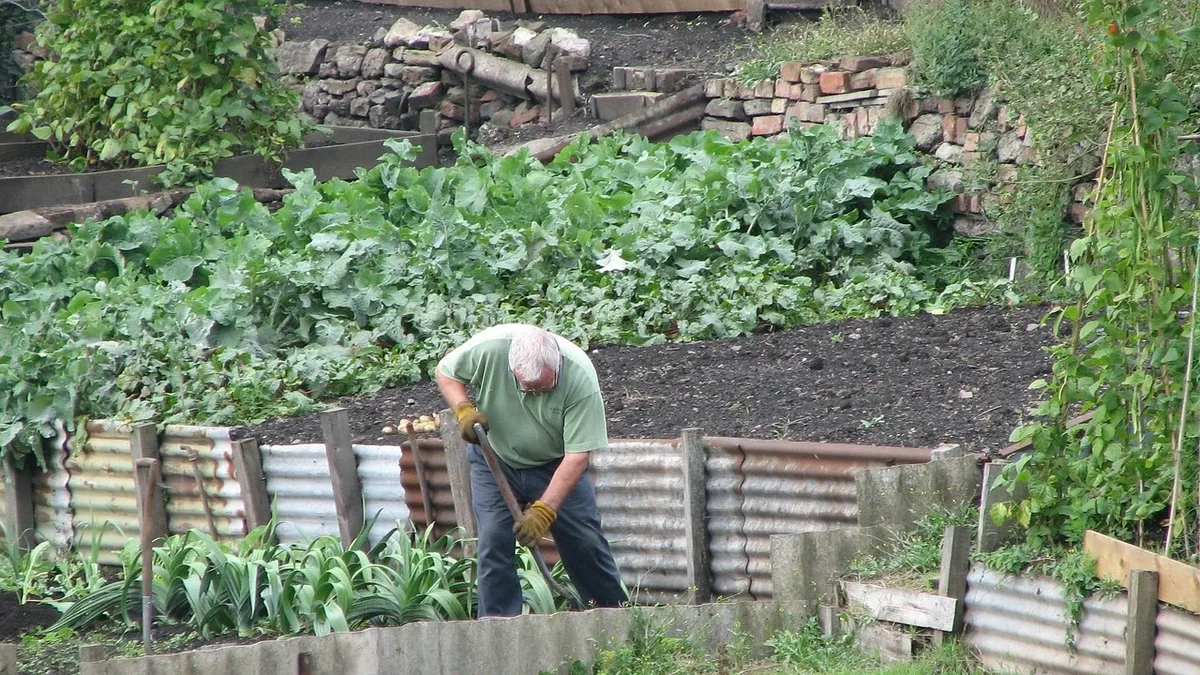
At the windswept Cardross station on Scotland's west coast, commuters find fruit trees and a vegetable patch. Group head Jane Connolly said every possible part of the station has been changed since March 2022. The volunteers use hardy shrubs and windproofing to protect plants from harsh winters, avoiding summer bedding plants that do not thrive there.
Wildlife and community benefits
The gardening efforts have brought significant wildlife benefits. Frank Belgrave reported seeing incredible amounts of wildlife at Alresford station, including honeybees, solitary bees, butterflies, hedgehogs, and slowworms.
Other shortlisted stations also focus on supporting pollinators. At Wylde Green in Birmingham, volunteers cleared overgrown areas and planted pollinator-friendly plants to create a 'bee corridor'. They carry out an annual butterfly count and have seen numbers increasing.
Keynsham station in Somerset features a remarkable array of succulents chosen for their ability to withstand hot summers. In Maghull, Merseyside, the ticket office window boxes are full of pretty flowers and volunteers have planted a woodland area.
A social and rewarding endeavour
Volunteers consistently describe the work as highly social and rewarding. Frank Belgrave said lots of people stop to chat about plants, providing a social outlet. He hopes to secure funding for a community hub and coffee shop in a previously neglected area that was once a rubbish dump.
In Cardross, the gardeners have become fast friends. Jane Connolly said they garden together with lots of laughing and joking, and now socialise outside of their volunteer work. She noted that people visit their station specifically to see the gardens, and that passersby frequently express gratitude for their efforts.
Belgrave hopes the example set by these stations will encourage more communities to get involved. He pointed out that many stations are not yet part of such greening schemes and said it would be good to see more stations planted up.