Accessible Gardening Ideas for Easier Growing
Gardening Know How outlines seven practical ideas to make gardens more accessible, focusing on raised bed height, path surfaces, vertical growing, and
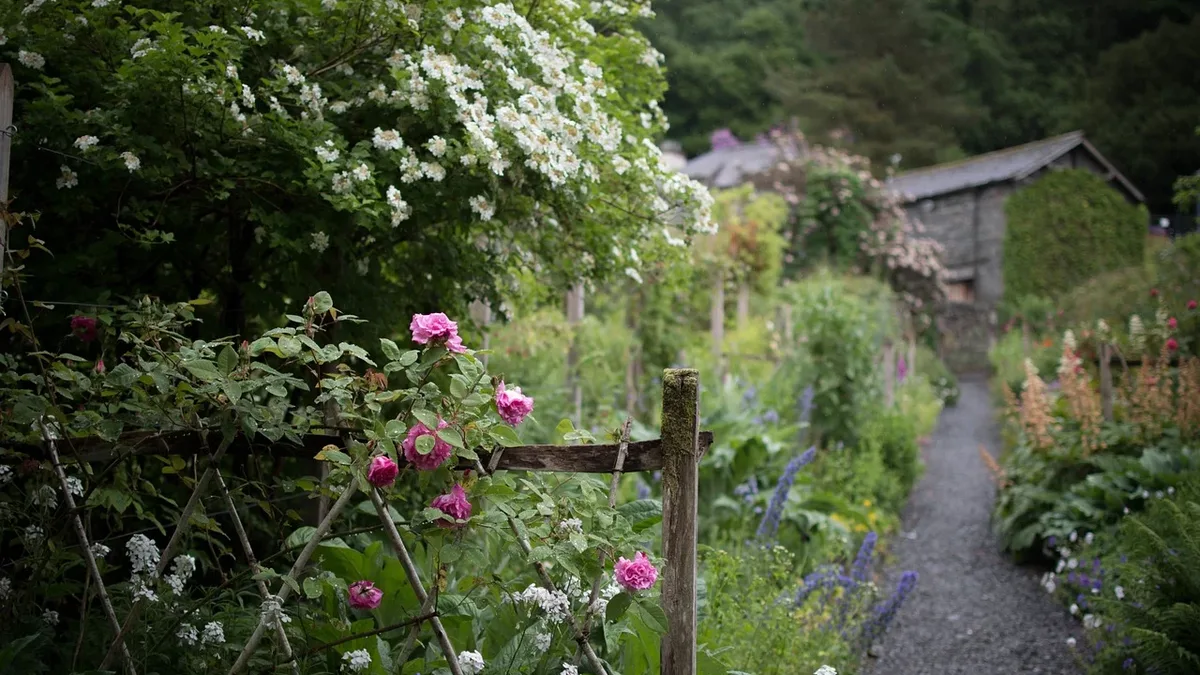
Implementing accessible gardening principles makes the hobby easier for gardeners of all ages and abilities. The ideas focus on adjusting height, reach, and effort to accommodate physical changes, from a sore back to the use of a wheelchair.
Build Tall Raised Beds
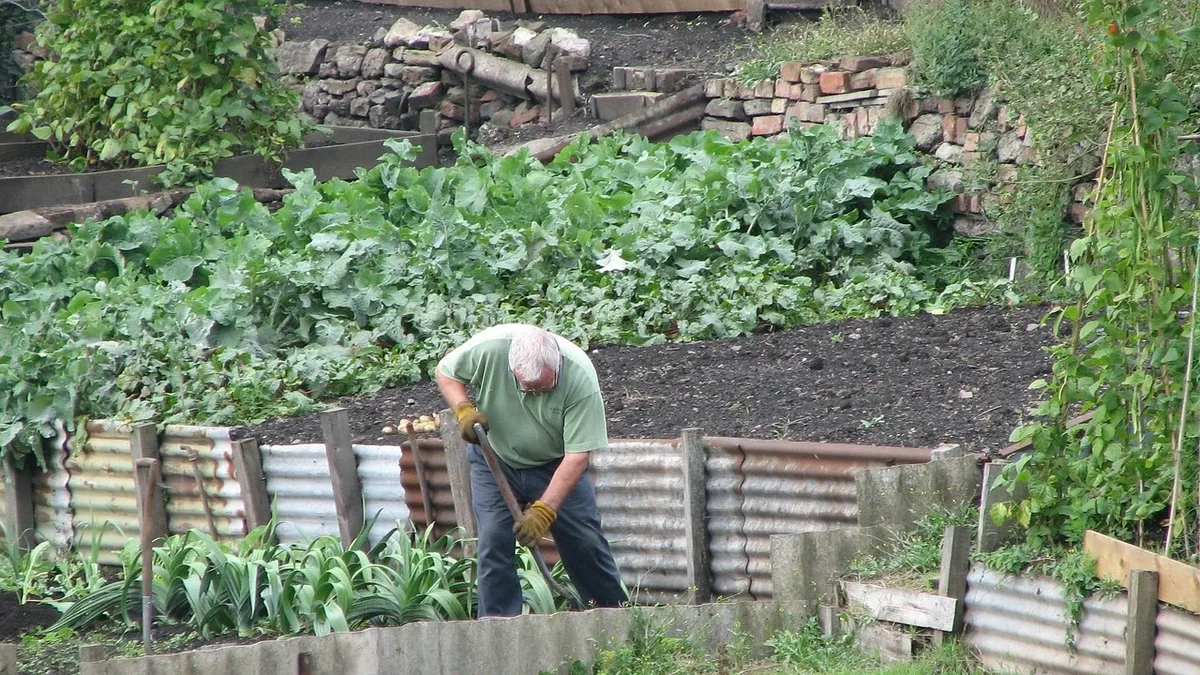
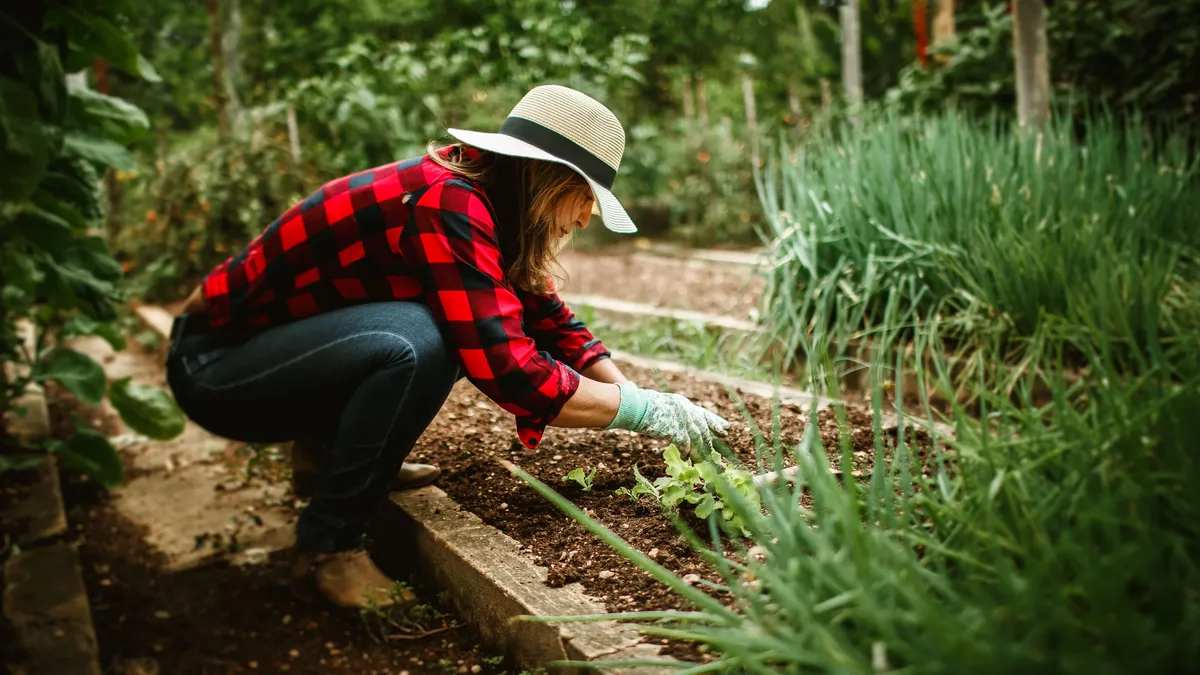
Standard raised beds of one to 1.5 feet are often too low for comfortable work. Beds built at 28 to 32 inches place the soil at desk level, reducing back strain. For accessibility, the depth of the bed is critical. A gardener in a wheelchair notes a comfortable reach of about 24 inches, so a bed accessible from only one side should not exceed that depth. A four-foot-wide bed is functional if it can be approached from both sides.
Some retailers, like Home Depot, stock extra-tall metal raised bed kits. Adding a wide cap board to a wooden bed also creates a useful edge for sitting while gardening.
Create Wide, Sturdy Paths
Path surface and width are foundational for accessibility. Loose materials like bark mulch are difficult for wheelchairs and wheelbarrows. Compacted decomposed granite or tightly set pavers provide a stable, rollable surface.
A path should be at least 36 inches wide, with 48 inches being ideal for allowing someone to walk alongside. Any dead-end should feature a five-foot turning circle to avoid difficult backward maneuvers.
Grow Up, Not Out
Vertical gardening brings the harvest to a comfortable height. Using trellises for crops like pole beans and cucumbers lifts picking out of the dirt. An arch over a path serves the same function and can provide shade. Wall pockets on a fence are excellent for growing herbs and salad greens.
This approach eliminates the need to bend down or get up from the ground, a challenge that can affect any gardener.
Use Ergonomic Tools and Systems
Adapting tools and routines reduces physical strain. Grip strength often diminishes early, making ergonomic tools valuable. Ratchet pruners cut in stages instead of requiring one hard squeeze. Telescoping handles extend reach, and tools with D-grips or padded handles are easier to hold. Brightly colored tools are also easier to find in the garden.
Watering can be made easier by addressing the weight of water. A full two-gallon watering can weighs nearly 17 pounds. Installing drip irrigation with a timer or using quick-connect hose fittings minimizes lifting and twisting.
Plan for Rest and Mobility
Incorporating rest areas ensures tasks can be completed comfortably. A bench or wide bed edge every 20 to 30 feet along main routes provides necessary breaks. Having a shaded rest spot is particularly useful.
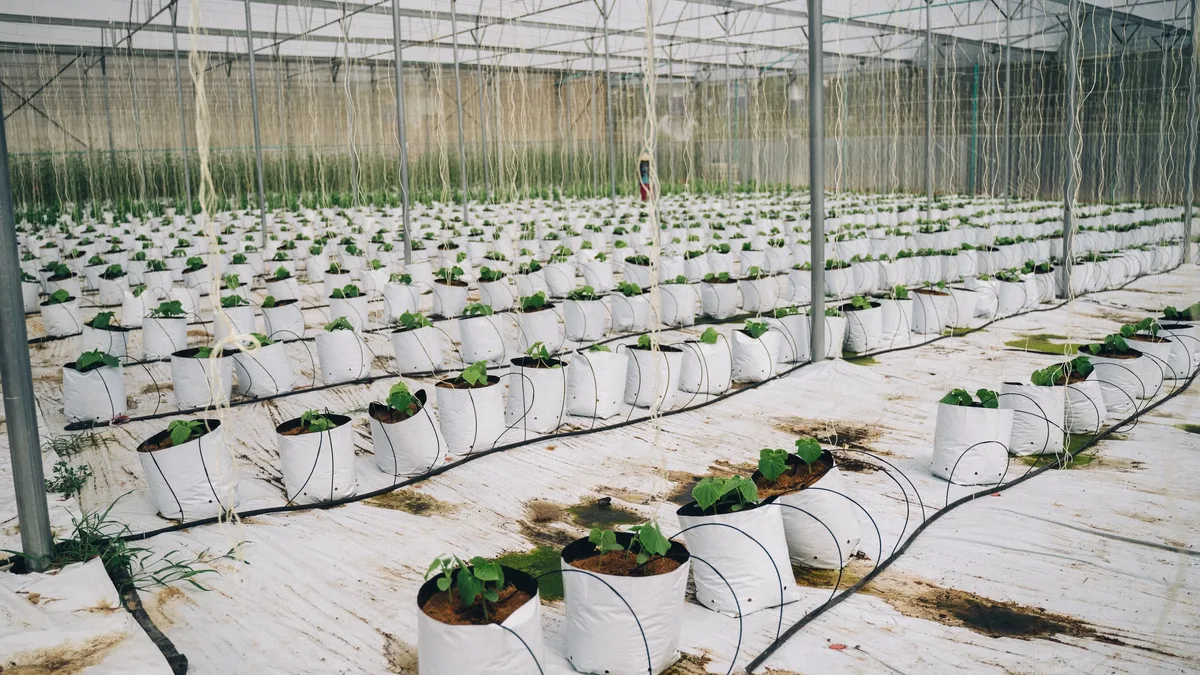
For heavy planters, rolling plant caddies can move pots weighing over 80 pounds. Lighter alternatives to terracotta, like fabric grow bags or resin pots, also reduce strain and risk.
The article, written by Tyler for Gardening Know How, draws on his personal experience adapting to gardening after spinal injuries and brain surgery. He emphasizes that thoughtful design allows gardening to continue through physical recovery and changing abilities.