Five Targeted Weeding Strategies for Gardeners
Fine Gardening outlines five effective weeding strategies based on plant biology, covering rhizomes, super-seeders, runners, taproots, and shade-tolerant
Effective weed management requires understanding how different species survive. According to a report from Fine Gardening, gardeners should adopt targeted approaches instead of endless pulling or blanket herbicide use. This leads to less effort, fewer chemicals, and better long-term results.
Rhizomes: Remove Roving Underground Roots
Some weeds spread via horizontal underground stems called rhizomes. These can branch and send up new plants far from the parent. Breaking them up by tilling can make the problem worse, as each fragment can become a new plant.
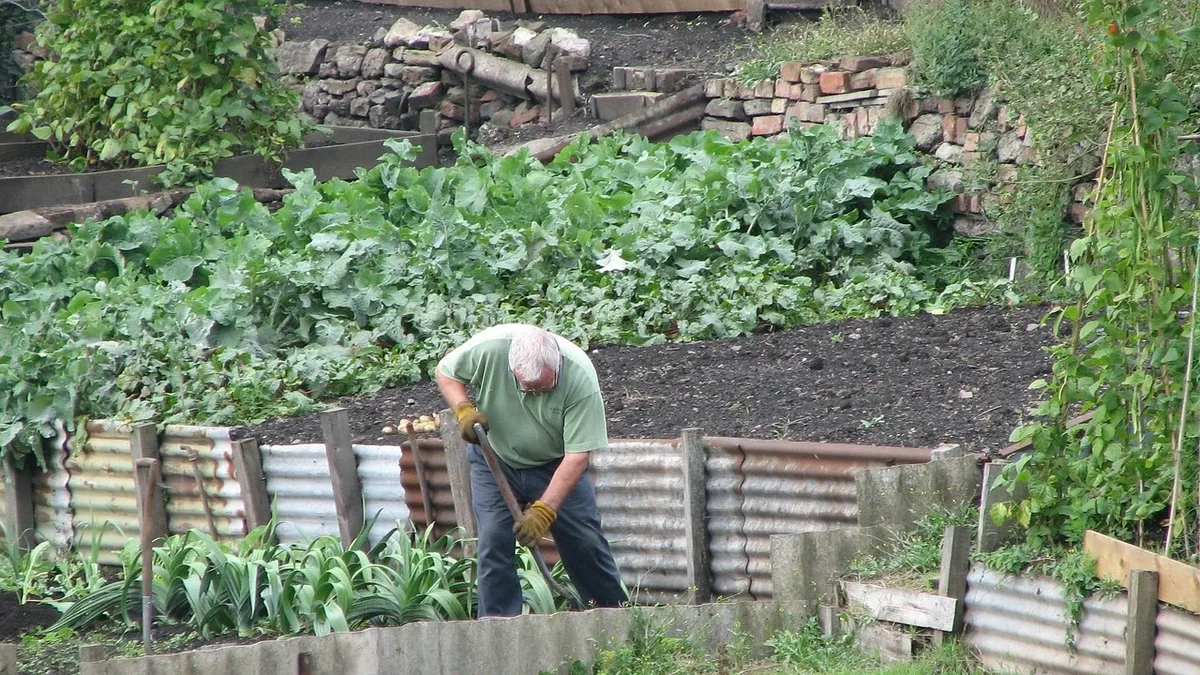
The recommended approach is to carefully lift and remove rhizomes using a garden fork or hand cultivator. Frequently cutting back top growth can exhaust the plant's underground reserves, though this may take multiple seasons. Smothering the area with heavy mulch or a tarp after removal can suppress regrowth. For highly invasive species like Japanese knotweed, an integrated approach involving repeated cutting and carefully timed herbicide application is often necessary.
Common rhizomatous weeds include:
Super-Seeders: Suppress Self-Sowing
Annual weeds often produce thousands of seeds per plant, with some seeds remaining viable in the soil for decades. The key is to prevent seed set. If you cannot remove all weeds, at least cut off the flowers before they mature.
Shading the soil with mulch, cover crops, or dense plantings inhibits germination. Eliminating young seedlings with flame weeding or shallow hoeing is effective. Avoid deep soil disturbance, which can expose buried seeds and trigger new germination. Consistent management over several seasons will deplete the soil seed bank and reduce weed populations.
Common super-seeding offenders are pigweed, lamb's quarters, chickweed, and ragweed.
Runners: Stop Aboveground Travelers
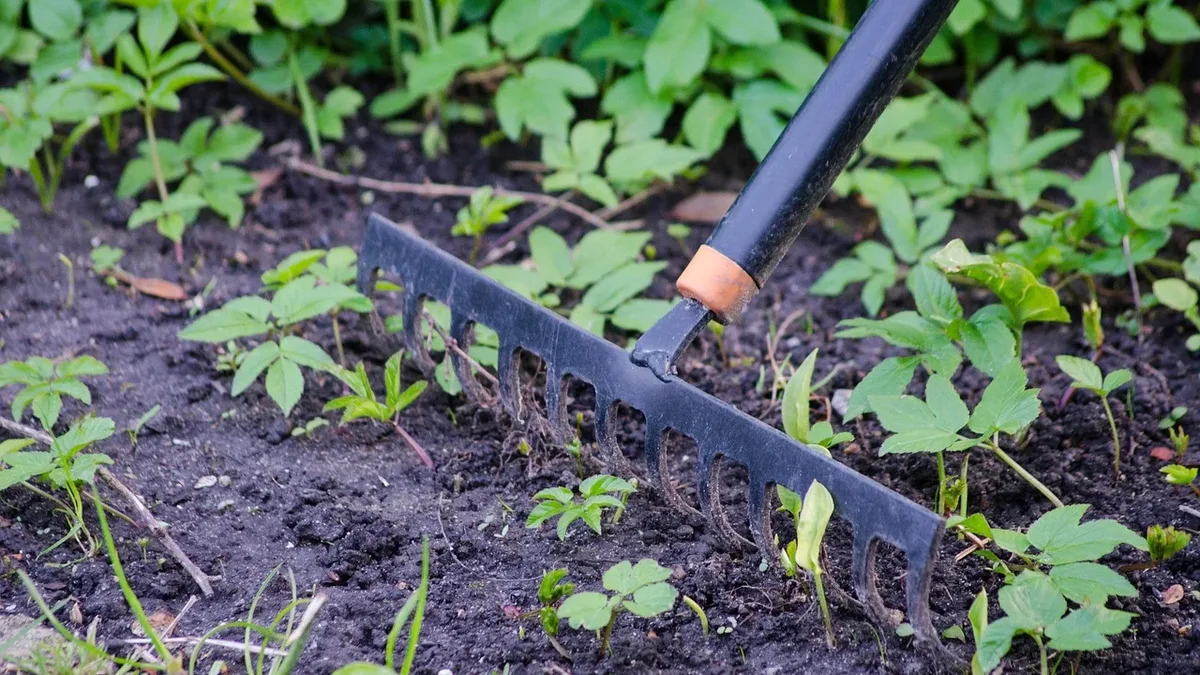
Weeds like creeping Charlie spread via aboveground stems called stolons, which root at nodes to create new plants. Hand-pulling is relatively easy for these types. For larger patches, a garden rake can gather masses of roots and stems.
Prevention is key after removal. Establishing denser plantings, mowing at the proper height, and overseeding can reduce space for invasion. Edging beds and using mulch can suppress establishment in ornamental areas. For hazardous plants like poison ivy, herbicide may be necessary. The source advises following all safety instructions and applying no more than needed.
Taproots: Dig Deep for Removal
Weeds with thick taproots, such as dandelions, store energy to fuel regrowth. Complete root removal is the most effective strategy. This is easiest when the soil is moist.
Using a specialized weeder or a drain spade is more effective than hand-pulling alone. For severe infestations, repeated defoliation over the growing season will empty the plants' reserves. If using herbicide, targeted post-emergent applications are most effective in early to mid-fall when plants are storing energy. Mulching and maintaining dense plantings prevent new seedlings.
Shade-Tolerant: Don't Let Them Slip By
For weeds that thrive in low light, restoring ecological competition is key. Fill empty spaces with dense layers of ground covers, perennials, trees, and shrubs. Control small infestations with early-season hand-pulling before plants set seed.
Monitor regularly for regrowth. Species like garlic mustard may require years of pulling and germination suppression. For persistent woody invaders like English ivy, a multipronged approach of cutting vines and digging out roots is necessary. Minimizing soil disturbance and maintaining established plantings with mulch will suppress weed seed germination in shady areas.
No matter the weed type, prevention is the best tool. Building healthy soil and a resilient landscape makes it tough for weeds to establish. Catching problems early is key. The goal is long-term balance, giving your favorite plants the upper hand to compete. The report also notes that for aquatic and wetland weeds like common reed or purple loosestrife, professional assistance is recommended due to sensitive ecosystems and legal regulations.