Vaseline Stops Houseplant Pests This Fall
Gardening Know How recommends using petroleum jelly as a barrier to stop pests when moving houseplants indoors for fall.
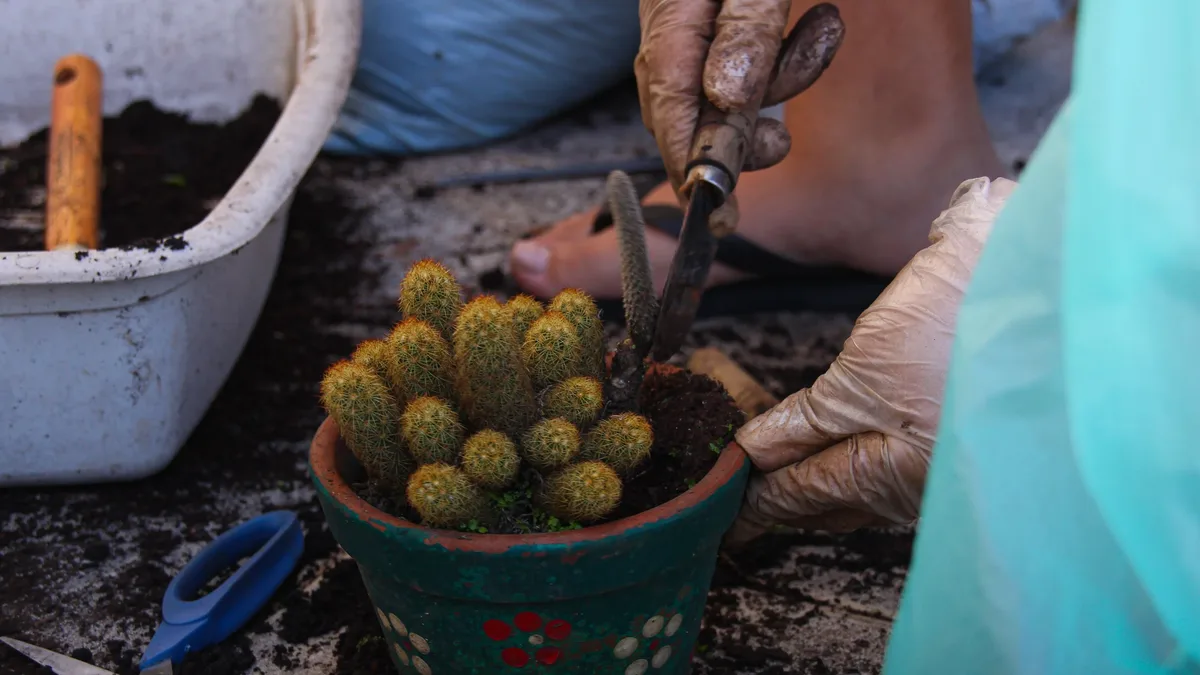
A simple tub of petroleum jelly can be a key defense against pests when bringing houseplants indoors for the fall. The sticky substance acts as a long-lasting barrier to intercept crawling insects before they infest a home collection.
Every potted plant that spent the summer outside has likely hosted bugs. Ants may tunnel through drainage holes, earwigs can hide under pot rims, and adult black vine weevils might climb the containers at night. Outdoors, these issues are less critical. Indoors, without natural predators or rain, a few pests can multiply into a major infestation by mid-winter. Petroleum jelly offers a safer, cheaper alternative to chemical sprays.
How to Apply Vaseline Correctly
The key rule is to never apply petroleum jelly to the plant itself. On leaves, it would block the pores, or stomata, preventing gas exchange and causing leaves to yellow and drop. Stems, whether bark or green tissue, also need to breathe. The barrier belongs solely on the plant's pot or container and any surfaces the container rests upon. For trailing plants like pothos, vines should be angled away from treated areas before application.
Before applying any jelly, clean the pot thoroughly. Any dust, dirt, or dry soil on terracotta or plastic will prevent the petroleum jelly from sticking properly. Wipe the container with a damp cloth and let it dry completely. This allows for a thin, uniform band that stays glossy and effective without sliding off.
Five Easy Barrier Methods
Once pots are clean, these five methods can create effective pest barriers.
1. Ring Outer Pot Rims and Bases
Flightless insects like black vine weevils and earwigs climb container walls to reach foliage. Applying a continuous one-to-two-inch band of petroleum jelly around the exterior pot rim creates an obstacle they cannot cross. A second band near the base of heavy containers intercepts pests like ants climbing up from below. The surface must be clean for the jelly to adhere. Apply the bands outdoors two to three days before bringing pots inside to monitor for attempted crossings.
The source notes scented varieties, like Vaseline Lip Therapy, can be used cautiously for indoor pots but should be avoided outdoors where scents might attract ants. For rim applications, original, unscented jelly is best.
2. Coat Plant Stand Legs and Rolling Caddies
Pests that get indoors will travel. Smearing a thin band of petroleum jelly around each leg of a plant stand, low to the ground, cuts off routes along shelves or sills. The jelly adheres well to metal, painted wood, and sealed resin. For unfinished wood, ceramic, or porous stone, wrap the leg with painter's tape first before applying the jelly to prevent staining. Coat these surfaces outdoors on the morning of moving day.
3. Make DIY Yellow Sticky Traps
Airborne pests like fungus gnats and whiteflies are attracted to the color yellow. The report suggests making a trap by cutting a square of bright yellow cardstock, coating one side with a thin layer of Vaseline, and mounting it on a bamboo skewer placed in the pot. Position the trap just above the soil surface to target adult gnats as they emerge. These traps intercept adults to break the breeding cycle but should be combined with controlled watering to address larvae in the soil. Insert them immediately after bringing plants indoors.
4. Surround Saucers and Pot Feet
The base of an outdoor container is a target for pests. Ants may nest in the potting mix, while earwigs and slugs shelter under drainage saucers. Applying a ring of petroleum jelly around the outer lip of saucers and on the undersides of pot feet creates a bottom-up barrier. Because slugs and snails glide on mucus, they struggle to cross the sticky petroleum jelly. This method seals off a common entry point for soil-dwelling insects.
5. Treat Windowsills and Entry Points
Finally, the source recommends applying thin bands of petroleum jelly along windowsills or other surfaces where plants are grouped. This prevents pests from migrating between pots along these thoroughfares. As with other barriers, ensure the surface is clean and dry for best adhesion. This final step helps secure the perimeter of your indoor plant area.
Used correctly, these simple petroleum jelly barriers can provide a pest-free environment for houseplants throughout the fall and winter months.