Gardening Know How offers nine cooling
The source provides nine landscape design strategies to make gardens feel cooler during summer heatwaves, focusing on plant selection, water features, and
Gardening Know How has outlined nine design ideas to help gardens feel cooler during high summer heat. The suggestions range from selecting specific plant colors to installing water features and using light-colored landscaping materials.
Choose a planting palette of cool colors
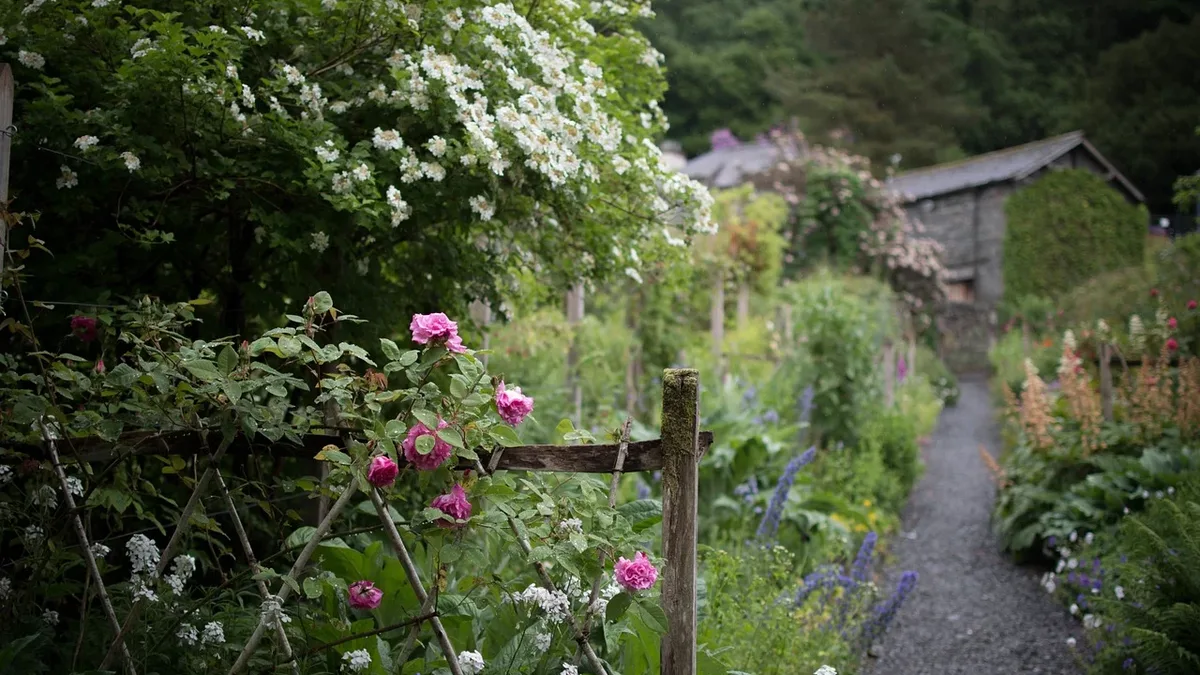
Plant color is as important as variety for creating a cooler garden feel. The source recommends a theme dominated by silver, gray, white, purple, blue, and olive green flowers and foliage. It advises avoiding hot colors like red, orange, and yellow, which visually warm a space. Silver-leaved plants, such as globe artichoke, eryngium, and Senecio candicans, are highlighted for their ability to reflect sunlight.
The article mentions specific plants suited for this purpose.
| Plant Feature | Description | Suitable Zones |
|---|---|---|
| Cool ice-blue blooms | A compact Russian sage form, 2 feet high and wide, with silver-green foliage and icy-blue summer flowers. | 4-8 |
| Metallic hue | A plant with striking blue-gray spiky flowers that provide long-lasting summer interest. | 3-8 |
| Drought-tolerant beauty | A new Leucophyllum candidum variety, a true dwarf at 3 feet high with stunning flowers and foliage. | 7-10 |
Introduce water and fast-growing shrubs
Adding falling water provides multiple benefits. The sound is calming, and a feature can directly pull heat from the air. Solar-powered, off-the-shelf options are presented as an easy, budget-friendly DIY solution. One curved cascading design from Wayfair with a built-in planter is noted as a potential patio focus.
Planting fast-growing shrubs is promoted as an affordable way to create delightful dappled shade. Crepe myrtle (Lagerstroemia indica) can add 2 to 3 feet of height annually. The 'Center Stage' Pink Crepe Myrtle from Nature Hills matures to 10-15 feet tall. Taller oakleaf hydrangea varieties like 'Alice', also from Nature Hills, can grow to 12 feet with reliable summer blooms.
Create shade and an airy feel
Layering plants can create a cool, airy feeling. The technique involves using ground cover, tall native perennials like coneflowers, airy ornamental grasses, and shrubs or multi-stemmed trees for a top layer. Pruning lower shrub sections or tree branches can enhance this open, airy vibe. This layered approach also provides natural privacy screening.
Decorative privacy screens made from materials like Corten steel offer a quick, affordable way to add dappled shade. Landscape designers often use standalone lattice screens to allow light through while adding style and seclusion.
Use patios and living structures
Positioning a solar-powered fountain on a patio hydrates and cools the surrounding air. A DIY option using a cheap floating pump from Amazon is suggested. These fountains recirculate water, preventing stagnation and providing a water source for wildlife.
Growing a living canopy over a pergola with fast-growing climbers like rose, star jasmine, or honeysuckle blocks the sun's rays. This creates a naturally shaded, fragrant space for relaxation.
Select light-colored landscaping materials
Dark hardscaping absorbs and radiates heat. The source recommends using light-colored materials that reflect sunlight, such as pale natural stone or bone-toned porcelain pavers from Lowe's. Combining these with buff gravel or white decorative river stones can help keep a garden cooler. The article states that late-season is an ideal time to implement these ideas so they are established before the next summer's heat arrives.