Tomatoes Still Have Flowers But No Fruit?
Tomato plants may flower but fail to set fruit due to heat stress, improper watering, or nutrient imbalance. Follow five practical steps to improve fruit set before the season ends.
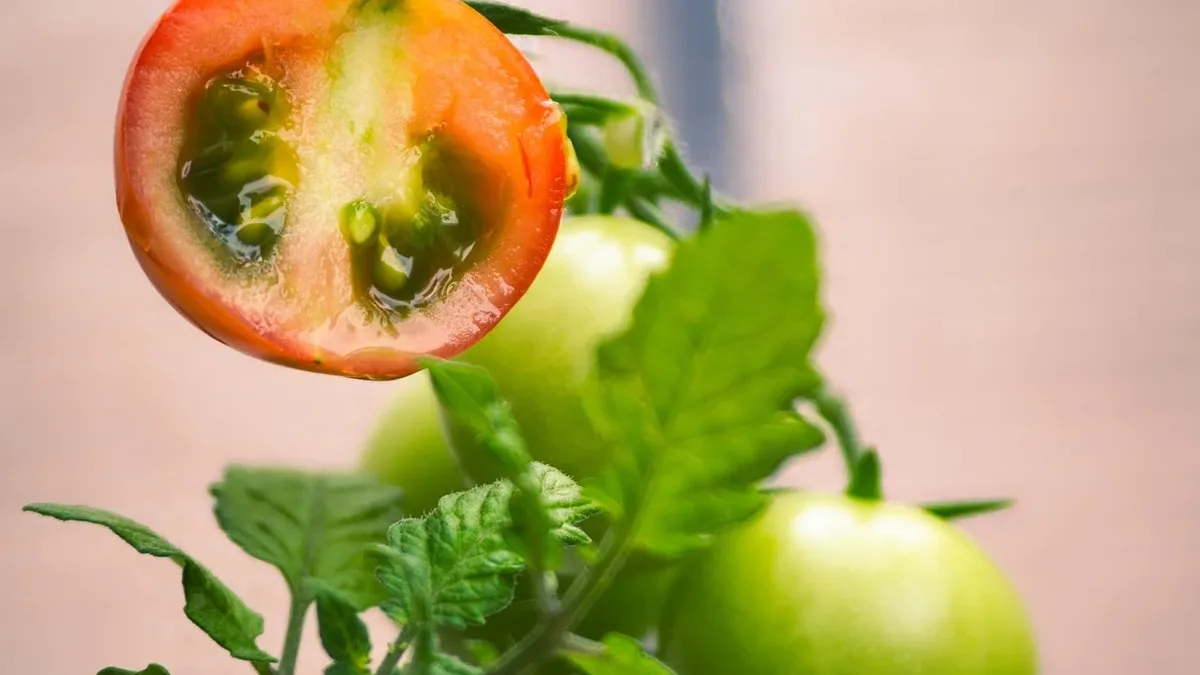
Tomatoes still have flowers, but no fruit? There's still time to turn those blooms into ripe fruit before fall arrives.
How to Turn Tomato Flowers Into Fruit
After reviewing possible causes of no fruit set, there are a handful of tasks you can do right now to fix the problem before the season ends to ensure you still get a huge harvest.
1. Keep Plants Cool
If your weather is consistently hot, above 88°F (31°C), your tomato plants may be heat-stressed and cause flowers to drop off before setting fruit. But you can cool the temperature by as much as 10 degrees by adding a shade cloth to your garden.
You can use a light-colored sheet, a window screen, row cover fabric or a shade cloth, like this one from the Home Depot, that allows a percentage of light to come through and also provides UV protection. Attach it to the side facing west and also lay some fabric across the top of your plant to shade the midday sun. You can leave it up until the heatwave passes or put it up each afternoon.
If you don’t have mulch around your tomato plants, you can do that now to conserve moisture and cool the soil. Use wood chips, straw, grass clippings, or chopped leaves and apply a 2 to 3 inch (5-8 cm) layer. Also, be sure you are watering consistently so the soil does not dry out.
2. Water Well
If the temperature is moderate, make sure you are watering tomatoes properly. Tomatoes need 1 to 2 inches (2.5-5 cm) of water a week. Two or three deep waterings are better than daily shallow watering. Deep watering encourages deep roots and shallow watering encourages roots to stay near the top of the soil where they dry out faster.
The soil should stay moist, but not wet. Drip irrigation puts water right where it is needed and avoids a lot of runoff. Content Editor Laura has used this easy-to-use drip irrigation kit from the Home Depot in her garden for years.
If you are hand-watering, avoid splashing water onto the lower leaves. If that is a problem, remove the lower leaves to prevent soil-borne diseases.
3. Feed With the Right Food
Continue to fertilize your tomatoes, but lighten or remove the nitrogen from the mix. At this point in the summer, your plant doesn’t need to grow stems and leaves, it needs to concentrate on fruit set and ripening.
If you aren’t already, use a liquid tomato fertilizer with a higher middle number (phosphorus) than the first number, or nitrogen, such as 1-3-1. This tomato-specific fertilizer from Burpee is a good option. Apply it every two weeks according to the product instructions.
4. Hand-Pollinate Plants
In case of poor pollination, you can do the job yourself and hand-pollinate tomato plants. Since tomatoes are self-pollinating, both the male (anthers) and female (stigma) parts are within each flower. So all you need to do is throw a little jiggle its way to release the pollen.
To do this, you can gently toggle the flower cluster back and forth as you walk by each morning or simply aim a fan in the plant’s direction. You also can take a paintbrush and move the pollen from the anther to the stigma. Another option is to tap a vibrating electric toothbrush behind the flower. Do this every day for several days to make sure the job gets done.
5. Catch Problems Early
Monitor for common tomato diseases and pests that strike at the end of summer. White flies, aphids, caterpillars and diseases such as verticillium wilt and fusarium wilt affect tomato production.
When necessary, use organic controls such as insecticidal soap and neem oil, both of which are available on Amazon, or a blast of water to repel pests. Caterpillars can be removed by hand. Unfortunately, there is no cure for a wilt diseases. The best defense is to grow disease-resistant tomato varieties to prevent problems.
Keeping your tomatoes healthy with proper watering, fertilizing, and monitoring for pests and disease should help get the tomato production back on track. Pollinating the plants and using a shade cloth in the afternoon also can ensure you will once again enjoy ripe tomatoes until the end of the season.
After graduating from Oklahoma State University with a degree in English, Susan pursued a career in communications. In addition, she wrote garden articles for magazines and authored a newspaper gardening column for many years. She contributed South-Central regional gardening columns for four years to Lowes.com. While living in Oklahoma, she served as a master gardener for 17 years.