Hellebore Fall Care Tips for Winter Blooms
As hellebores begin active root growth in September, timely fall care including light tidying, feeding, and managing volunteers is essential for strong

Hellebores begin root and bud development in September while other plants go dormant, making fall care critical for winter blooms. These easy-going perennials break summer dormancy in autumn, and light attention now leads to gorgeous late winter to early spring flowers.
Light fall attention-moisture monitoring, tidying, feeding, or dividing-helps hellebores transition into their active growing season. Proper fall care supports the plants as they prepare to grow strong roots and buds.
Maintenance Practices
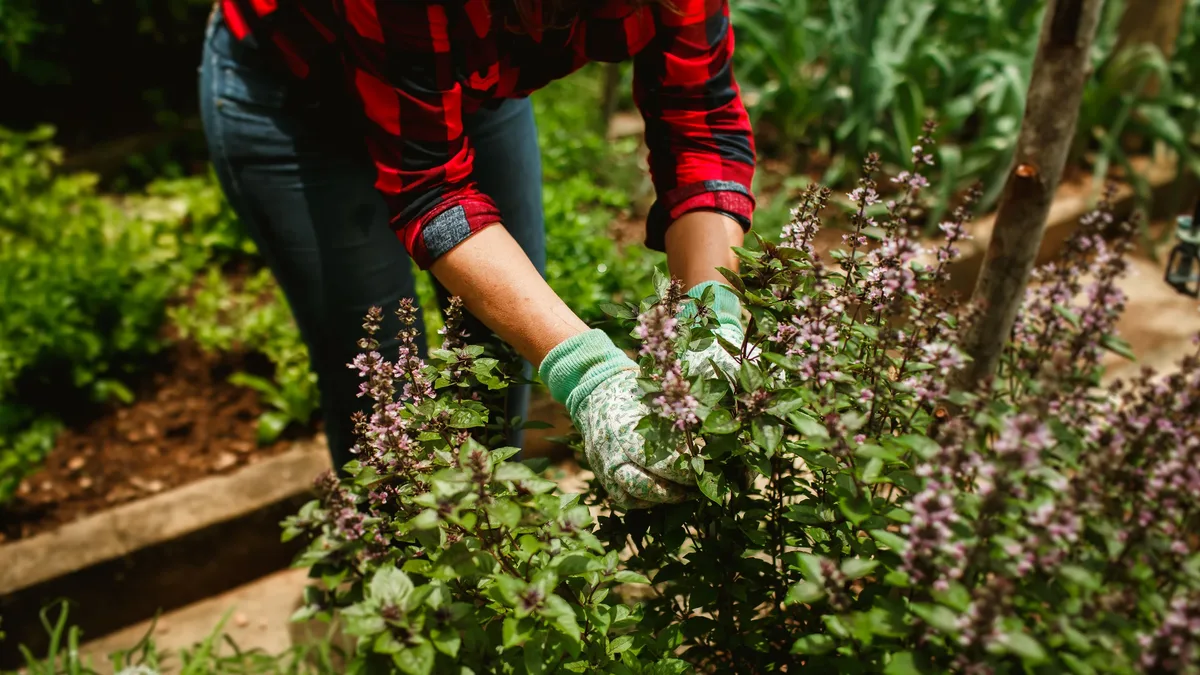
Light tidying of faded blooms and problem foliage is recommended in fall. Damaged or diseased foliage should be removed and disposed of in the trash, not composted. Lifting leaves to remove loose debris improves airflow and limits disease risk during damp fall conditions. Debris around hellebore clumps should be raked up for the same reason.
Tools should be cleaned well after trimming. Content Editor Laura said she "likes to use a disinfectant wipe, like these ones from Walmart, for quick and easy cleaning."
Feeding and Watering
Fall is a good time to provide light feeding as hellebores break dormancy and start active root growth. A balanced, mild fertilizer or compost as a top dressing is recommended; bloom-booster is unnecessary. Poor growth in established hellebores is more likely due to soil moisture or disease than a lack of fertilizer.
Soil moisture should be monitored in early fall due to unpredictable rainfall. Deep watering at soil level, not overhead, is advised if soil dries out or weather is hot and dry. A drip irrigation kit or soaker hose can be used for easy watering.
Mulching and Division
Organic mulch should be applied to a depth of about two inches around plants, keeping the crown area bare to prevent rot. Hellebores develop into large, dense clumps that flower year after year and do not need annual division. They dislike root disturbance.
Only healthy, oversized clumps should be divided. Early fall is the right time due to cooler air and still-warm soil. Large hellebore plants should establish for at least three years before dividing. When dividing, dig up the entire root ball and cut cleanly to make divisions with at least two to three healthy crown components each. New divisions should be replanted immediately.
Volunteer Seedlings
Volunteer seedlings from self-sown hellebore seeds may appear around mature plants in fall and can become overgrown by September. These seedlings should be pulled out to prevent overcrowding, taking care not to disturb the parent plant roots. Volunteers can be disposed of, transplanted, potted up, or left in place to create new clumps.
Many hellebores are hybrids, so volunteer seedlings will not be the same as the parent plants. Managing these volunteers prevents overcrowding while allowing for propagation. Proper fall care leads to gorgeous late winter to early spring blooms.