Plastic Tote Greenhouses Boost Seed Starting and Season
Gardeners are repurposing clear plastic storage totes as low-cost mini greenhouses and seed trays, using simple venting and drainage techniques to protect
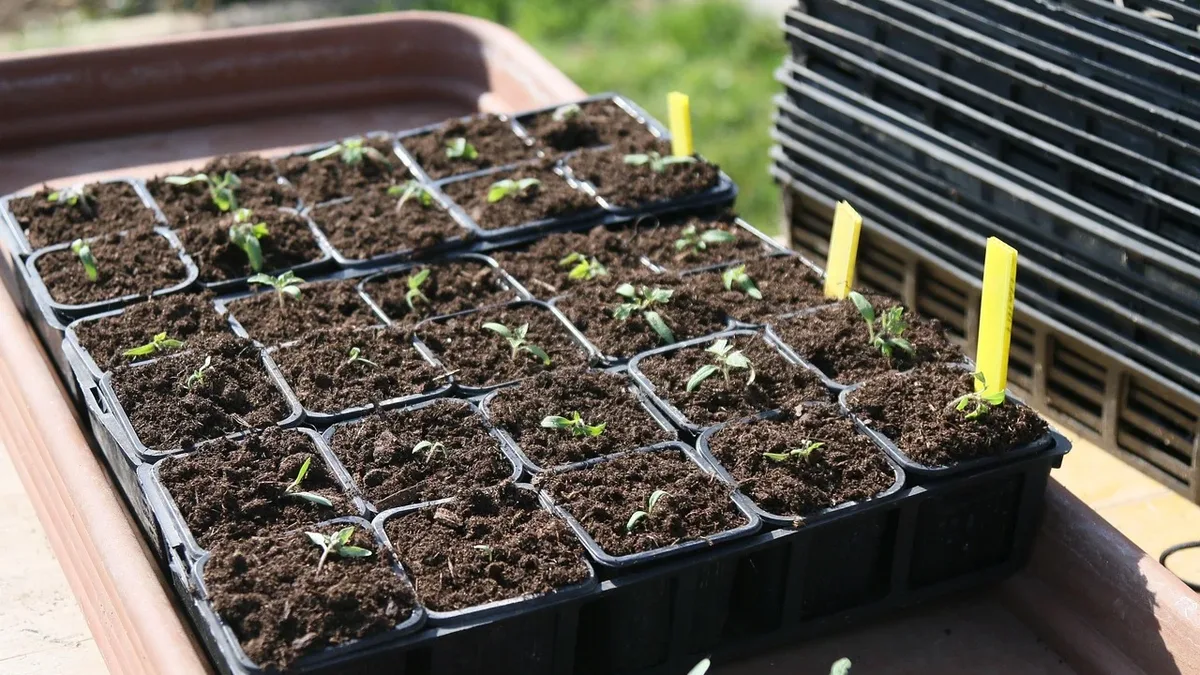
Plastic tote greenhouses offer a low-cost method for seed starting and season extension. By flipping a clear storage bin upside down over seedlings, gardeners create a protective microclimate. Proper venting is critical to prevent dangerous overheating, while the repurposed lids become practical tools for bottom watering.
Venting the tote greenhouse is done by placing a brick or rock under one side to allow airflow and heat escape. The lid of the plastic tote can be used as a water catch tray for bottom watering seedlings. This method ensures consistent moisture without disturbing delicate young plants. Lids can be placed under seed starting trays to catch leaking water or used directly for bottom watering. A clear plastic storage bin is needed for the mini greenhouse method to allow sufficient light through to the plants inside.
Using totes for seed starting and mini greenhouses
Smaller plastic storage bins can be converted into seed starting trays after drilling drainage holes in the bottom. Drainage holes should be at least a handful per square foot of area. A hot metal skewer or a drill is the recommended tool for making these holes; using knives or scissors is discouraged due to the risk of injury and cracking the plastic. For added warmth, a second plastic tote of the same or larger size can be placed over a seeded tray to create a mini greenhouse. This simple setup accelerates germination and protects seedlings from late frosts.
Totes as raised beds and for specific crops
Larger plastic totes function well as mini raised beds after drainage holes are added. Any color tote works for this purpose, and the lids are not required. When filling these containers, a mix of potting soil and organic compost is preferred. One specific product mentioned for successful seed starting is Miracle-Gro seed starting mix.
Certain crops thrive in these repurposed containers. Potatoes grow well in plastic totes, but the container must be deep enough to accommodate their roots.
Limitations and lessons from real-world use
While affordable, plastic totes have trade-offs. They are less durable than metal or wooden raised beds and may last only a few years when exposed to outdoor sun. The risk of overheating in a sealed tote greenhouse is real and requires vigilant management. Gardener Laura Walters learned this firsthand. "By 10am, the sun was blazing down on my greenhouse and my plants were literally smoking when I opened the tote," she said. The incident was a stark lesson in the necessity of ventilation.
Despite the challenges, the benefits can be significant. Walters noted that her plants recovered swiftly from the overheating scare. She attributes a subsequent gardening success to this early start, stating, "Luckily, my plants recouped quickly and that was the best year I’ve ever had in my vegetable garden."