Smart Water Management Reshapes Garden Design in 2026
Water management is now central to garden design, driven by supply challenges. Key strategies include improving soil health, capturing rainwater, using permeable surfaces, and selecting drought-tolerant plants.
Water management has become a starting point for landscape design in 2026, not an afterthought. This shift is driven by real water supply challenges and changing environmental conditions, according to experts cited by Gardening Know How.
Diego Camarena, a commercial representative for the landscape company GreenMex, says regulations and supply issues make it essential to create green spaces that require less water. He states that climate change has driven the use of more resilient, low-water-use plants with high sun tolerance. Everything now starts with context: climate, water availability, and sun exposure.
Healthy Soil as a Water Sponge
The most important work for water-wise gardening happens underground. Healthy soil acts like a sponge, absorbing rainfall and slowly releasing moisture to plant roots later. Lawrence Markovitz, President of BioXtreme, emphasizes that the future of water-smart design is about how effectively soil holds and uses water below the surface. Soil rich in organic matter and microbial life improves both water absorption and retention.
Easy methods to improve soil water retention include mixing compost or organic matter into beds, adding mulch to slow evaporation, converting struggling lawn into plant beds, and using ground cover plants to shade the soil.
Capturing Rainwater On-Site
Modern garden design increasingly focuses on capturing rainwater where it falls instead of diverting it away. Architect and landscape designer Seymen Usta frequently uses rain barrels, rain gardens, and bioswales in his projects. He creates these features within narrow constraints by placing rain barrels directly on the ground where rain naturally falls.
This allows captured water to be delivered directly to plant roots via a drip irrigation system. Usta notes that even on sloped surfaces, a shallow rain garden can use roof runoff to create parcels for native perennial plants. These gardens provide habitat for pollinators while reducing flood risk.
Using Permeable Surfaces
Hard, impermeable surfaces like concrete patios prevent water from soaking into the ground. Switching to permeable materials allows rain to filter back into the soil where plants can use it. Usta suggests options like gravel walkways or permeable pavers. These materials help reduce overall garden temperature and decrease erosion.
Selecting Resilient Plants
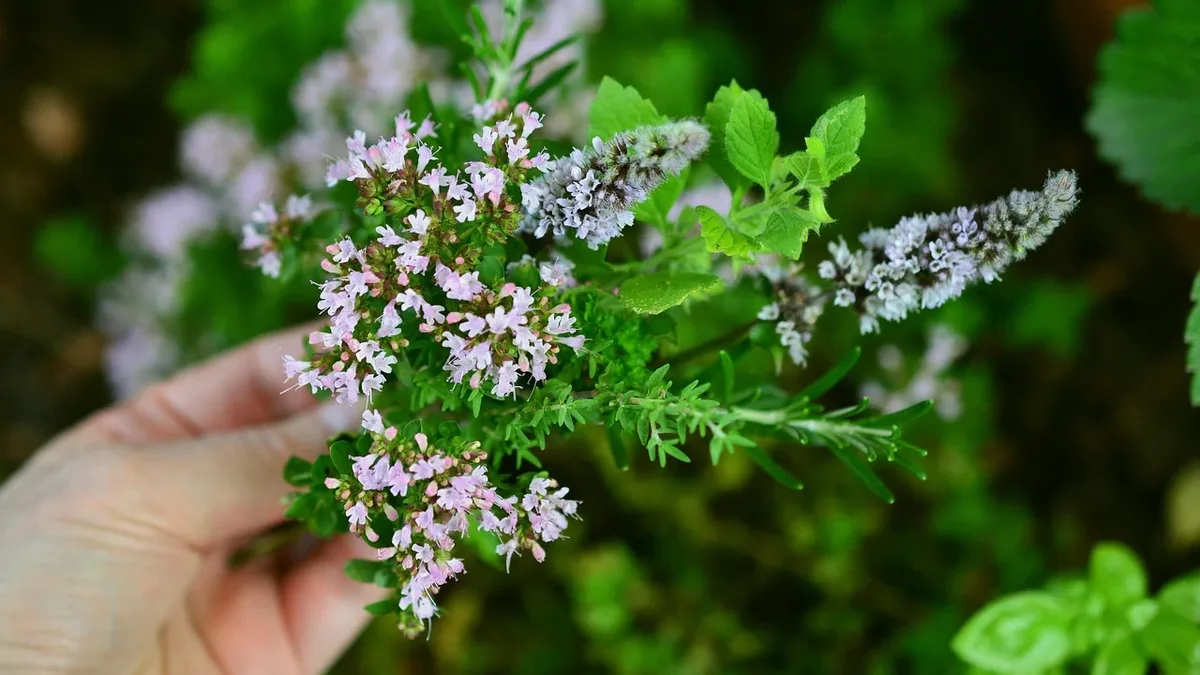
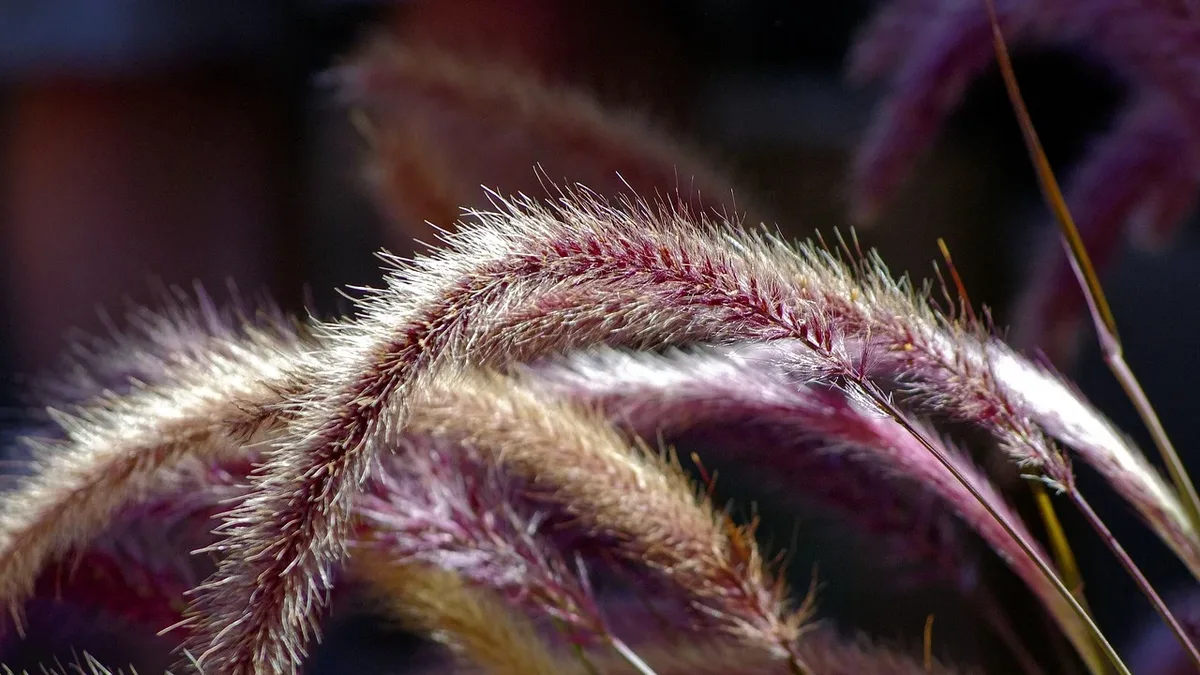
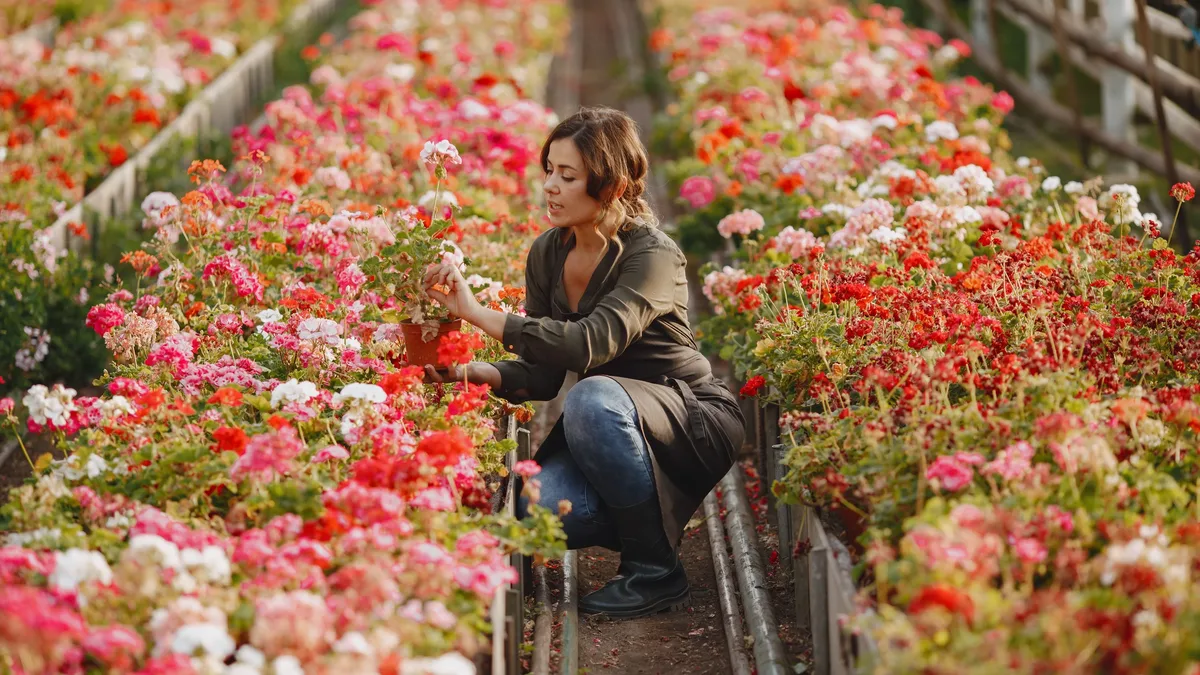
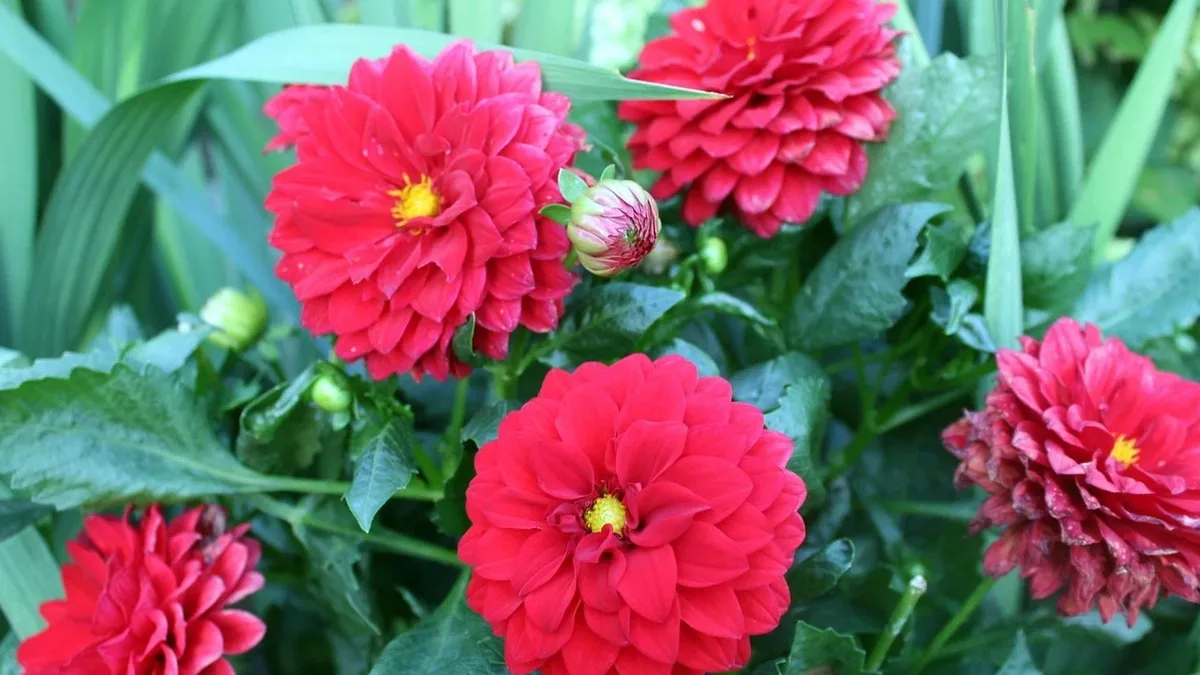
Plant choice is key for reducing garden water needs. Diego Camarena recommends starting with plants naturally adapted to heat and lower water conditions. Selecting such plants means your garden is less likely to suffer if you forget to water it for a few days.
The following plants are recommended for their low-water needs and heat tolerance:
The Varied Benefits of Mulch
Mulch is a highly effective, if unglamorous, water-saving tool. Seymen Usta recommends it for nearly every landscape. He says the long-term benefits of mulch include increasing soil water retention, suppressing weed growth, and improving soil fertility over time. The upfront cost is often very low.
Water-smart garden design is about using water more intelligently, not eliminating it. Designing a garden to slow water down, capture it, and put it to good use creates a more resilient and often more beautiful outdoor space.