Self-Pollinating Fruit Trees for Fall
A guide to five self-pollinating fruit trees ideal for fall planting, including peaches, nectarines, sour cherries, figs, and Jonagold apples.
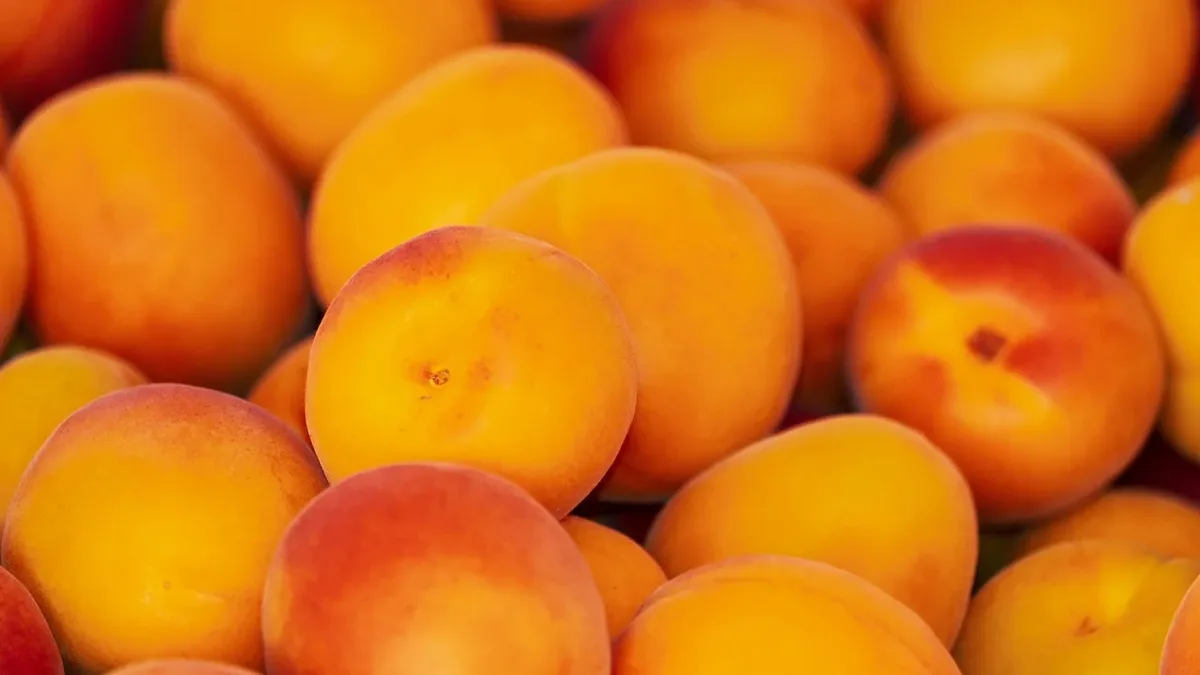
A single tree can deliver a generous harvest this season if it is self-pollinating. For those who lack space or want a simple, low-maintenance option, the five trees highlighted here can be planted in the fall and will produce fruit in the coming year.
Why Self-Pollinating Trees Matter
Many fruit varieties need a second tree of a different cultivar to set fruit. Apple and sweet-cherry trees are typical examples. With a self-pollinating tree you avoid the need for a companion plant, making it easier to manage a small garden or a single-tree orchard.
The trees below are all capable of producing fruit on their own. They also thrive in a wide range of climates, from USDA zones 4 to 10, so most gardeners can find a suitable option.
Top Five Trees for Fall Planting
| Tree | USDA Zone | Yield (if noted) |
|---|---|---|
| Peach | 4-9 | , |
| Nectarine | 4-9 | , |
| Sour Cherry | 4-7 | , |
| Fig | 5-10 | Up to 100 pints per season |
| Jonagold Apple | 5-8 | , |
Georgia” variety from Perfect Plants offers a classic Southern flavour and is suitable for zones 4-9.
In colder climates, the “Hardired” cultivar from Stark Bro’s is recommended because late-spring frosts can destroy flower buds.
Sour Cherry
Most sour-cherry trees are self-pollinating, unlike their sweet counterparts. The “Montmorency” tree, available at Lowe’s, blooms white in summer and produces tart cherries that are great for baking, preserves, or fresh eating. It is hardy in zones 4-7 and attracts bees to its spring blossoms.
Hardy” variety from Trees.com is one of the most popular for colder climates. It tolerates temperatures down to -10°F (-23°C) and can yield up to 100 pints each season, often within one or two years of planting. For more information on yield, see our stats.
Jonagold Apple
While most apple trees need a second tree for cross-pollination, a few varieties are self-fruitful. The “Jonagold” apple, available from Trees.com, is sweet and juicy, ripening in mid-to-late fall. It is hardy in zones 5-8 and is prized for its reliable harvest and sweet-tart flavour.
Planting Tips for the Season
Fall is an ideal time to plant potted, balled-and-burlapped, or bare-root fruit trees. Installing them now gives the roots time to establish before winter and a head start for spring growth. When choosing a location, ensure the tree receives full sun and well-drained soil. Water the tree regularly until the soil dries between watering sessions.
If you live in an area prone to late-spring frosts, consider planting a hardier cultivar or providing frost protection such as a frost cloth. For more details on frost protection, see our injuries.
Finally, schedule a fall planting session and check the fixtures for local gardening events or workshops that can help you get started. A single self-pollinating tree can bring a bountiful harvest to any backyard, and the varieties listed above are a great place to begin.
You can buy a high-quality Jonagold tree online from Trees.com.
Source: Gardening Know How