Narcissus 'Thalia' Daffodil Gains Favor Over Classic Yellow
The fragrant, white-flowered Narcissus 'Thalia' is becoming a preferred choice for spring planting, offering hardiness, shade tolerance, and a naturalistic
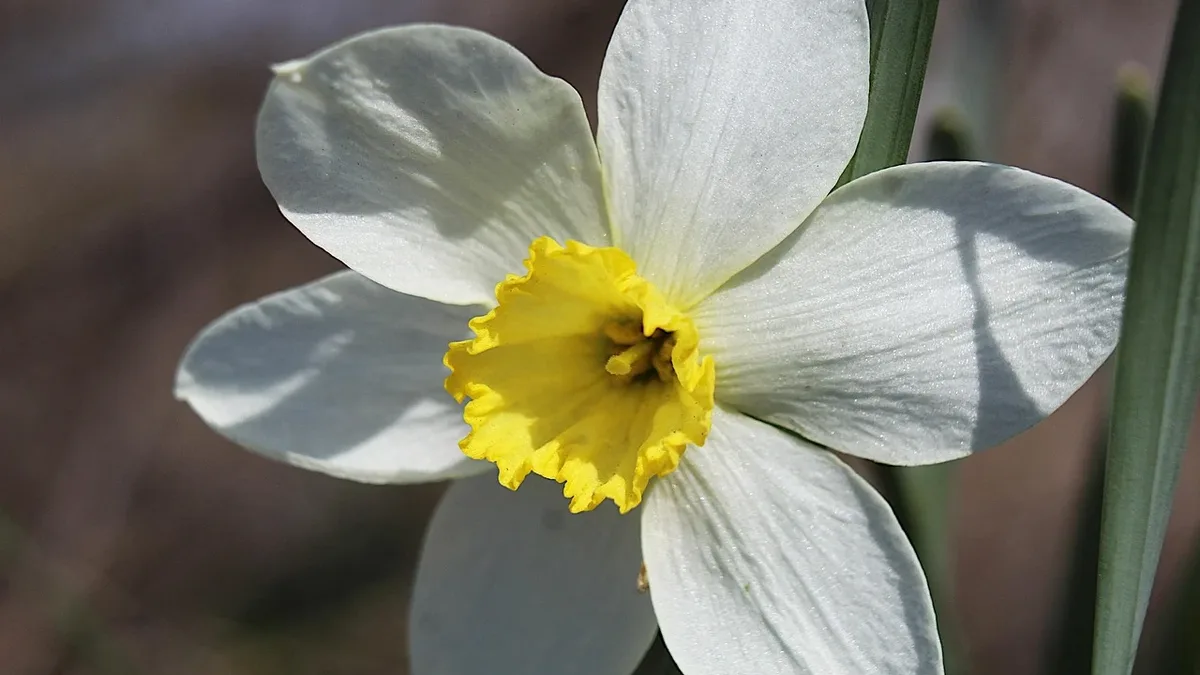
Gardeners planning their fall bulb orders are increasingly choosing the Narcissus 'Thalia' daffodil over classic yellow varieties. According to a report from Gardening Know How, this white, fragrant daffodil is hardy, long-lived, and suitable for naturalizing.
Unlike the familiar large yellow trumpets, 'Thalia' produces clusters of delicate white flowers. Each stem, standing 35 to 40 centimeters tall, typically bears between two and four blooms. This creates a whimsical, windswept appearance ideal for a natural-looking spring garden.
Key Characteristics and Benefits
'Thalia' is noted for its toughness and low-maintenance nature. The report states it tolerates partial shade and excess moisture better than many other daffodils. This makes it a versatile option for pots, borders, and areas beneath deciduous trees. It is also generally resistant to deer and rabbits.
A significant advantage is its fragrance. The sweet scent makes it a good choice for planting near pathways or seating areas. The flowers are also suitable for cutting and bringing indoors.
Comparison with Classic Daffodils
The source suggests 'Thalia' is quietly replacing classic yellow daffodils as a favorite for many gardeners. It offers a different aesthetic-elegant and soft rather than a bold burst of yellow. The report clarifies it does not replace every classic variety, as the traditional yellow trumpets remain valuable for their unmistakable spring color.
| Feature | Narcissus 'Thalia' | Classic Yellow Daffodils |
|---|---|---|
| Flower Color | Creamy white | Typically yellow or yellow-and-white |
| Flowers per Stem | 2-4 | Often single, large trumpet |
| Height | 35-40 cm | Varies by cultivar |
| Key Traits | Fragrant, shade tolerant, naturalizes | Cheerful, hardy, dependable |
Planting and Garden Uses
Fall is the prime time to order and plant bulbs for spring bloom. The planting window can extend well into the season depending on the USDA zone. 'Thalia' is recommended for gardeners wanting to experiment beyond traditional bulbs.
Its ability to naturalize means it can spread and return reliably for years. Kayleigh, the gardening writer for the source, is quoted saying, "I bet that, once you see those clusters of white flowers appearing next spring, you'll wonder why you didn't plant them sooner."
A Versatile and Historic Choice
Despite its delicate appearance, 'Thalia' has over a century of cultivation. It is described as a member of the orchid daffodil family. Its combination of old-world charm, resilience, and multi-season interest-from spring blooms to wildlife resistance-makes it a compelling option for the fall planting list.