Plant These Six Perennials in September for Bigger Summer
Gardening Know How recommends planting peony, bearded iris, coneflower, daylily, garden phlox, and hollyhock in September to establish roots before winter
Planting perennials in September gives them a head start on establishing roots before winter, leading to more vigorous growth and bigger blooms the following summer. This approach avoids the heat and drought stress of summer planting, allowing plants to focus energy on root development during cooler months.
The timing for planting depends on your USDA hardiness zone and local conditions, so gardeners should verify that each perennial is suitable for their area and follow specific planting instructions. Early fall planting allows perennials to settle in and emerge in spring with established root systems, ready to support leaf, stem, and flower growth.
Peony
Peonies produce show-stopping ruffled blooms in early summer and benefit from fall planting, especially as bare-root specimens. Though newly planted peonies may not flower fully in the first year, they can live and bloom for decades with minimal care once established. Planting in September gives their roots time to develop before winter dormancy.
Bearded Iris
Bearded iris are tough perennials with colorful, fragrant blooms ranging from deep purple and blue to yellow, pink, and white. September is ideal for planting or dividing their rhizomes, as this timing allows establishment before the next growing season. Gardeners should avoid burying rhizomes too deeply to prevent rot.
Coneflower
As North American natives, coneflowers produce daisy-like flowers with prominent central cones in shades of pink, purple, white, orange, or yellow. They tolerate heat and dry conditions well once established and attract pollinators. Planting in September supports root development in cooler temperatures, leading to tall, season-long blooming stems and winter-interest seedheads.
Daylily
Despite their name, daylilies are not true lilies but clump-forming perennials with trumpet-shaped flowers that last one day each. However, they produce many buds, resulting in a long flowering period. Planting in September allows root development before summer heat, enabling low-maintenance, impressive summer displays with minimal ongoing care.
Garden Phlox
Garden phlox creates large clusters of colorful, fragrant flowers on tall stems, making it ideal for the middle or back of a flower border where it adds both height and color. September planting helps roots establish before winter, setting up the plant for strong growth in the next season. Varieties like Jeana Tall Garden Phlox are pollinator-friendly natives.
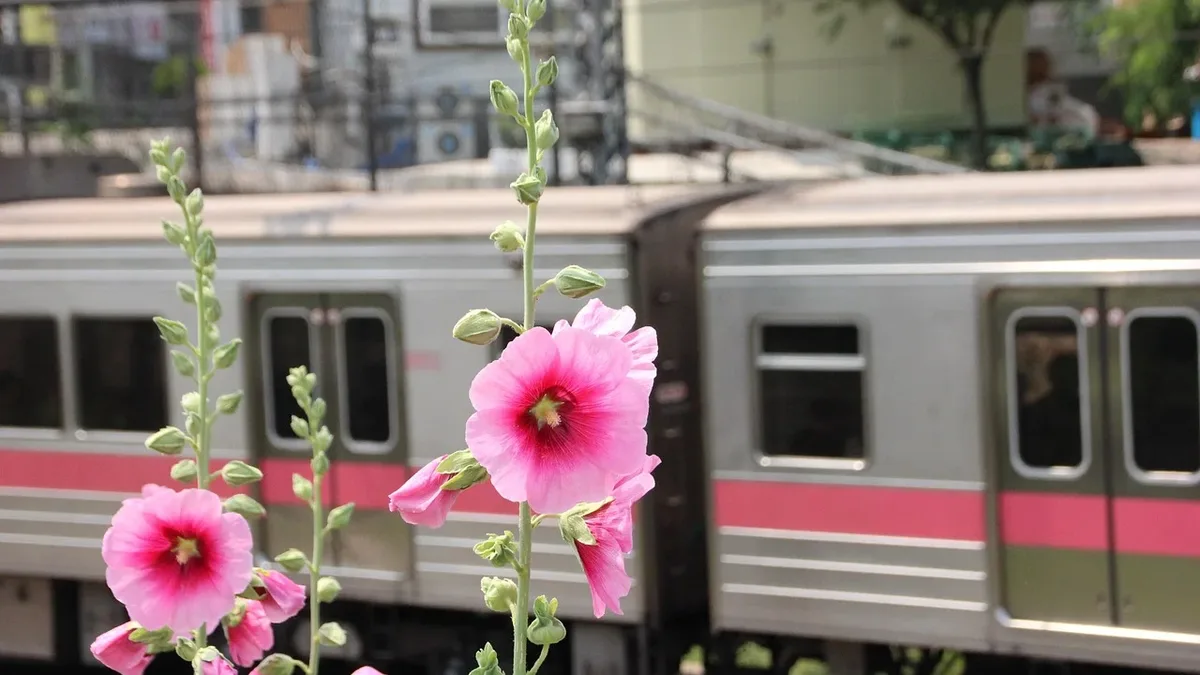
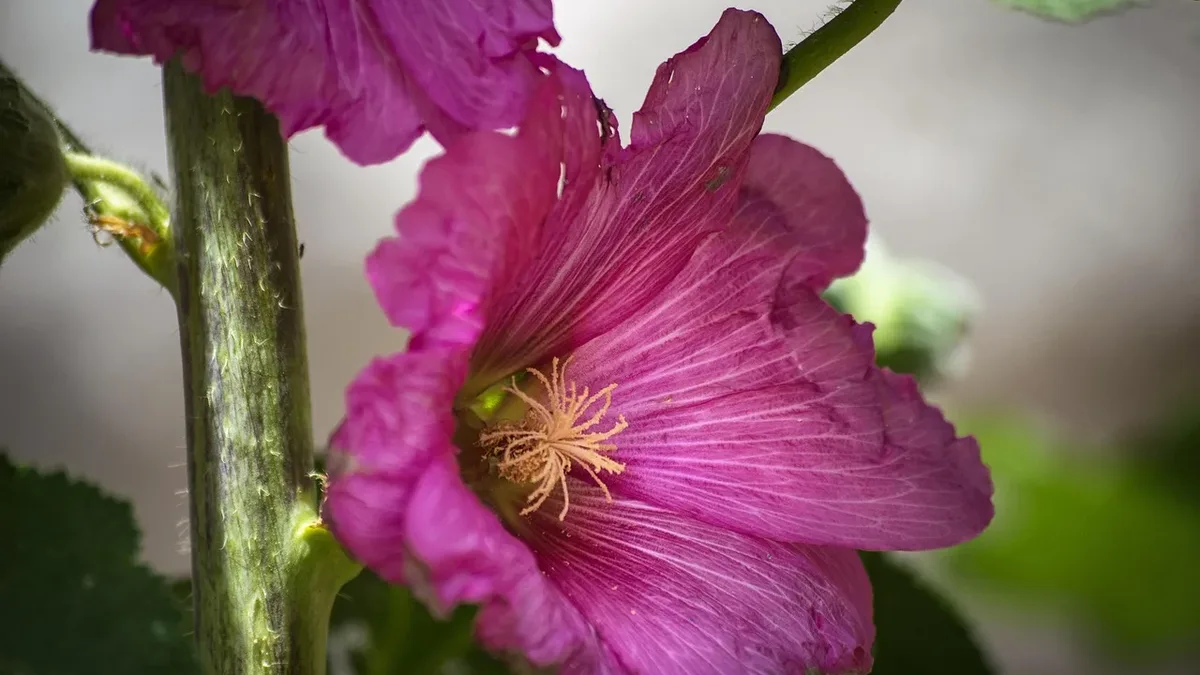
Hollyhock Hollyhocks produce towering flower-covered stems that add vertical drama to gardens, though they are technically short-lived perennials or biennials depending on variety and conditions. They readily reseed in suitable spots. Fall planting supports establishment, and their tall spikes are effective for adding dimension to borders rather than just ground-level color.
After planting, water thoroughly, especially in dry falls, and apply organic mulch without piling it against crowns or stems. Avoid heavy fertilization to prevent weak growth. The article also notes that combining fall-planted perennials with spring bulbs like tulips and daffodils creates seasonal interest throughout the year.