From Lawn to Haven: How One Couple Transformed Their Yard into a Wildlife Oasis
An American couple replaced their suburban lawn with native plants, creating a thriving ecosystem that attracts pollinators and wildlife. Their journey, along with insights from experts, highlights the growing trend of conservation landscaping and its benefits for biodiversity.
James Reed McGuire and Crystal Fritz had little gardening experience when they decided to replace their lawn with native plants. Moving from Chicago to Highland Park, Illinois, they sought to escape the environmental emptiness of a traditional turf lawn. Their early efforts were clumsy-scattering mixed wildflower seeds without planning and struggling to dig up grass by hand. But through trial and error, they learned to identify and cultivate native species, designing their garden to bloom throughout the growing season.
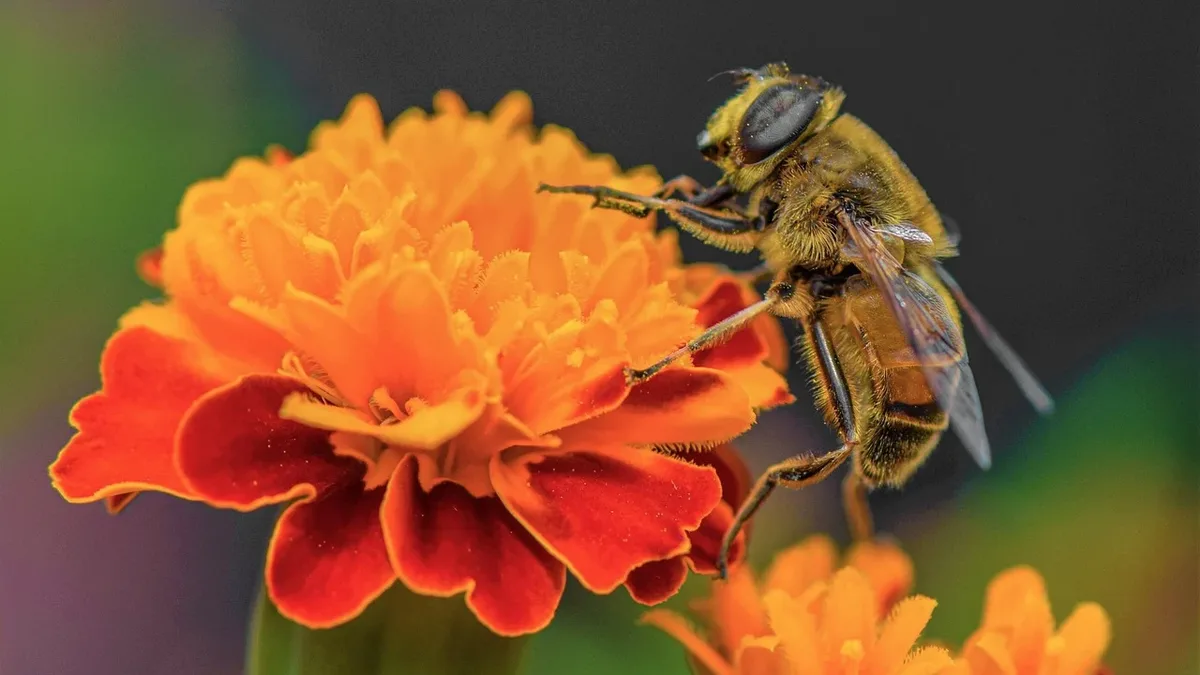
Today, their yard is a vibrant ecosystem, teeming with birds, butterflies, bees, and even foxes. The transformation has brought them peace and attracted admiration from neighbors. The couple’s garden was certified as a Wildlife Habitat by the National Wildlife Federation in 2023, and they’ve inspired others to follow suit. Their story reflects a broader shift in the U.S., where homeowners are replacing lawns with biodiverse landscapes.
## The Problem with Lawns
According to entomologist Doug Tallamy, lawns originated in Europe as a symbol of wealth. In the U.S., they became widespread with the invention of lawnmowers and synthetic fertilizers. Today, an estimated 40 million acres of the country are covered in turf-more than any single irrigated crop like maize or wheat. However, these lawns are ecologically barren. European grass species have shallow roots, failing to absorb water or store carbon. Runoff from fertilizers and pesticides pollutes waterways, while the lack of native plants leaves pollinators and wildlife unsupported.
Tallamy argues that parks and reserves alone are insufficient to combat biodiversity loss. He advocates for "conservation landscaping," where homeowners replace portions of their lawns with native plants. Even small changes, like reducing lawn space by half, can create vital habitats for wildlife.
## A Growing Movement
Camille Dungy, a poet and academic in Fort Collins, Colorado, transformed her lawn into a biodiverse garden over a decade. Now 70% native plants, it supports birds and pollinators while using less water. Her experience mirrors a cultural shift: in 2013, her Homeowners’ Association enforced strict lawn rules, but by 2023, Colorado had banned restrictions on water-wise landscaping.
Other states are following suit. California offers rebates for replacing lawns with drought-tolerant gardens, while Minnesota and Pennsylvania pay residents to plant native species. Virginia has banned invasive ornamental plants, and Marco Island, Florida, incentivizes homeowners to host endangered burrowing owls.
## The Rewards of Rewilding
For McGuire and Fritz, the greatest reward has been witnessing nature return to their yard. Tallamy notes that unlike other eco-friendly choices, rewilding offers visible results. "You see the biodiversity come back," he says. "Even if you’re not saving the whole planet, you’re making a real difference in your own space."
As more homeowners embrace native landscaping, the movement gains momentum. From rebates to real estate appeal, the benefits extend beyond ecology-creating a sense of connection to the natural world.