Paul Morrow: 9 Drought-Tolerant Tricks
Paul Morrow Garden Designer outlines nine creative landscape designer tricks for drought-tolerant gardens that cut watering time, not style.
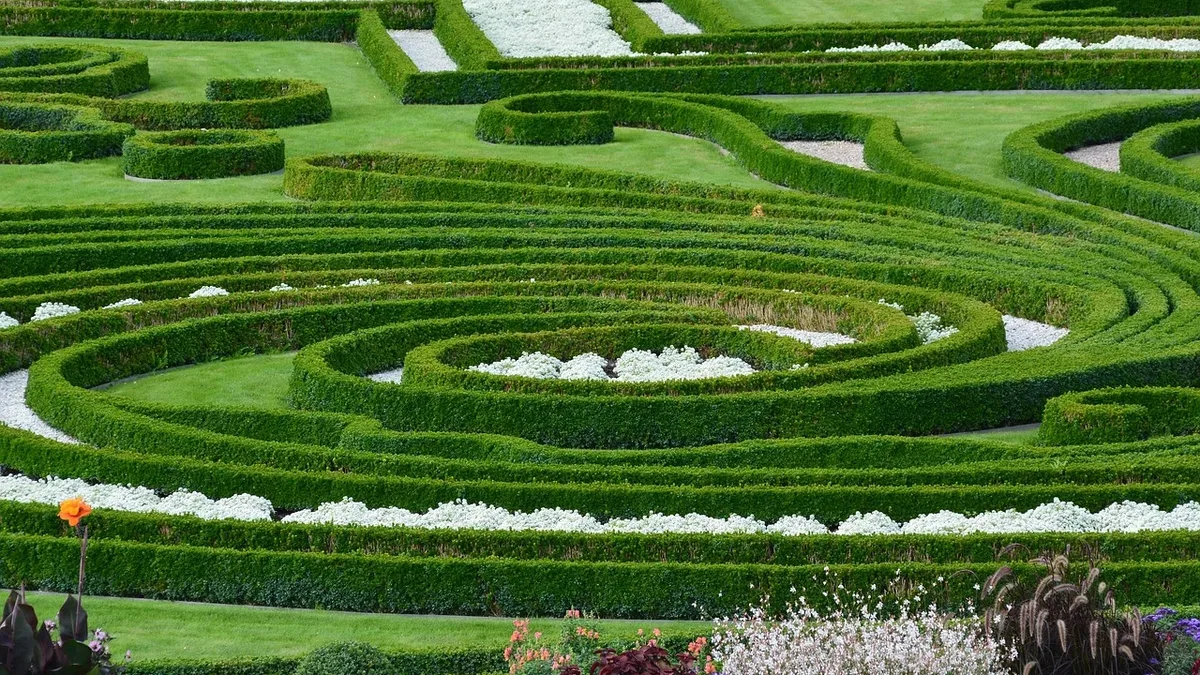
You can create a striking yet resilient backyard that needs very little irrigation to flourish with these clever low-water landscaping tips and techniques.
- 1. Embrace Rockscaping
- 2. Use A Dry River Bed as a Key Design Element
- 3. Include Plant Accents as Bold Talking Points
- 4. Pair Big Planters with Resilient Plants
- Standout Plants for Drought-Proof Planters
- 5. Plant Resilient Ground Cover that Slowly Spreads
- 6. Blur the Edges with Distinctive Plants
- 7. Ditch the Lawn for a Gravel Garden
- 8. Replace Water-Guzzling Grass with a Native Perennial Meadow
- 9. Add a Drought-Tolerant Tree to Shade Plants
Gone are the days that only those living in a hot, dry climate thought about drought-tolerant gardens: after this heatwave summer, with hosepipe bans up and down the country, we all need to consider how to make our yards less dependent on water. But don't worry, that doesn't mean you have to compromise on a great-looking garden. These landscape designer tricks for drought-tolerant planting can transform your backyard while cutting the need for irrigation.
The combination of choosing the right plants and enhancing them with complementary landscaping materials can result in a sustainable design that feels right for the local climate, plus works for you. As with any good landscape design, the focus is on texture, color and repeat planting, but landscape designers rely on plants that are self-sufficient once established and tend to self-seed, as well as native plants adapted to the local climate. Using plants that practically grow themselves means that a drought-tolerant garden is also a low-maintenance garden, requiring less of your time to stay in good shape.
The best ideas for drought-tolerant gardens (also known as dry gardens and xeriscape gardens) are so much more than simply practical solutions to the challenges of climate change. Instead, they're aesthetically pleasing designs that tap into the best sustainable ideas to create a dream outdoor space despite limited water resources. It's a natural fit for hydrozoning ideas too, the landscape design method that groups plants with similar water needs together into specific zones.
If you're wondering how to design a drought-tolerant garden, or simply make part of your yard less dependent on water, these are the key tips and techniques that landscape designers use.
1. Embrace Rockscaping
Rockscaping is a modern version of the traditional rock garden that's arisen from the necessity of creating low-water gardens, as the stone effectively locks moisture in the ground and shields the soil from extreme temperatures. Rocks partner beautifully with xeriscaping, creating visual interest and helping to define different areas of the garden. Using bold sculptural planting, a rockscape can be planted less densely than a traditional border, further minimising the amount of water needed.
Building a rock garden isn't as hard as you might think. The key to successful rockscaping is to create an initial structure with larger rocks, then add smaller pebbles, crushed stone and gravel to create a full, layered design. Begin with a few well-placed larger rocks to anchor the space, then allow space between the rocks for plants to grow, and use drought-tolerant groundcover plants to spread into crevices and knit the scheme together.
Lowe's has a good selection of landscaping rocks. If you're on a budget, look on Facebook Marketplace, eBay, Craigslist and Freecycle for listings of surplus materials left over from landscaping projects. Using local stone for hardscaping wherever possible is more sustainable in terms of carbon footprint and naturally complements local planting.
Sign up for the Gardening Know How newsletter today and receive a free copy of our e-book "How to Grow Delicious Tomatoes".
2. Use A Dry River Bed as a Key Design Element
Dry river beds are an ornamental solution to drainage problems in the garden as well as being an aesthetically pleasing design. Also known as a dry creek bed, this is a type of landscaping that’s designed to resemble a pebbly stream without the water. It allows water to filter down naturally into the soil too, offering a landscaping solution where plants can thrive in drought-prone areas.
This is a budget-friendly way to improve your garden too. All you need to do is dig out a curved path to simulate the stream bed, cover the area with a landscaping fabric that allows air and water through like this weed barrier from Lowe's, then add pebbles. Use pea gravel such as this Landscape Rock from The Home Depot as it's rounded so looks more river-worn than conventional gravel, and mix in larger river pebbles such as these Landscape Pebbles, also from The Home Depot, for a natural finish.
Choose a mix of drought-tolerant planting to enhance the design. Consider tall accent plants like lavender and yarrow, softly textured ornamental grasses such as Mexican feather grass and feather tail grass, and low-growing plants that spread about in gravel like sedum.
3. Include Plant Accents as Bold Talking Points
The label 'drought-tolerant plant' doesn't sound very inspirational, but there's so much scope for including statement plants in your design without becoming dependent on regular irrigation. Adding an accent plant is a landscape designer trick that's easy to do yourself, and will give your planting design the edge.
Start your search for showstopper no-water plants with succulents, choosing from sempervivum, agave, aloe, and sedum. Crushed stone, gravel and rocks offer the perfect dry and gritty growing medium succulents like, too.
One of most spectacular succulents is aeonium, a showy plant that comes in a kaleidoscope of colors including black, red and lime green. These grow on tall arching stems that add a sculptural touch to your planting design. While known mainly for their waxy rosettes of leaves, many aeonium species naturally produce bright, star-shaped yellow flowers too. These form dramatic, cone-shaped, attention-grabbing clusters that last from late winter through summer.
4. Pair Big Planters with Resilient Plants
Although container gardens generally need more watering than plants in the ground, using resilient drought-tolerant planting choices in large planters reduces irrigation needs. To give these plants the fast-draining conditions they prefer, fill containers with a standard potting mix but mix in plenty of perlite, coarse sand or grit such as Jack's Gritty Mix from Walmart to create the right growing medium. Add a top-dressing of gravel mulch to containers to help retain moisture in the soil.
In a big-enough container, you can even grow a compact pine tree such as Pinus sylvestris ‘Watereri’, featured in the design above. This hardy, slow-growing evergreen conifer with distinctive blue-green needles and a rounded form is a dwarf variety, perfect for adding year-round structure and color to a container garden.
Standout Plants for Drought-Proof Planters
5. Plant Resilient Ground Cover that Slowly Spreads
One of the best landscape designer tricks for drought-tolerant planting is to use resilient low-growing ground cover plants that act as a living mulch in dry and xeriscape gardens. They prevent the evaporation of water from the soil and help protect against soil erosion, as well as blocking weeds that steal precious water from your plants.
Fragrant, resilient creeping thyme is a great pick for a drought-tolerant garden as it's happy in poor soil including sand, gravel and grit, and full sun, and once established requires very little water. With soft gray foliage, a touchable texture and showy pink blooms from late spring to early summer, it releases a cloud of fresh scent whenever it's stepped on, so it works well on path and driveway edges, too. At this time of the year, you'll get better results with young plants such as these 3 Red Creeping Thyme plants from Walmart, or sow Thymus Serpyllum seed, available from Amazon, in spring.
**6. Blur the Edges with Distinctive Plants**
When you're using lots of rocks, pebbles and gravel in addition to the usual amount of paving and paths, it's important to pay attention to softening the edges of all this hardscaping with planting. Don't fall into the trap of thinking these softening plants are the low-growing, unobtrusive ground cover we talked about in the previous idea. No, these are eye-catching plants that draw your focus away from hard lines with brightly colored leaves, airy flowers or stems that drape artfully.
There are plenty of showstopper low-water plants that landscaper designers use to soften hardscaping such as pink muhly grass, coral bells and creeping rosemary.
**7. Ditch the Lawn for a Gravel Garden**
It's hard to keep traditional lawns looking good when hot, dry summers regularly wreak havoc on them. With water restrictions in place in man