Seven fall-sown flower seeds for next year
Gardening Know How advises sowing seven flower seeds in autumn. This uses natural cold to create stronger plants and earlier blooms next year.
Sowing specific flower seeds in fall is the best investment for next year's garden, according to a report from Gardening Know How. For the cost of a few seed packets, gardeners can achieve strong plants that flower from late spring through summer. You can find more seasonal planting guidance on our fixtures page.
Many flowering plants are traditionally sown in spring, but the source states that numerous varieties actually perform better when sown in autumn. Fall-sown seeds often result in larger plants that bloom earlier than their spring-sown counterparts. This is because some seeds require exposure to cold and moisture, a process called cold stratification, to germinate effectively. Letting winter naturally provide this condition is easier than manually chilling seeds. Other species are hardy enough to germinate in fall, survive the winter as small plants, and then surge ahead in growth once spring arrives. The source adds that these fall-sown plants are typically low-maintenance and often self-seed, providing more flowers in subsequent seasons.
Recommended Flowers for Fall Sowing
The source identifies seven specific flowers ideal for autumn sowing, detailing their characteristics and optimal planting times.
| Flower | Botanical Name | Key Sowing Time | Plant Type | Notable Features |
|---|---|---|---|---|
| Bachelor Buttons | Centaurea cyanus | September | Annual | Flowers late May to June; attracts bees, butterflies; 'Blue Boy' grows 2-3 feet tall; edible petals. |
| Poppies | Papaver somniferum | Fall | Annual | Requires cold stratification; self-seeds; varieties like Peony Double Blend available. |
| Purple Coneflower | Echinacea purpurea | Around first hard frost | Perennial | Strong germination in spring; may flower in first year with fall sowing; establishes over 2-3 years. |
| Larkspur | Consolida regalis | September or October | Annual | Larger plants, longer stems; flowers late spring to early summer; 'Shades of Blue' has multiple blue hues; all parts toxic. |
| Calendula | Calendula | September or October (a month before first frost) | Annual | Early spring blooms; colors from cream to pink; acts as a trap crop; petals are edible. |
| Butterfly Weed | Asclepias tuberosa | November (when soil cools) | Perennial (Zones 3-10) | Needs cold stratification; vivid orange flowers attract Monarch butterflies. |
| Coreopsis | Coreopsis lanceolata | Late fall around first hard frost | Perennial | Can flower first year from fall sowing; cheery yellow blooms attract pollinators. |
Advantages of Autumn Sowing
The primary benefit is that fall sowing aligns with the natural lifecycle of many plants. Germination is governed by day length and temperature, so seeds sown in autumn will sprout at the optimal moment in spring. The report emphasizes that this method often yields more robust plants. For perennials like Purple Coneflower, which typically spend their first year establishing roots and foliage, a fall sowing can potentially accelerate blooming. Emma, the article's author and a former editor of Modern Gardens, notes that looking at the price of mature, ready-to-bloom plants can help justify the patience required for some perennials. For detailed plant performance data, check our stats section.
Practical Sowing Tips
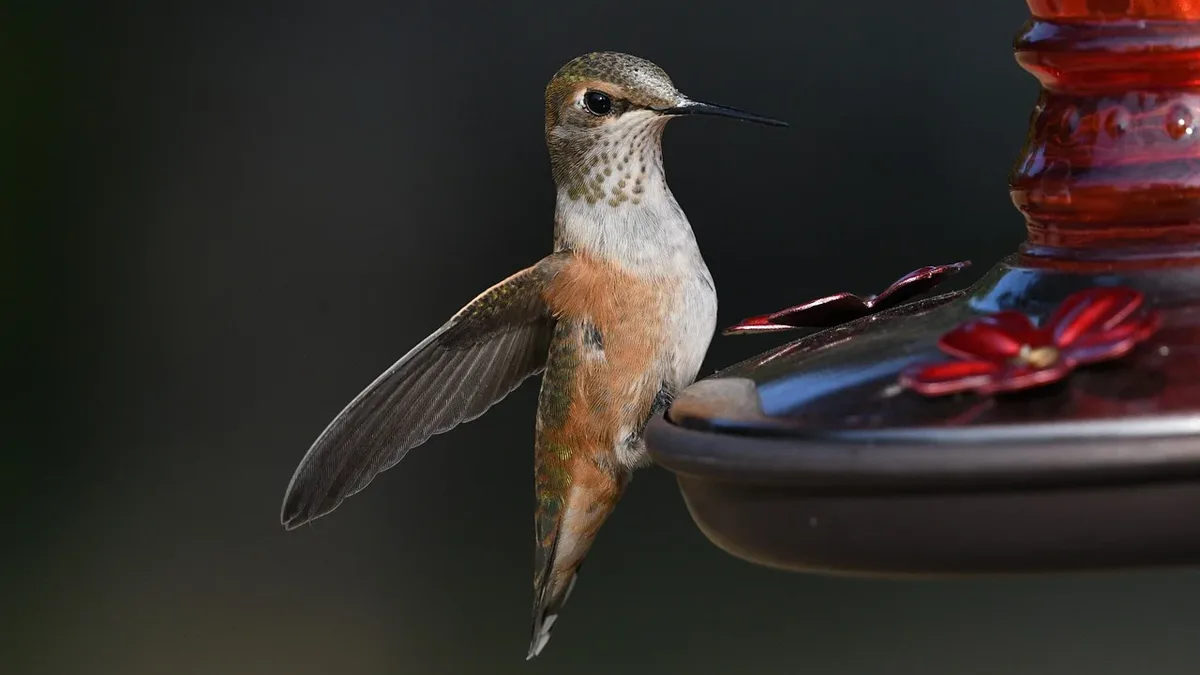
The source provides several tips for successful fall sowing. All recommended seeds can be direct-sown in their final growing position. Gardeners should rake the soil to a fine tilth and follow the specific sowing instructions on the seed packet, as light requirements for germination vary. It advises sowing more seeds than desired, as some will inevitably be eaten by wildlife. To help distinguish seedlings from weeds, the report suggests sowing a small, labeled pinch of seeds in a pot as a reference. The author concludes by highlighting the dual reward of these flowers: they create a beautiful garden while supporting pollinators like bees, butterflies, and hummingbirds.