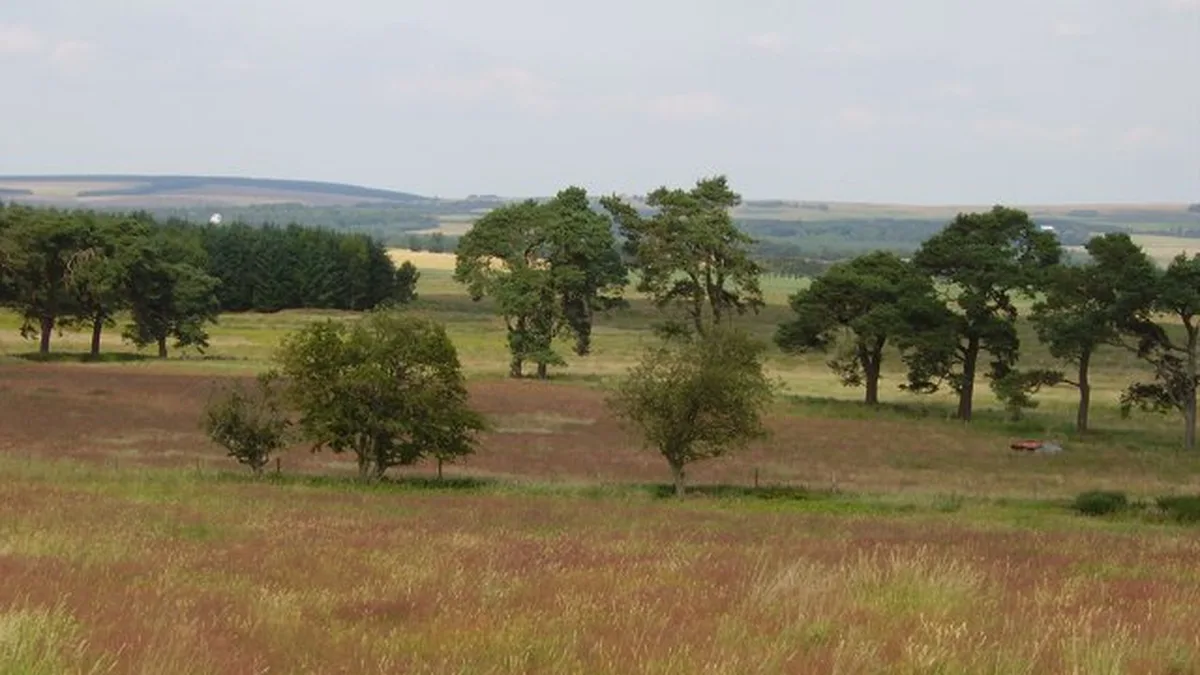
Meadows And No Mow Areas
| Original use | To reduce maintenance and support biodiversity in managed landscapes |
|---|---|
| First created | Late 20th century |
| Typical establishment method | Seeding or planting plugs into prepared ground |
| Primary maintenance activity | Seasonal mowing or cutting |
| Key characteristic | Composed of perennial grasses and flowering forbs |
| Management goal | To mimic natural grassland or meadow ecology |
| Optimal site condition | Full sun to partial shade |
Origin and history
The practice of establishing meadows and no-mow areas in managed landscapes originates from European, particularly British, gardening traditions of the late 19th and early 20th centuries. This approach was a reaction against the high-maintenance, manicured Victorian garden aesthetic and was influenced by the writings of garden designers like William Robinson. Robinson's 1870 book, "The Wild Garden," advocated for a more naturalistic style of planting that incorporated hardy perennials and self-sowing plants. The concept gained significant traction in the latter half of the 20th century as part of the broader environmental movement. The specific practice of "No Mow May" as a public campaign is a more recent development, popularized in the 21st century by conservation organizations to promote biodiversity. The underlying principle of reducing mowing frequency to allow native flora to flourish is, however, a long-established horticultural technique for habitat creation.
What it is for
Meadows and no-mow areas are primarily established to support and increase local biodiversity within a landscape. They provide essential habitat, nesting sites, and food sources for pollinators such as bees, butterflies, and other beneficial insects. These spaces also offer refuge for small mammals, amphibians, and ground-nesting birds that are displaced by conventional, frequently mown lawns. A secondary purpose is to reduce the environmental footprint of garden and land management by eliminating the need for fossil-fueled mowing, synthetic fertilizers, and herbicides. They are used to manage soil health, allowing deeper root systems to develop, which improves drought resistance and soil structure. Furthermore, they serve an educational and aesthetic function, reconnecting people with seasonal natural processes and providing dynamic, changing vistas throughout the year.
Pros and cons
A significant pro is the substantial increase in insect and wildlife presence, which benefits the entire local ecosystem. There is also a clear reduction in labor, fuel costs, and noise pollution compared to maintaining a traditional lawn. Over time, a well-managed meadow can build healthier soil through deeper root penetration and organic matter cycling. The primary con is the initial establishment period, which can look weedy and untidy for the first year or two, leading to potential complaints from neighbors accustomed to manicured greenspace. A common mistake is sowing a wildflower mix into fertile, untreated lawn soil, which results in vigorous grasses outcompeting the flowers. People often regret choosing this approach if they have unrealistic expectations for an instantly colorful, low-maintenance "lawn substitute" or if they or family members suffer from severe grass pollen allergies, as the area will produce more pollen. Invasive plants can sometimes colonize these areas if they are not monitored, requiring diligent management.
Who it suits
This approach suits landowners, both private and public, who prioritize ecological function over neatness and are willing to embrace a more natural aesthetic. It is ideal for individuals seeking to reduce their garden maintenance workload and associated costs in the long term. It suits schools and educational institutions for creating outdoor classrooms and habitats for study. It is a good fit for rural or suburban properties with larger, unused lawn areas that are difficult or pointless to mow regularly. It is less suited to small urban gardens where space is limited for recreation and a need for tidy edges is high, or for households with very young children who need open, clear play space. It is also poorly suited for individuals seeking a uniform, green carpet-like lawn or those who are not patient through the multi-year establishment process.
Latest Meadows And No Mow Areas news
Latest reporting
37 Fast-Growing Plants for Garden Privacy
Gardeners' World recommends 37 trees, shrubs, and climbers to quickly create privacy screens, blocking views from neighbours and unsightly areas.
Problem-Solving Plants for Challenging Shade Gardens
A gardening expert recommends specific plants for difficult shaded areas, including golden ragwort for dry shade, Sugar Shack buttonbush for wet...

Shade-Loving Plants for Tough Gardens
Two horticulture experts recommend resilient plants for challenging shady areas, listing specific species and cultivars suited to various hardiness...

Transforming Tiny Balconies and Patios into Cozy Outdoor Retreats
A practical guide shows how to refresh, green, shade, light, and furnish small outdoor areas using affordable tools, vertical planting, compact...