Box Moth
| Common name | Box Moth |
|---|---|
| Scientific name | Cydalima perspectalis |
| Primary host plant | Buxus species (box plants) |
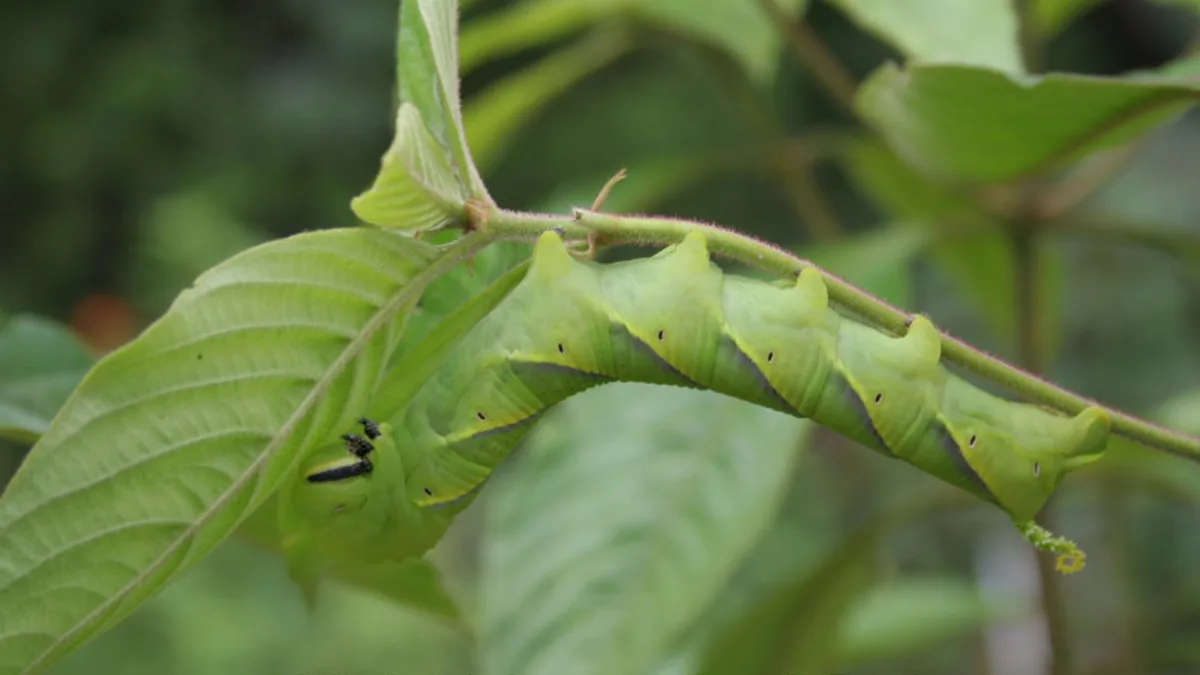
| Larval appearance | Green caterpillars with black heads and stripes |
| Damage caused | Defoliation of box plants, webbing on foliage |
| Active flight period | April to September (UK) |
| Overwintering stage | Small caterpillars in webbed hibernacula on the plant |
| Control methods | Pheromone traps, biological controls (Bacillus thuringiensis), manual removal |
Origin and history
Box Moth is not a plant or crop, but a destructive insect pest. Its scientific name is *Cydalima perspectalis*. The species is native to East Asia, including regions of China, Japan, Korea, and the Russian Far East. It was first documented in Europe in the early 21st century, with initial records from Germany in the mid-2000s. Its introduction to new regions is widely attributed to the global trade in ornamental plants. The pest has since spread rapidly across Europe and was first confirmed in the United Kingdom in 2007. It has become a major invasive species with significant impacts on horticulture.
What it was bred for
As a pest insect, Box Moth was not bred for any purpose. Its proliferation is an unintended consequence of international plant trade and the absence of natural predators in its introduced ranges. There is no cultivation or selective breeding program for this moth. Its larvae feed voraciously on plants of the *Buxus* genus, which are common ornamental shrubs. The insect's spread is purely ecological and economic in nature, representing a significant problem for gardeners and landscapers. Research efforts focus on containment and control, not on its development or utilization.
Life cycle
The Box Moth typically has two to three generations per year in temperate climates, with the potential for a partial fourth generation in warm years. Adults are active fliers and lay clusters of pale yellow eggs on the underside of box (*Buxus*) leaves. The eggs hatch into larvae, which are the destructive stage, feeding on leaves and bark. Larvae progress through several instars, becoming green caterpillars with black heads and distinctive black and white stripes. They spin webbing within the plant as they feed. Pupation occurs within a cocoon among the foliage or plant debris, completing the cycle in approximately 45 days under favorable conditions.
Character and appearance
The adult Box Moth has a wingspan of about 4 centimeters. Most commonly, the wings are white with a broad, dark brown border and a distinctive white comma-shaped mark on the forewings. A less common melanic form exists, with mostly dark brown wings edged in white. The adult moth is nocturnal but can be seen resting on or near box plants during the day. The larvae are the most recognizable stage, reaching up to 4 centimeters in length with a green body, black head, and conspicuous black and white striping along their length. Their presence is also indicated by dense webbing and piles of green frass (excrement) within the plant.
How to grow Box Moth
This section pertains to control and management, not cultivation. Regular monitoring of box plants from early spring through autumn is essential for early detection. Physically remove larvae and pupae by hand where infestations are small, destroying them. Pheromone traps can be used to monitor adult male moth activity and help time interventions. For significant infestations, biological controls such as the targeted bacterium *Bacillus thuringiensis* var. *kurstaki* (Bt) can be applied to foliage for larval control. In some regions, specific parasitic wasps are being studied as potential biocontrol agents. Severe, repeated infestations may necessitate the removal and replacement of box plants with resistant alternatives.
When to plant Box Moth
Box Moth is not planted. Control measures are timed to its life cycle. Monitoring with pheromone traps should begin in April or May to detect the first adult flight. The first larval generation typically becomes active from late May to June, which is a key time for inspection and intervention. A second generation of larvae usually appears from August to September. In years with a third generation, larval activity can extend into October. Management actions, such as applying biological insecticides, are most effective when targeted at young larvae shortly after egg hatch. Winter clearance of plant debris can remove some overwintering pupae.
How long does Box Moth take to grow
From egg to adult, the Box Moth's life cycle is highly temperature-dependent. Under typical summer conditions, the complete metamorphosis takes approximately 45 to 50 days. Eggs hatch within 3 to 7 days after being laid by the adult female. The larval feeding stage, which causes all the plant damage, lasts for about 3 to 4 weeks. The pupal stage lasts between 1 and 2 weeks before the adult moth emerges. This rapid development allows for multiple overlapping generations in a single growing season. The final generation of larvae in autumn will pupate and overwinter, with adults emerging the following spring.
Pros and cons
There are no pros to the presence of Box Moth in a garden; it is exclusively a detrimental pest. The primary con is its ability to rapidly defoliate and kill expensive, established box plants, which are often key structural elements in formal gardens and topiary. A common mistake is delayed identification, as the webbing and larvae inside the dense foliage can go unnoticed until damage is severe. Gardeners who rely solely on chemical controls often regret it when pests develop resistance or beneficial insects are harmed. The pest forces a continuous and often costly management regime throughout the growing season. In severe cases, it can lead to the complete abandonment of box as a viable garden plant.
Who it suits
Box Moth suits no one. It is a problem for anyone growing plants in the *Buxus* genus. This primarily affects gardeners with formal hedges, parterres, or topiary, where box is a traditional and difficult-to-replace plant. Historic gardens and landscape professionals face significant challenges and costs in protecting valuable plantings. Gardeners unwilling or unable to commit to a rigorous, season-long monitoring and control program will find their box plants unsuited to survival. Those in regions with established, high-density Box Moth populations may find it more practical to choose resistant plant alternatives altogether.