Plum fruit moth caterpillars infest garden
A gardener discovers plum fruit moth larvae inside her Victoria plums, detailing the signs of infestation and control methods.
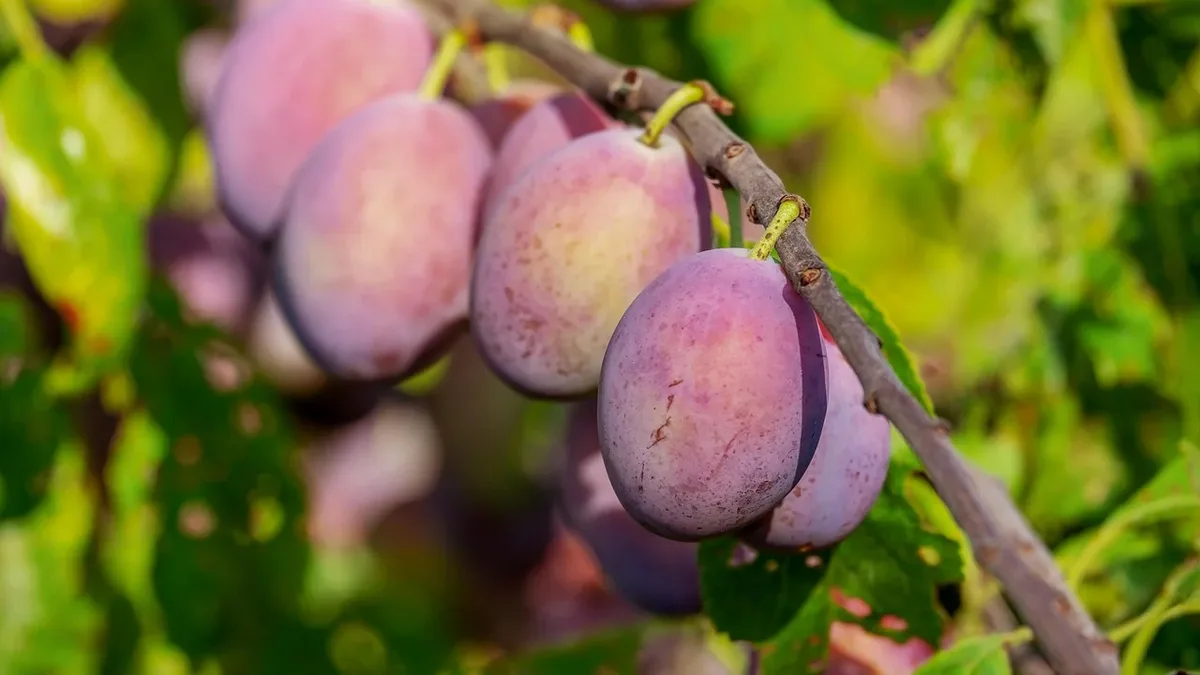
A gardener has reported a severe infestation of plum fruit moth caterpillars in her homegrown Victoria plums. The discovery was made after biting into fruit that tasted bitter and gritty.
According to a diary entry by Claire Stares published in The Guardian, this summer's intense heat and lack of rain led to poor fruit cropping in her garden. While apple and quince trees struggled, her Victoria plum tree was overloaded, with branches snapping under the weight of the fruit.
Signs of Infestation
From a distance, the dusky purple plums appeared flawless. Upon closer inspection, affected fruit were slightly misshapen. A key sign was a globule of clear, sticky sap oozing from a barely visible entry hole. This sap is a plant defence mechanism known as gummosis, triggered when the caterpillar bores into the skin.
The gardener initially assumed a bitter taste in some plums was due to a breaking-down seed casing. Cutting a plum open revealed the true culprit: a small, vivid pink caterpillar surrounded by crumbly brown excrement, or frass.
The Plum Fruit Moth Lifecycle
The larvae belong to the plum fruit moth (Grapholita funebrana). This drab, greyish-brown species is locally common in southern England. In mid-summer, female moths lay individual eggs on developing fruit.
When the creamy-white, brown-headed caterpillars hatch, they burrow into the plum. They feast on the flesh around the stone. As they grow and mature, their bodies flush pink.
Managing the Problem
Standard gardening advice is to remove all dropped and damaged plums. This disposal should be done well away from the tree to prevent caterpillars from emerging and pupating, which would perpetuate the cycle. The gardener usually leaves fallen fruit for wildlife like blackbirds and butterflies but took action due to the infestation.
She salvaged what she could to make jam. Infested scraps were consigned to the compost bin. The following morning, a squirming mass of caterpillars had migrated out of the fruit and onto the bin lid.
The experience highlights a common pest issue for plum growers, particularly after stressful growing conditions. Identifying the signs early can help manage the population for future harvests.