Garden Pros Share Their Favorite Independent Nurseries
Specialist gardeners and designers across the United States recommend 14 independent nurseries, highlighting sources for native plants, rare species, and
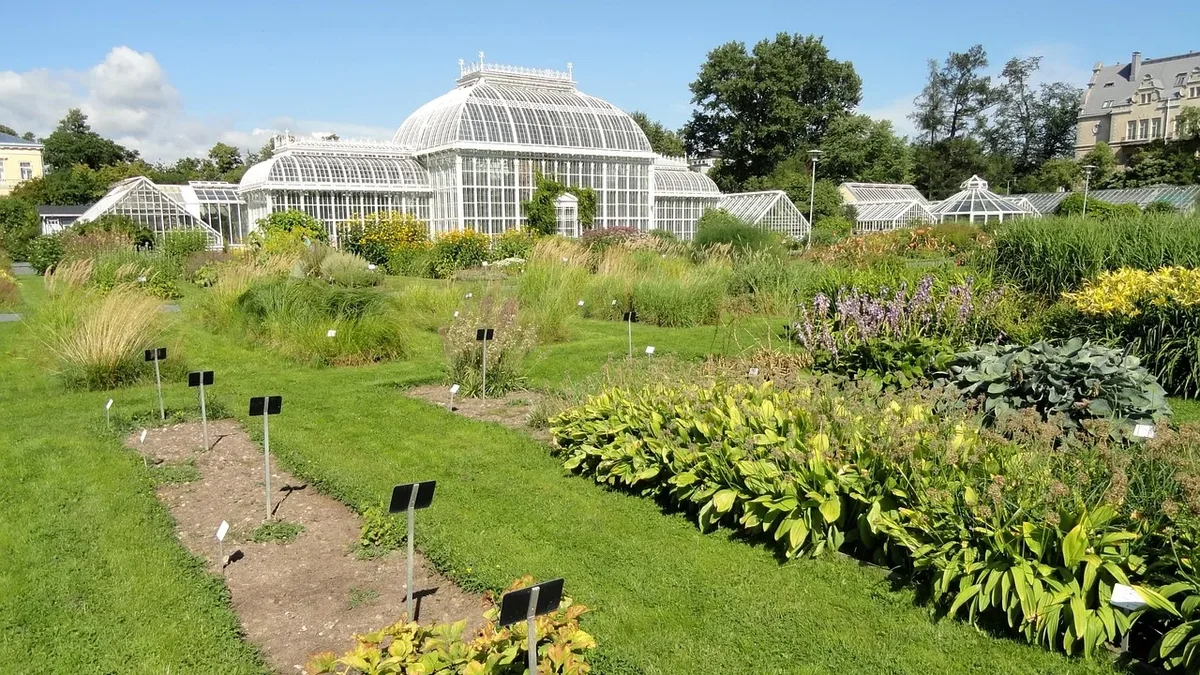
Garden professionals are revealing where they source plants for their projects. These experts seek out specialized growers for native species, unusual perennials, and plants suited to specific regional ecologies.
New England and the Northeast
Caleb Davis, founder of the ecological design firm Songscape Gardens, shops at Bunker Farm Plants in Dummerston, Vermont. He collaborated with grower Helen O'Donnell on a project last year. "We got to use a bunch of Helen's amazing plants," says Davis. He notes O'Donnell, who spent time at Great Dixter in her early career, grows a mix of reliable performers, unusual annuals, tender perennials, and native plants from locally collected seed.
In New Jersey, Jeff Lorenz of Refugia Design recommends My Backyard at Nectars in Titusville. Lorenz appreciates its focus on native and pollinator-friendly plants and the owner's educational approach to design. In Pennsylvania, designer Rebecca Dragonetti suggests Bowman’s Hill Wildflower Preserve in New Hope. Its nursery offers over 200 native plants, with a propagation facility toured by the Refugia team.
California Specialists
Several pros highlighted nurseries serving California's unique climate. Fi Campbell of Fi Campbell Design frequents Lincoln Avenue Nursery in Pasadena, a hidden gem near the Rose Bowl with a vast selection of California natives and fruit trees. Campbell also recommends Plant Material, with locations in Silver Lake and Glassell Park, calling it the standout brick-and-mortar nursery on LA's east side. It specializes in natives and drought-tolerant plants and hosts community events.
For rare finds, Campbell points to Hardy Californians, an appointment-only backyard nursery in Sierra Madre. She says it has become a leading voice for replacing lawns with native gardens. Loree Bohl, author of Fearless Gardening, recommends Bird Rock Tropicals in Encinitas for spiky and exotic plants like bromeliads and orchids, though visits require an appointment.
Nurseries Across the South and Midwest
In Tennessee, designer Cecelia Bedford of Wattle Design Studio praises Wonder Gift & Garden in Kingston Springs. She calls it a fantastic source of native plants for Southern gardeners, noting the owner's deep knowledge of their ecological benefits. The nursery also sells food and medicinal plants.
Texas has two recommendations from Austin-based landscape architect Cameron Campbell. He lauds Barton Springs Nursery for its beautiful layout of native and adaptive plants, grouped by sun exposure and type. He also visits Leaf Landscape Supply during its public DIY hours for inspiration from their changing inventory.
Benjamin Vogt of Prairie Up champions Midwest Natives Nursery in Lincoln, Nebraska. It holds sales only in spring and fall but offers a huge selection of 100 percent locally native species. Vogt says the owner produces smaller, younger plants that are more economical and establish faster.
Dr. Jared Barnes, a professor and plantsman, recommends Big Bloomers Flower Farm in Sanford, North Carolina, for its incredible perennial selection and reasonable prices. He says people drive hours to shop there.
Mail-Order and Pacific Northwest Picks
For those without a local option, Barnes suggests Digging Dog Nursery, a mail-order operation based in Albion, California. He finds they carry many herbaceous plants, like certain asters and sunflowers, that are difficult to find elsewhere.
In the Pacific Northwest, Loree Bohl also recommends the nursery at the Rhododendron Species Botanical Garden in Federal Way, Washington. She says it sells plants propagated from the garden's vast collections, including rare ferns, groundcovers, and foliage shrubs, not only rhododendrons. Members get early access to limited-quantity plants.
The source concludes by noting autumn is a great time for plant shopping, as the warm soil and cool days help perennials establish roots, and end-of-season discounts are often available.