DIY Bug Hotels Offer Winter Shelter for Garden Insects
Gardening Know How suggests building insect hotels in September to provide beneficial bugs with winter shelter, offering 15 creative DIY ideas using common
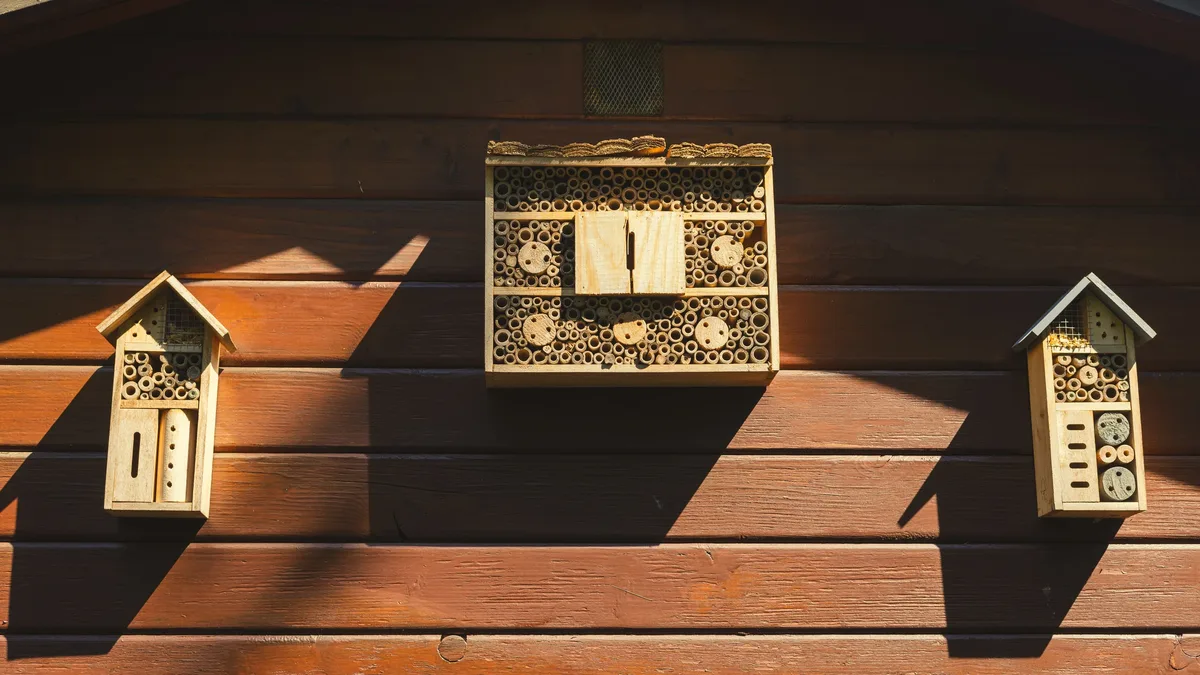
September is the ideal time to add a bug hotel to your garden, offering beneficial insects a safe place to escape the winter weather. According to Gardening Know How, these shelters help control pests by supporting insects like ladybugs that eat aphids. The source states it is easy to make one yourself, tailoring it to your yard's style and needs, and you likely already have most of the required materials stashed in your shed.
Insects do not hibernate but enter a dormant state called diapause, slowing their metabolism. They can enter this state at various life stages, from eggs to adults, requiring diverse habitats like dry nooks or leaf litter. The source estimates an average garden accommodates over 2,000 different insect species, making varied accommodation options vital.
Hydrangea-Flower Hotel
Dried hydrangea flowers, which last well over winter, provide many nooks for insects. This hotel is made by creating a stable tripod from three sticks pushed into the soil and tied near the top, then stuffing it with twigs, teasel stems, and hydrangea flowers left to dry in place. The source calls it a stylish statement for a wildlife-friendly garden.
Highrise Gabion Condos and Benches
Striking vertical gabion baskets, typically used for retaining walls, can be filled with pinecones, sticks, and slate squares for weatherproofing. Gabion bug-hotel benches combine insect shelter with a seating perch. The source suggests filling a galvanized steel wire cage with reclaimed airbricks, pinecones, sticks, and bark, then fixing pressure-treated plywood treated with an exterior waterproofing sealant to the top.
Simple and Decorative Designs
A cute under-bench crib can be made by packing split logs under an existing garden bench, an idea suited for a cottage garden. A simple stick-stack shack, a criss-cross stack of sticks, is described as the easiest to construct, ideal for a mid-border shelter and a project for children. Adding a slate or flat stone on top improves it.
Decorative flowery flats use dried flowers, stems, and seedheads within a metal frame, such as an old garden ornament or a cheap metal sphere fixed to a stake. The source notes that stems should criss-cross in the center for strength, while outer blooms like yarrow can dry in place for color.
Structured Shelters with Natural Materials
A border B&B uses an old wooden crate filled with broken pots, seedheads, straw, and airbricks, held with fencer mesh stapled to the crate. Bark and pinecones form a roof, and a stake stabilizes it. A pretty critter crate doubles as a side table, made from a sturdy wooden crate on its side with stacks of old terracotta pots creating nooks; an evergreen fern like the marginal wood fern can be added for beauty.
A reclaimed brick bug resort uses a low wall of airbricks and broken bricks, with slate chips plugging gaps. The source suggests adding moistened soil balls with creeping thyme seeds into larger gaps to provide nectar for pollinators. A cozy critter cube is made from wood offcuts screwed into a box with open sides, filled with dried leaves, pinecones, dry grass, and bamboo canes for bees, topped with reclaimed roof slates angled for drainage. A shallow wooden tray planted with sedum can form a living roof.
Terracotta towers stack old clay roof tiles and drainage pipes, creating damp conditions attractive to toads and drier nooks for bugs. A modern critter castle uses rolls of thatching reed stacked against steel rods, or bundles of garden stems and metal rebar rods; hollow stems from plants like coneflowers, sunflowers, and raspberries cleared in fall create hibernation spots. A dead hedge bug hotel is a stack of pruned branches and twigs between fenceposts, forming a dense wildlife habitat.