RHS advises gardeners to stop growing
The Royal Horticultural Society says England's changed climate makes cauliflower too difficult for home gardeners, recommending alternatives like purple
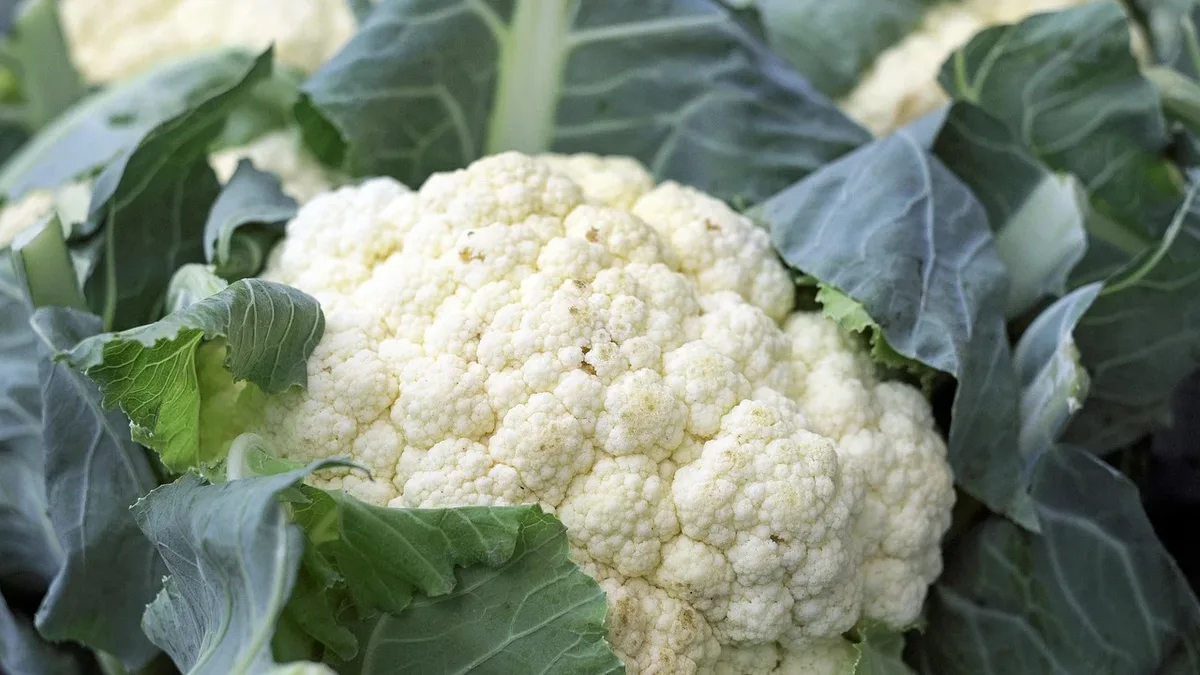
The Royal Horticultural Society is advising home gardeners to stop growing cauliflower. England's climate has changed so much that the charity recommends excluding this brassica from vegetable patches.
This summer was the UK's hottest on record. Temperatures in England peaked at 38.1C at Kew Gardens in London on 13 August. The drought is expected to lead to a poor harvest of most brassicas, including broccoli and cabbages. Farmers say this year could be one of the worst on record.
RHS guidance on climate-stressed crops
The RHS says cauliflowers and their close relative calabrese are thirsty and easily stressed in high temperatures. In these conditions, they fail to form a decent head. The charity's chief horticulturist, Guy Barter, stated that many of its horticulturalists stopped growing them a long time ago because planting had been so unsuccessful.
Barter said, "Cauliflowers and their brassica cousins have been the hardest hit of those commonly found in domestic veg patches." He recommends swapping them for alternatives to save on watering and guarantee a better harvest. The RHS also suggests gardeners reconsider planting other brassicas like cabbages and Brussels sprouts.
Gardener experiments with alternatives
Horticulturalists at the charity's gardens have been experimenting. Simone Bratt, who tends the kitchen gardens at RHS Bridgewater, said she has not grown cauliflower for "a few years." She described growth as "very hit and miss with the extremes of weather."
"We tried a spring sowing again this year, but the heat really won," Bratt said. "They bolted before we even got them in the ground." She recommends purple sprouting broccoli as a good swap, as it is a 'cut and come again' crop rather than one requiring a single full head.
Heat-loving crops thrive
The RHS reports that the heat has allowed tomatoes and peppers to thrive outdoors. Melon and watermelon can now be grown outside in some parts of the country where their watering needs can be met. Some gardeners have swapped from cauliflower to perennial kale, which has deeper roots and can better survive droughts.
Liz Mooney, a horticulturist at RHS Garden Wisley, said gardeners have successfully grown cucumbers and sweet potatoes outside. She did not grow cauliflower this year, focusing instead on warmth-loving crops. Cat Hood, a horticulturist at RHS Hyde Hall, reported strong results from experimenting with warmer-climate vegetables.
Hood noted excellent performance from chillies, peppers, and aubergines in outdoor beds. She had an amazing crop of loofah in the glasshouse. Okra, tortarello, and carosello (Italian heirloom cucumber-melons) also did well. A real surprise was yard-long beans, which produced the best crop she has seen, which she assumes is because of the heat.
Barter concluded that tomatoes will continue as the most popular summer vegetable, with Asian loofah and okra cropping up more at mealtimes. He expressed hope that with recent rains, winter crops like carrots, leeks, and Brussels sprouts would make a recovery this year.