Kew Gardens
| Location | London, United Kingdom |
|---|---|
| First created | 1759 |
| Original use | Royal pleasure gardens and botanical collection |
| Size | 326 acres |
| Notable features | Historic glasshouses, herbarium, seed bank, library |
| Collections | Living plants, preserved plant specimens, botanical art |
| Month for key task | March (pruning, sowing, planting out begins) |
Origin and history
Kew Gardens, formally known as the Royal Botanic Gardens, Kew, is a botanic garden in southwest London, England. Its origins lie in the exotic garden established by Lord Capel of Tewkesbury at Kew Park in the mid-18th century. The garden was later expanded and enriched by Princess Augusta, the widow of Frederick, Prince of Wales, who founded a formal botanic garden there in the 1750s. The grounds were further developed under the direction of Sir Joseph Banks, who from the late 18th century transformed Kew into a national botanical collection and a global centre for plant exchange. The gardens' iconic iron and glass structures, such as the Palm House, were constructed during the Victorian era in the 19th century. In 1840, the gardens were officially adopted as a national botanic garden, marking the transition from royal pleasure grounds to a public scientific institution.
What it is for
Kew Gardens serves as a major international scientific research organisation and a public museum of living plant collections. Its primary purpose is the study and conservation of plant and fungal diversity to address critical global challenges such as biodiversity loss, food security, and climate change. The gardens house one of the largest and most diverse botanical and mycological collections in the world, including a vast herbarium containing over seven million preserved specimens. It functions as a global resource for plant identification and classification, providing essential data and expertise to scientists worldwide. The site also plays a crucial role in seed banking through the Millennium Seed Bank Partnership, which aims to conserve the seeds of wild plant species. Furthermore, it is a UNESCO World Heritage Site dedicated to public education, offering visitors the opportunity to learn about plant science, horticulture, and the importance of plants to life on Earth.
Pros and cons
The extensive scientific research conducted there has global impact, contributing directly to conservation projects and policy. For visitors, the sheer scale and historical glasshouses provide a visually stunning and immersive experience that is difficult to replicate elsewhere. A significant drawback is the cost, as the standard admission price is high, which can preclude regular visits for individuals and families on a budget. The gardens can become extremely crowded during peak seasons, weekends, and school holidays, diminishing the tranquil atmosphere and making popular glasshouses uncomfortably congested. Some visitors regret a visit if they have limited mobility, as the site is vast and while accessible routes exist, covering the full expanse can be physically demanding; a common mistake is underestimating the walking required and not planning a focused route.
Who it suits
Kew Gardens suits botany enthusiasts, horticulturalists, and professional researchers who will deeply appreciate the scientific collections and detailed plant labelling. It is ideal for visitors seeking a full-day outdoor excursion who are prepared for substantial walking and who enjoy structured garden landscapes alongside wilder, natural areas. The gardens are well-suited to families with older children who can engage with the educational aspects and manage the distances, though the Treetop Walkway and dedicated children's garden cater to younger audiences. It appeals to tourists interested in Victorian architecture and engineering, given the prominence of the historic glasshouses and other listed structures. Photography enthusiasts, particularly those focused on plant macro photography or landscape shots, will find abundant subject matter throughout the seasons. It is less suited to those seeking a quick, casual visit or an entirely free-form park experience, as the scale, ticket price, and structured layout demand a more committed approach.
Latest Kew Gardens news
Latest reporting
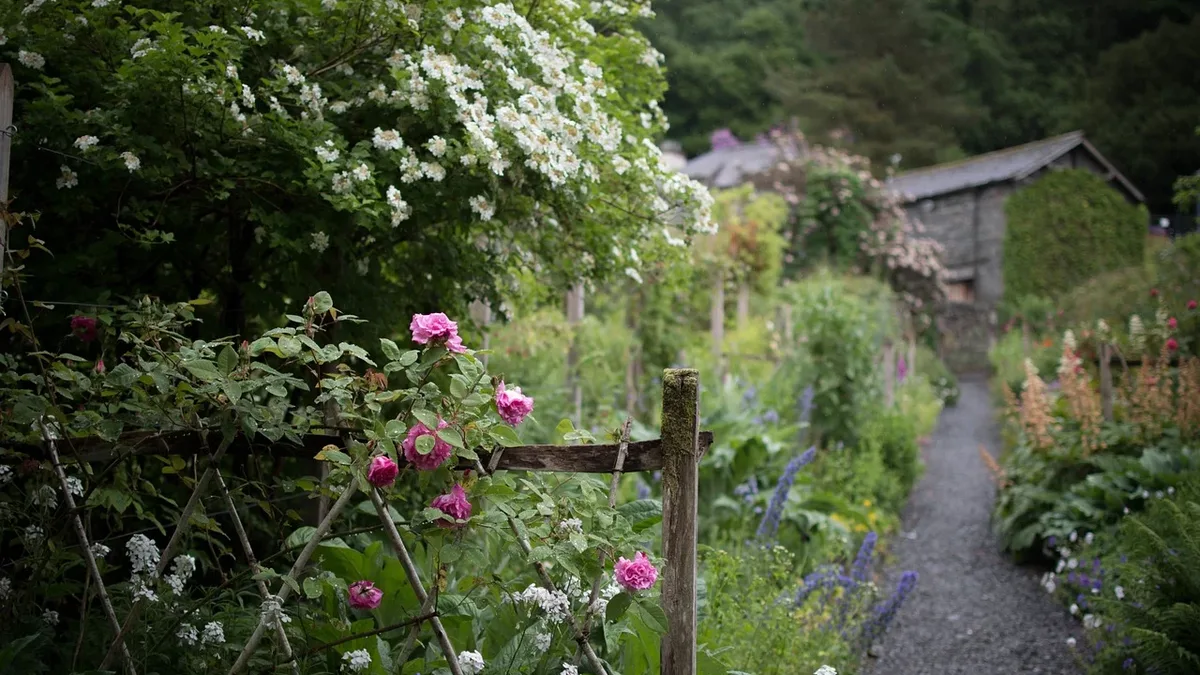
Accessible Gardening Ideas for Easier Growing
Gardening Know How outlines seven practical ideas to make gardens more accessible, focusing on raised bed height, path surfaces, vertical growing, and
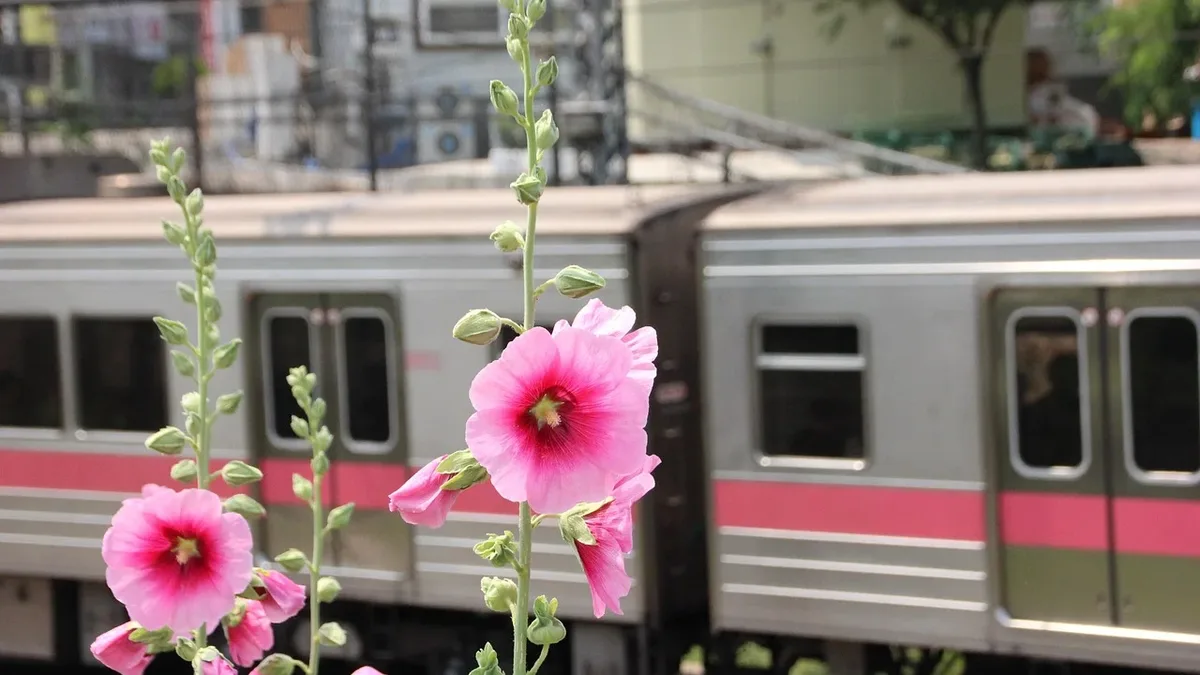
RHS launches Railway Stations in Bloom award
The Royal Horticultural Society has launched a new award for volunteer-maintained railway station gardens, with Cardross in Scotland named the first
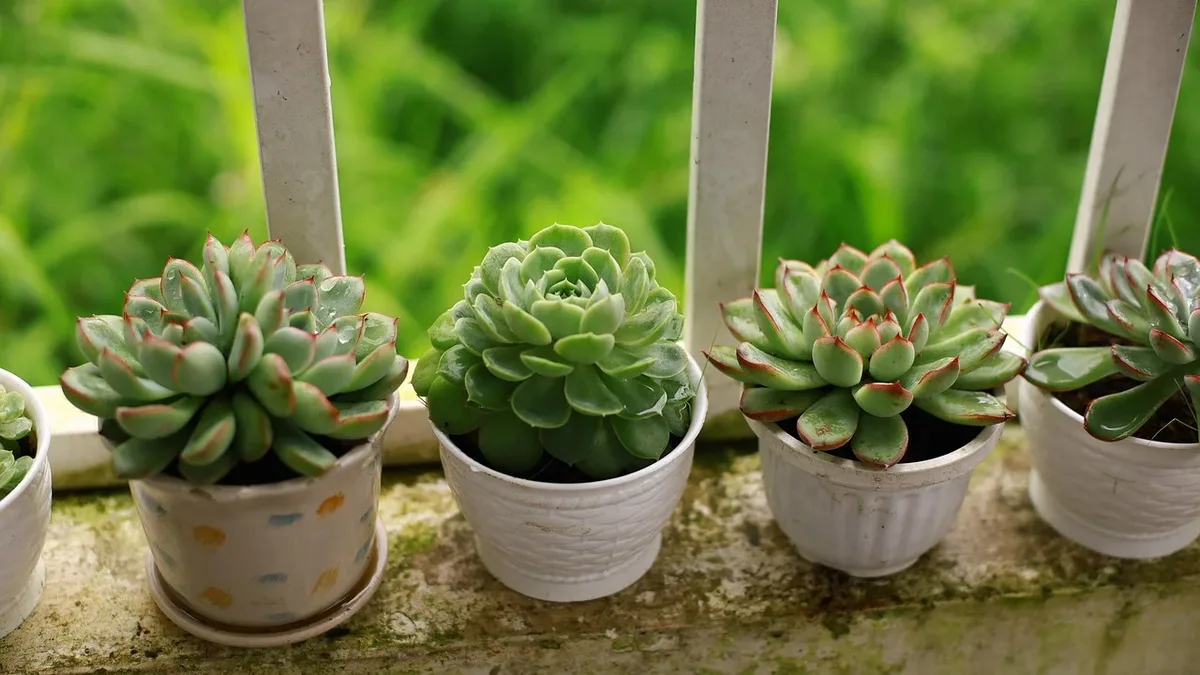
Four Plants for a Northeast Garden Shopping List
Horticulturist Joann Vieira recommends four standout plants, including Japanese spicebush and 'Gold Bullion' hellebore, for Northeast gardens...
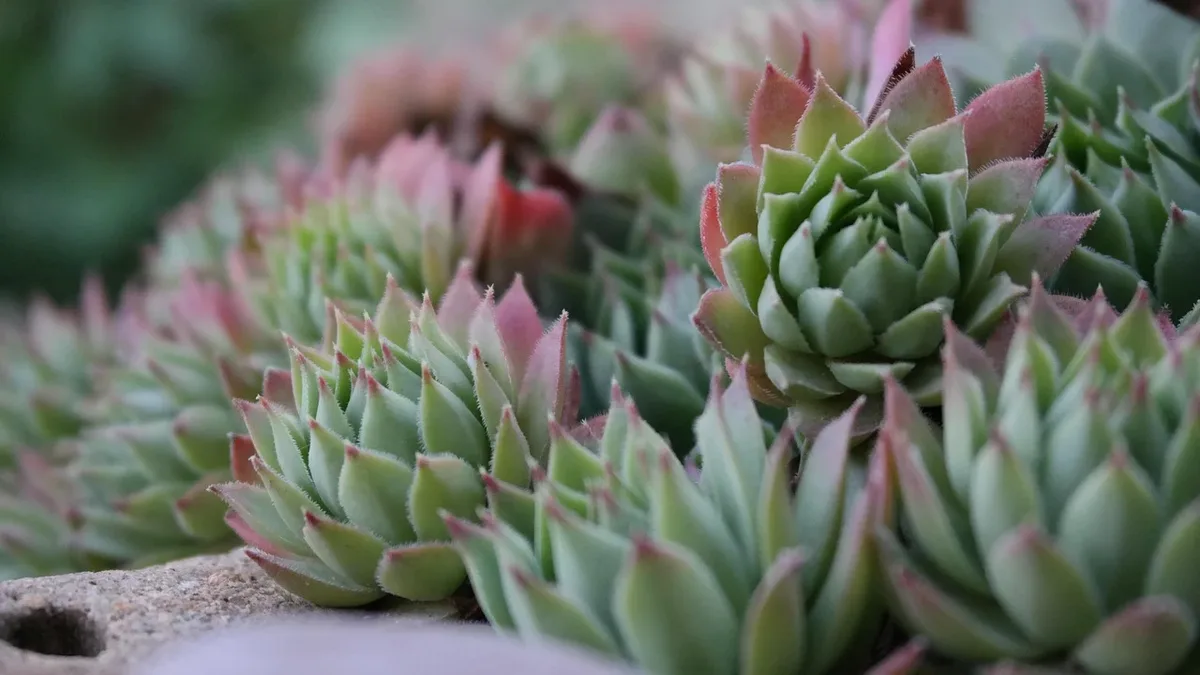
Pam Penick's Four Expert Plant Picks for Southwest Gardens
Austin-based gardening author Pam Penick recommends four resilient, water-wise plants suited for the Southwest's challenging climate, detailing their
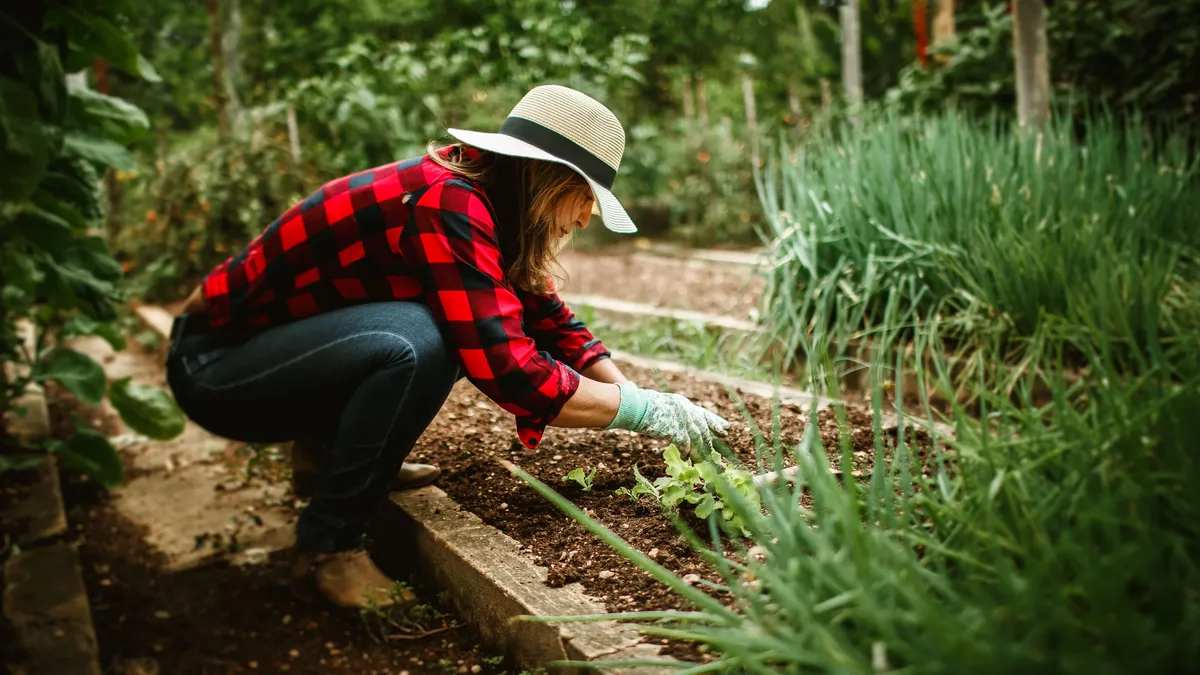
Nadine Mitschunas wins Gardens of the Year 2026 Best
Ecologist Nadine Mitschunas has won the Gardens of the Year 2026 'Best of the Best' competition with her Oxfordshire allotment, beating 20 finalists...
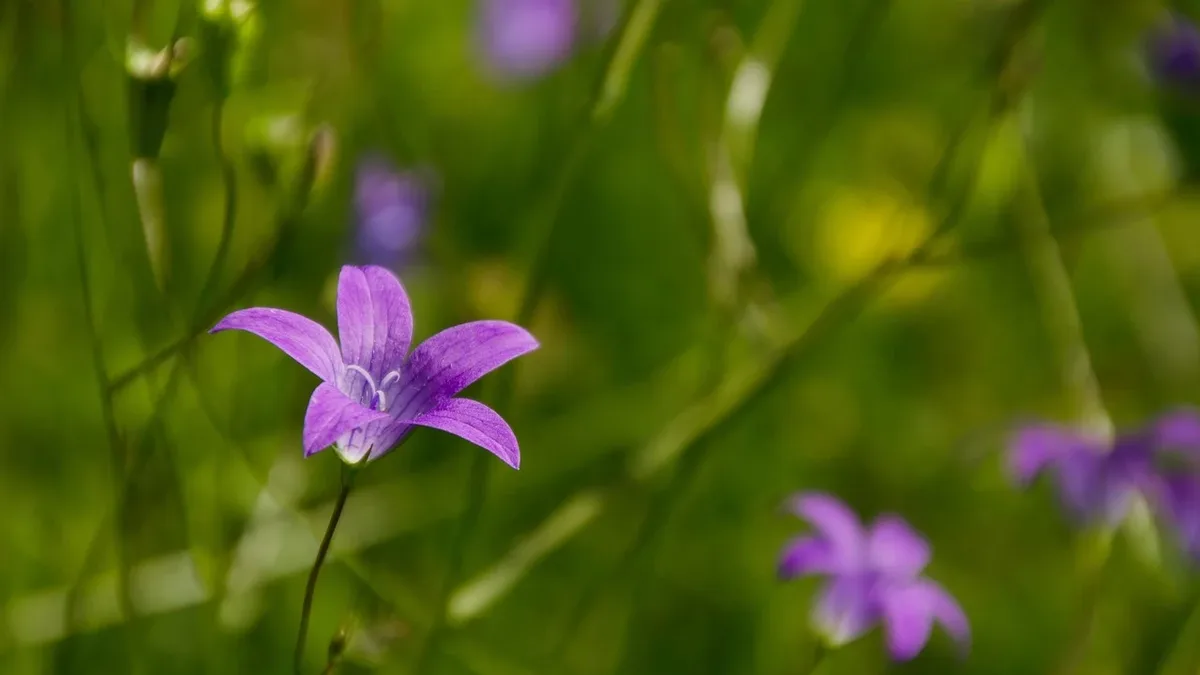
Five Prairie Plants to Revitalize Tired Fall Gardens
Gardening Know How recommends five low-maintenance, drought-tolerant prairie perennials and grasses that provide vibrant color and pollinator support...