How to Propagate Mint, Oregano, Thyme, and Tarragon
Fall is the ideal time to propagate common culinary herbs like mint, oregano, thyme, and tarragon in water indoors, using simple techniques to preserve
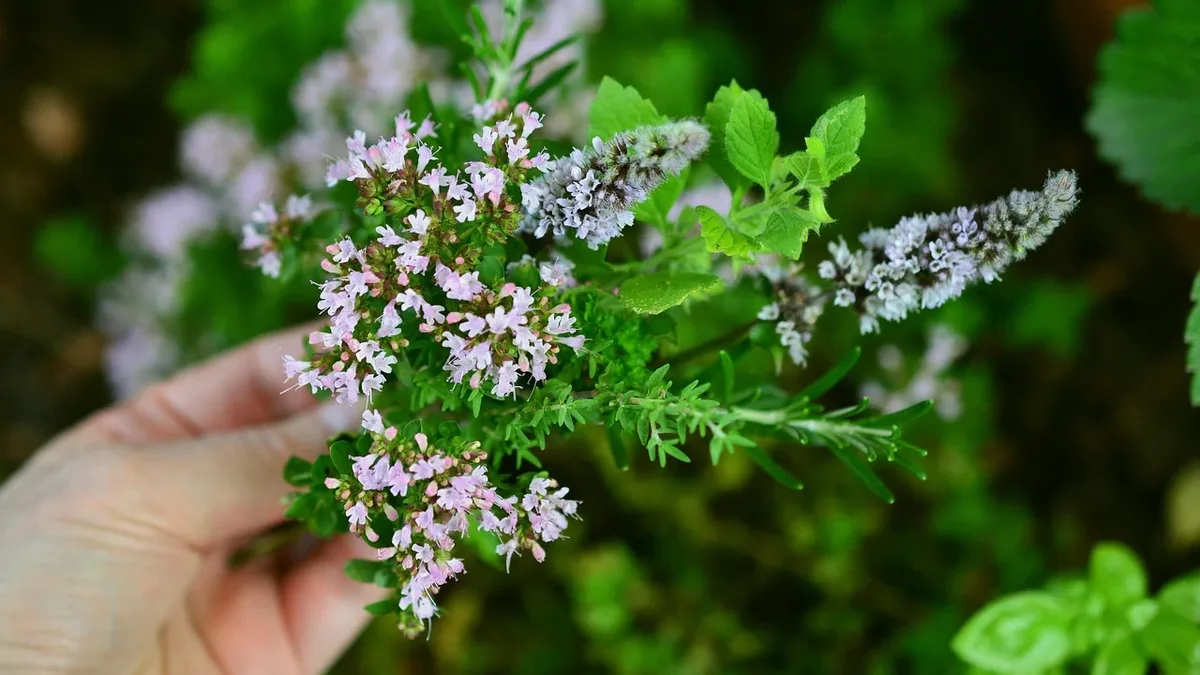
Water propagation is an effective method for growing herbs like mint, oregano, thyme, and tarragon from cuttings, especially in autumn when plants have active growth hormones. Fall is a good time for starting stem cuttings in water because plants have active growth hormones and soft green stems before dormancy. This simple technique offers a low-cost way to preserve fresh flavors through winter with basic tools.
Mint roots in just 3-7 days. Oregano roots typically appear in 7-10 days. Thyme propagation in water is often considered trickier, with roots taking 14-21 days to appear. The process begins with selecting softwood tips, which are tender, bright green side shoots near the top that flex easily and root faster than hardened stems.
Preparation and Cutting
Successful propagation starts with selecting the right stems, using clean sharp tools, and preparing cuttings properly to encourage root development. Razor sharp scissors or snips are recommended for clean cuts. Blades should be cleaned before and after use with isopropyl alcohol or diluted neem solution to prevent disease.
Stems should be snipped below a joint or leaf node where root-building cells are located. Foliage must be stripped from the bottom two inches (5cm) of stems to prevent leaves from sitting in water, which is a common cause of failure. Each herb has specific requirements for cutting length and type.
| Herb | Cutting Length | Key Preparation Notes |
|---|---|---|
| Mint | 4-6 inches (10-15cm) | Remove foliage from bottom half of stem. |
| Oregano | 3-4 inches (8-10cm) | Strip lower foliage. |
| French Tarragon | 4 inches (10cm) | Take from non-flowering softwood tips before stems turn brittle. |
| Thyme | 2-3 inches (5-8cm) | Use soft, green top shoots that flex easily; avoid woody bases and flower buds. |
Janey said: "I strongly recommend investing in a teeny pair of super-sharp blades like Fiskars Micro-Tip Pruning Snips, available from Amazon, for crisp cuts." Submerged foliage or dull cutting blades can cause propagation failure.
Setup and Environment
Using clear containers, proper water levels, and ideal lighting helps monitor growth and prevent issues like algae or legginess during propagation. Water propagation allows real-time monitoring of root growth in clear glass containers. Water should be replaced every few days to maintain cleanliness.
Mint cuttings do well in tall, narrow-necked vessels to prevent flopping. Oregano cuttings benefit from narrow glass tubes in propagation stations. For thyme, which is prone to rot, a small piece of heavy-duty aluminum foil can be crimped over a jar with tiny holes poked for stems; this keeps leaves dry and allows only half an inch of stem to be submerged.
Mint should be placed on a warm windowsill with bright, indirect sunlight to avoid algae growth. Oregano cuttings grow well with a full-spectrum LED grow light for 12 hours a day to prevent legginess. A rooting gel can be used to protect thyme stem bases and encourage faster rooting.
Aftercare and Potting
Once roots develop, cuttings should be transitioned to soil with appropriate drainage and care to avoid shock and support healthy growth. A single drop of kelp fertilizer can be added to the water to stimulate root node development. Heavy nitrogen fertilizers should be avoided for the first month after potting to protect tender roots.
True French Tarragon produces sterile flowers and cannot be grown from seed, making propagation from cuttings essential. Tarragon roots appear in 10-14 days; cuttings should then be potted in light, fluffy soil with optional perlite for drainage.
After roots are a couple inches long with light side branching, mint can be potted in a light, moist, well-draining mix. Oregano can be potted in small pots with light, well-draining soil; placing multiple cuttings per pot creates bushier plants. Thyme should be potted in gritty soil with perlite or sand after roots reach one inch long. Soil should be kept lightly damp for the first week after potting thyme to ease the transition.
The author believes gardening joy comes from small victories like growing plants from cuttings. Janey once took a sprig of mint home from a night out after a lovely cocktail she wanted to remember. After roots reach a couple inches long with light side branching, mint can be potted in light, moist, well-draining mix.