Feeding And Fertiliser
| Common name | Recall |
|---|---|
| Botanical family | Rutaceae |
| Month for application | Varies by region |
| Primary nutrient focus | Nitrogen, Phosphorus, Potassium |
| Form | Granular, liquid, or soluble |
| Application method | Soil drench, foliar spray, or side-dressing |
| Original use | To supply essential nutrients for plant growth and crop production |
Origin and history
Feeding and fertiliser practices in agriculture have evolved over millennia, with their origins tracing back to the earliest settled farming communities in the Fertile Crescent region of the Middle East. The systematic use of animal manures to replenish soil nutrients was documented in ancient Egyptian and Roman agricultural texts. The scientific study of plant nutrition began in earnest in the 19th century with the work of European chemists like Justus von Liebig, who identified key mineral elements required for growth. The development of synthetic fertilisers commenced in the early 20th century, following the industrial-scale fixation of atmospheric nitrogen via the Haber-Bosch process. This innovation, pioneered in Germany, fundamentally transformed global food production capacity. The modern integrated approach to plant feeding combines both organic and inorganic nutrient sources based on soil science.
What it was bred for
The practice of feeding and fertilisation was developed to maximise crop yield, quality, and consistency by directly addressing soil nutrient deficiencies. Its primary purpose is to supplement the natural nutrient cycle, which is often insufficient to support intensive, continuous cultivation on the same land. Specific fertiliser formulations were created to target particular macronutrient shortages, such as nitrogen for leafy growth, phosphorus for root and fruit development, and potassium for overall plant health and disease resistance. Secondary and micronutrient blends address less common but critical deficiencies like iron or boron. The broader discipline aims to create a predictable and controllable nutrient supply, decoupling crop productivity from the inherent fertility of a specific plot of land. This allows for reliable food production on a scale necessary to support large, non-agrarian populations.
Life cycle
The life cycle of feeding and fertiliser application is intrinsically tied to the crop's growth stages and the seasonal calendar. In temperate climates, a base dressing of a balanced, slow-release fertiliser is often incorporated into the soil during spring preparation before sowing or planting. A top dressing of a fast-acting nitrogenous fertiliser is typically applied during the crop's peak vegetative growth phase in late spring or early summer to boost leaf and stem development. For fruiting crops, a fertiliser higher in potassium may be applied as flowers form and fruits begin to swell in mid-summer. Late summer or early autumn applications are generally avoided for perennial plants to prevent stimulating tender new growth vulnerable to frost damage. The cycle concludes with post-harvest soil analysis in autumn to determine nutrient depletion and plan amendments for the following year.
Character and appearance
Fertilisers are characterised by their formulation, which is defined by the ratio of primary nutrients: Nitrogen (N), Phosphorus (P), and Potassium (K). They appear in various physical forms, including granules, powders, liquids, and pellets. Granular fertilisers, the most common type for broad-scale application, are typically small, dry, uniformly-sized particles that can be grey, white, or coloured. Soluble powders or crystalline fertilisers dissolve completely in water for liquid feeding. Organic fertilisers, such as bone meal or dried blood, have a more variable, often coarse, physical appearance and a distinct organic odour. Controlled-release fertilisers are often coated in a polymer resin, giving them a smoother, sometimes coloured, exterior. The character of a fertiliser is ultimately defined by its solubility, nutrient release rate, and salt index, which influences its handling and application method.
Overview
Feeding and fertilisation constitute a core technical discipline within horticulture and agriculture, focused on managing the nutritional environment of plants. It is a practice governed by the principles of soil chemistry, plant physiology, and environmental science. The overview encompasses soil testing, interpretation of results, selection of appropriate fertiliser types and formulations, precise calculation of application rates, and correct timing of delivery. It also includes understanding the differences between synthetic inorganic fertilisers, which offer rapid nutrient availability, and organic amendments, which improve soil structure while releasing nutrients more slowly. The practice requires balancing immediate crop needs against long-term soil health and minimising nutrient runoff into waterways. Effective feeding is not merely about adding more nutrients but about adding the right nutrients in the right place at the right time.
What to know
It is crucial to know that fertiliser application must always be informed by a recent soil test to avoid guesswork and potential harm. Over-fertilisation is a common and serious error that can burn plant roots, inhibit water uptake, promote excessive leafy growth at the expense of fruit, and pollute groundwater. Different plant families have distinctly different nutrient requirements; for example, legumes fix their own nitrogen and require less. The pH of the soil profoundly affects nutrient availability, often requiring correction before fertiliser is applied. Understanding the difference between quick-release and slow-release formulations is essential for matching the product to the crop's need and the season. Always follow the manufacturer's application rates meticulously, as more is not better and can be actively detrimental to plant and soil health.
Common questions
A common question is whether organic fertilisers are superior to synthetic ones, to which the answer is that both have distinct roles and the choice depends on goals, with organics building soil health and synthetics providing precise, immediate nutrition. Gardeners often ask how often they should fertilise, which varies greatly by plant type, but a general rule is to follow a programme aligned with key growth stages rather than a fixed calendar schedule. Many wonder if fertiliser can replace good soil, and it cannot; fertiliser supplements soil fertility but does not substitute for proper soil structure, organic matter, and biology. People frequently inquire about the meaning of the three numbers on fertiliser packaging, which represent the percentage by weight of nitrogen, phosphate, and potash. Another frequent question concerns the safety of using fertiliser near pets and children, requiring careful storage and adherence to label instructions regarding watering-in and access. Lastly, users ask how to correct an over-application, which typically involves heavily leaching the soil with water to dilute the nutrient concentration.
Pros and cons
A major pro is the direct and often dramatic increase in plant vigour, yield, and aesthetic quality achievable through targeted feeding. It allows for cultivation on otherwise infertile soils and enables intensive production systems. The cons include the significant risk of environmental damage through eutrophication of water bodies if nutrients are misapplied or overused. Over-reliance on soluble synthetic fertilisers can degrade soil structure and microbial life over time, creating a dependency. A common mistake is the "more is better" approach, which frequently leads to nutrient toxicity, salt build-up, and plant death. Many gardeners regret choosing high-nitrogen fertilisers for flowering plants, resulting in lush foliage but few blooms. The financial cost of ongoing fertiliser inputs can also become a substantial burden for large-scale operations.
Who it suits
This practice suits meticulous gardeners and farmers who are willing to conduct soil tests and follow data-driven recommendations rather than applying products indiscriminately. It is essential for those growing high-demand crops like vegetables, lawns, or container plants where native soil nutrients are quickly exhausted. Commercial agricultural producers, for whom yield predictability is economically critical, are fundamentally reliant on precise fertiliser management. It is less suited to those managing low-maintenance, naturalistic plantings or established native landscapes, which typically thrive without intervention. Beginners often find the topic daunting and are better served starting with a single, balanced, slow-release fertiliser applied conservatively while they learn. Ultimately, it suits anyone who views plant care as a technical discipline requiring specific knowledge and careful observation.
Latest Feeding And Fertiliser news
Latest reporting

Hellebore Fall Care Tips for Winter Blooms
As hellebores begin active root growth in September, timely fall care including light tidying, feeding, and managing volunteers is essential for...

Five Sweet Spot Secrets for Fall Hummingbird
Gardening Know How details five key strategies to create a safe and attractive feeding station for migrating hummingbirds this autumn, focusing on...
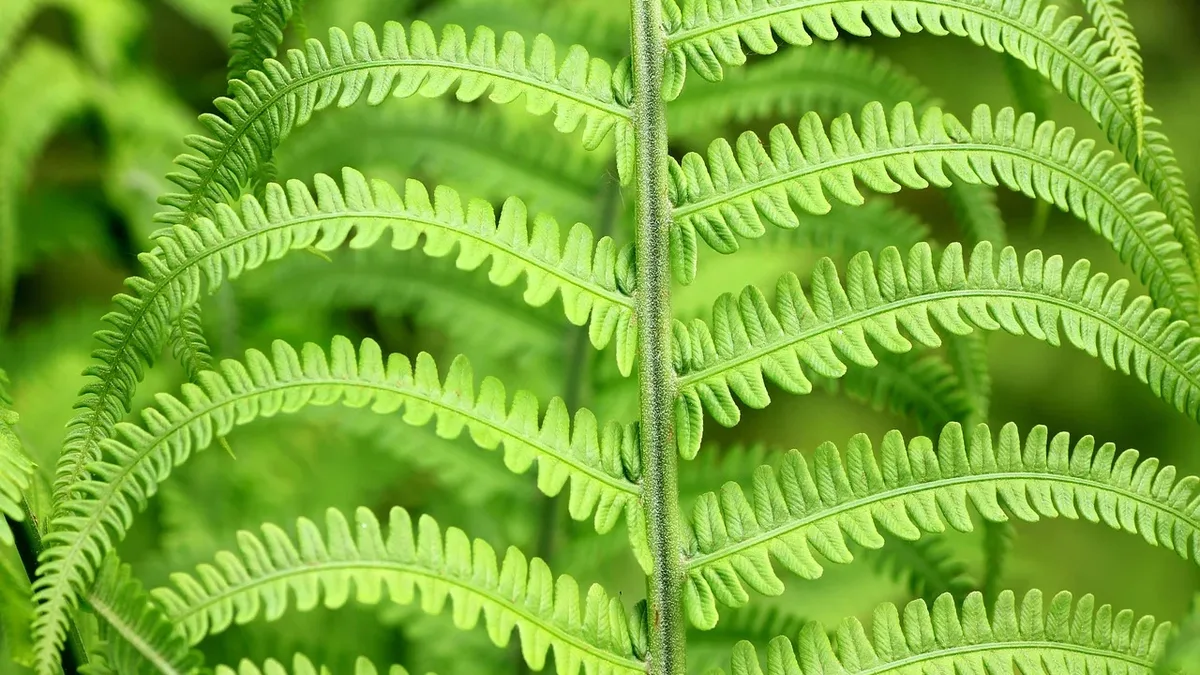
Keep Ferns Lush in August: 5 Simple Care Tips
Gardening Know How explains how to keep ferns green in August with watering, misting, shade, mulch and feeding. The guide also highlights expert Teo...