Five Sweet Spot Secrets for Fall Hummingbird Feeding
Gardening Know How details five key strategies to create a safe and attractive feeding station for migrating hummingbirds this autumn.
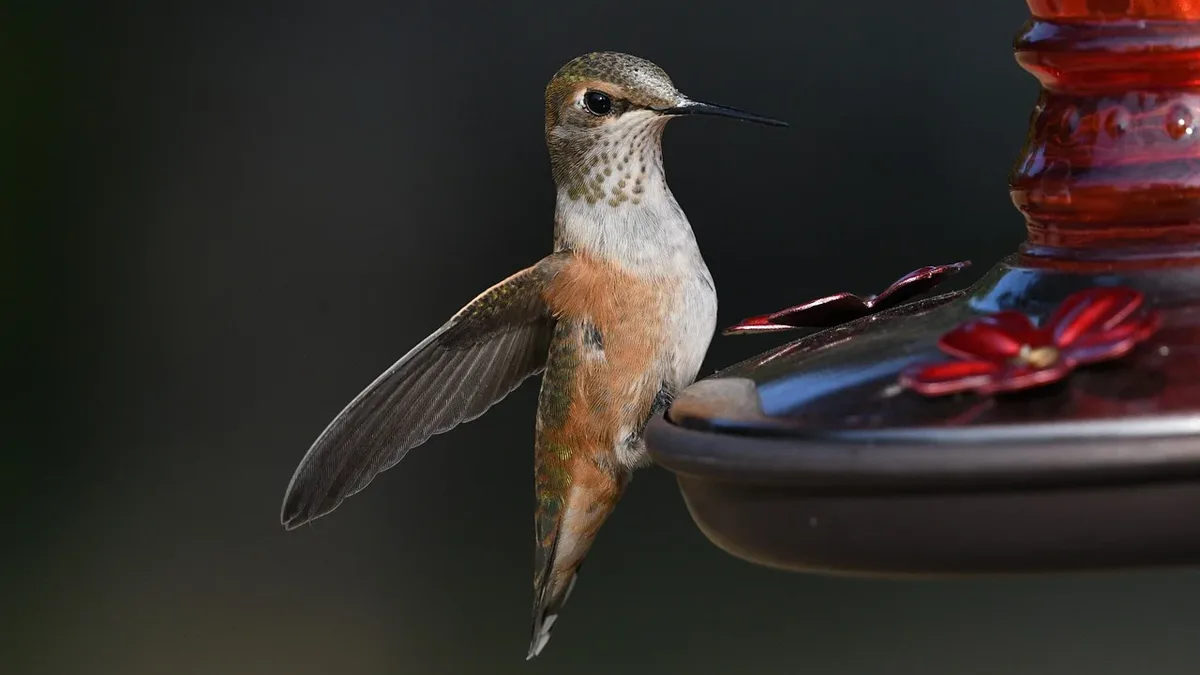
Fall migration is underway, and hummingbirds require substantial fuel for their long journeys south. Creating an ideal feeding station involves more than just offering nectar; it requires crafting a sanctuary that combines safety, visibility, and the right nutrition.
According to Gardening Know How, the goal is to transform even a small patio into a crucial pitstop for these tiny travelers. The publication outlines five specific "sweet spot" secrets to achieve this, focusing on the precise conditions that make a yard a hummingbird haven.
The Nectar Sweet Spot
The foundation is the nectar itself. The source states that a mixture of four parts water to one part refined white sugar replicates natural nectar and provides essential energy. It warns against using red food dyes, honey, molasses, or unrefined brown sugars, which can introduce chemicals, cause fungal infections, or lead to liver toxicity in the birds. A dedicated product like BirdBros Hummingbird Nectar is cited as a preservative-free option. Planting nectar-rich tubular flowers nearby, such as monarda (bee balm), cardinal flowers, or salvia, provides a natural booster for migrating hummers.
The Sightline Sweet Spot
Strategic placement is critical for safety and accessibility. The source advises positioning feeders 10 to 15 feet away from natural shelter like trees or shrubs. This distance allows exhausted birds to quickly reach cover from predators but remains far enough from dense foliage to prevent ambushes by cats. Hummingbirds' tetrachromatic vision makes them highly attracted to red and orange hues. Growing vibrant beacons like coral honeysuckle or bright monarda can act as a landing strip visible from up to 50 feet away.
The Height and Layout Sweet Spots
Feeder height and arrangement are also key. Hanging feeders at 5 to 6 feet off the ground is described as the ideal sweet spot, keeping the food within easy reach for maintenance while placing it safely out of the reach of many predators. To manage the territorial nature of hummingbirds, the source recommends setting up multiple feeders out of direct sightlines from each other. This layout prevents a dominant bird from monopolizing all the food and allows more timid travelers to feed in peace.
Choosing the Right Feeder
Selecting an appropriate feeder is the final step. The source highlights several models, emphasizing features like built-in perches for resting, ant moats to keep pests out, and easy cleaning. A table of featured feeders and their key attributes is provided below.
| Feeder Style | Key Features |
|---|---|
| Everyday Anchor | Translucent pinch-waist glass bottle, built-in ant moat, 4 perching pins, bright red base, wide mouth for easy cleaning. |
| Window Safe Seat | Mounts via suction cups to windowpane, allows close observation, designed to prevent fatal window collisions. |
| Artisanal Glass | 24-ounce reservoir, 6 integrated bee guards, built-in ant moat, leak-proof base gasket. |
The overall aim is to provide a reliable, safe fueling station that supports hummingbirds during their strenuous fall migration, using thoughtful placement and proper nutrition.