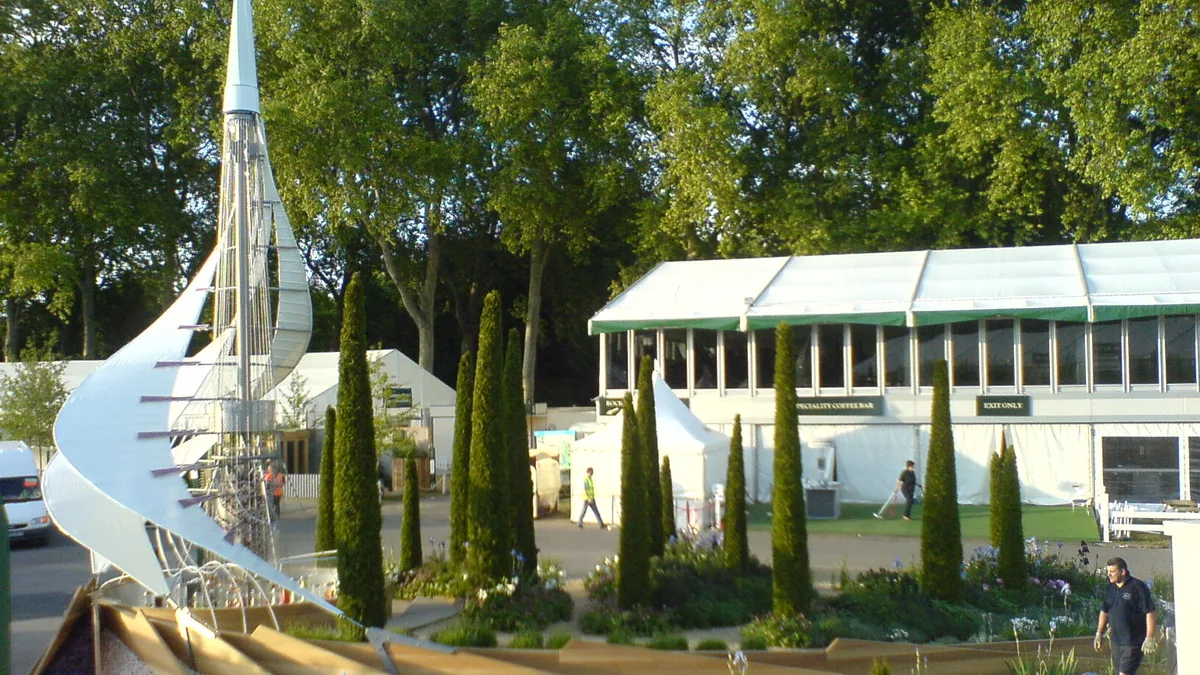
Rhs Chelsea Flower Show
| Organiser | Royal Horticultural Society |
|---|---|
| Location | Royal Hospital Chelsea, London |
| Frequency | Annual |
| Month held | May |
| Duration | Five days |
| Event type | Horticultural show and garden design competition |
| Primary focus | Show gardens, floral marquee exhibits, new plant introductions |
Origin and history
The RHS Chelsea Flower Show originates in the United Kingdom and is organized by the Royal Horticultural Society. Its precursor, the Great Spring Show, was first held in the 1860s at the RHS garden in Kensington, London. The show moved to its current and iconic location in the grounds of the Royal Hospital Chelsea in the early 1910s, establishing the event now known as the Chelsea Flower Show. This relocation provided a larger and more prestigious setting, which helped cement its reputation. Throughout the 20th century, the show grew from a national horticultural exhibition into a globally significant gardening event. Its history is marked by continuity, having been cancelled only during the two World Wars and more recently due to a global pandemic.
What it is for
The RHS Chelsea Flower Show serves as a premier platform for showcasing the highest achievements in garden design, horticulture, and plant breeding. Its primary function is to present meticulously constructed show gardens, created by leading designers, which set trends and demonstrate innovative landscaping techniques. A core purpose is to unveil new plant cultivars to the public and the horticultural trade, with many plants receiving their first public display at the event. It functions as a major venue for the Royal Horticultural Society to award its prestigious gold, silver-gilt, silver, and bronze medals for garden and plant excellence. The show also provides an extensive marketplace where visitors can purchase plants, gardening tools, and accessories directly from specialist nurseries and retailers. Furthermore, it acts as a significant fundraising event for the RHS charity, supporting its wider educational and gardening promotion activities.
Pros and cons
It provides a vital commercial showcase for nurseries and designers, generating publicity and sales that can define a business's year. For visitors, it offers educational value and inspiration that can directly influence domestic gardening practices. A primary con is the extreme cost and logistical pressure placed on exhibitors and designers, who must create flawless installations under immense time constraints and for a very short display period. The event's intense popularity leads to crowded conditions, especially on public days, which can diminish the experience for visitors seeking a contemplative view of the gardens. A common mistake for first-time attendees is underestimating the physical demands of the extensive site and the need for pre-planning to see specific exhibits, leading to fatigue and missed highlights.
Who it suits
The show particularly suits professional horticulturists, garden designers, landscape architects, and nursery owners who attend for industry networking, trend-spotting, and business development. It is well-suited to dedicated amateur gardeners with a deep interest in plants and design, who are seeking inspiration and access to specialist plant sellers. The event also appeals to journalists, photographers, and content creators within the gardening and lifestyle media sectors due to its high visual impact and news value. It suits individuals who are prepared for a crowded, stimulating environment and who value the spectacle of temporary artistic installation as much as practical gardening advice. The show is less suited to those seeking a quiet, leisurely day out or visitors with very limited mobility, as the site is large and the pathways can be extremely congested. It is also a significant investment of time and money, making it best suited to those with a committed interest in the gardening world.
Latest Rhs Chelsea Flower Show news
Latest reporting
Plant Amaryllis Bulbs by Mid-November for Christmas Flowers
Gardeners aiming for festive amaryllis blooms must plant bulbs by early to mid-November, as they require six to eight weeks to flower.
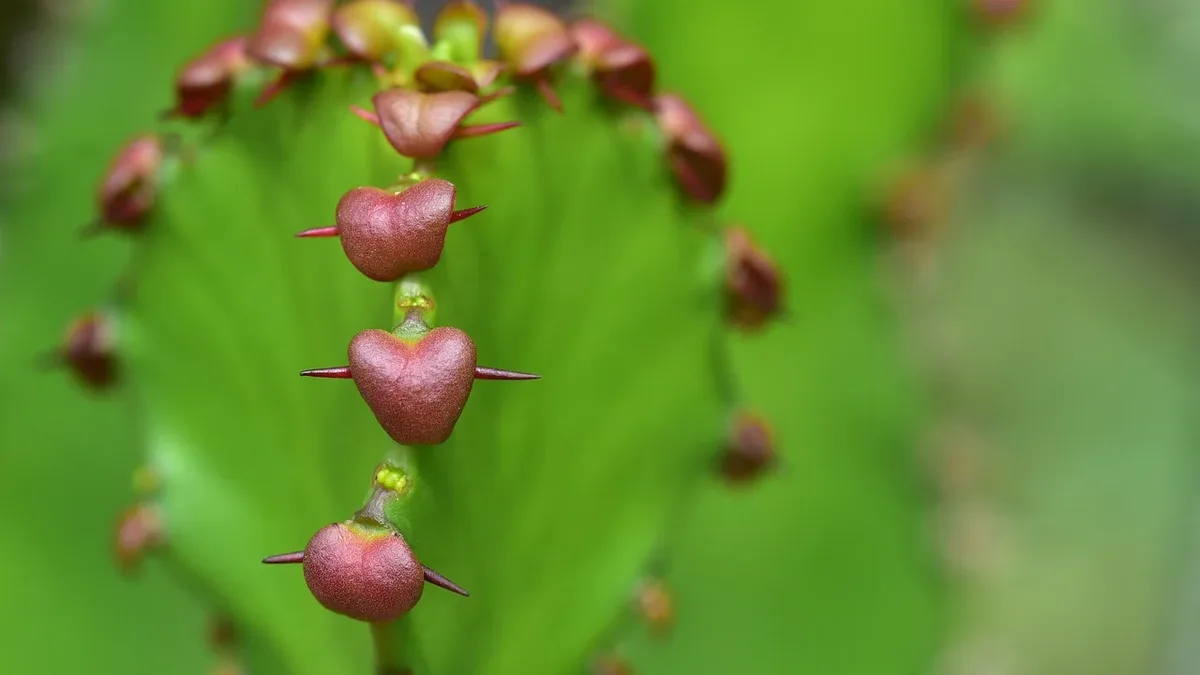
Christmas Cactus Care for Holiday Blooms Begins in October
To trigger flower buds, Christmas cacti need 12 hours of nightly darkness and cooler temperatures starting in October, along with reduced watering...
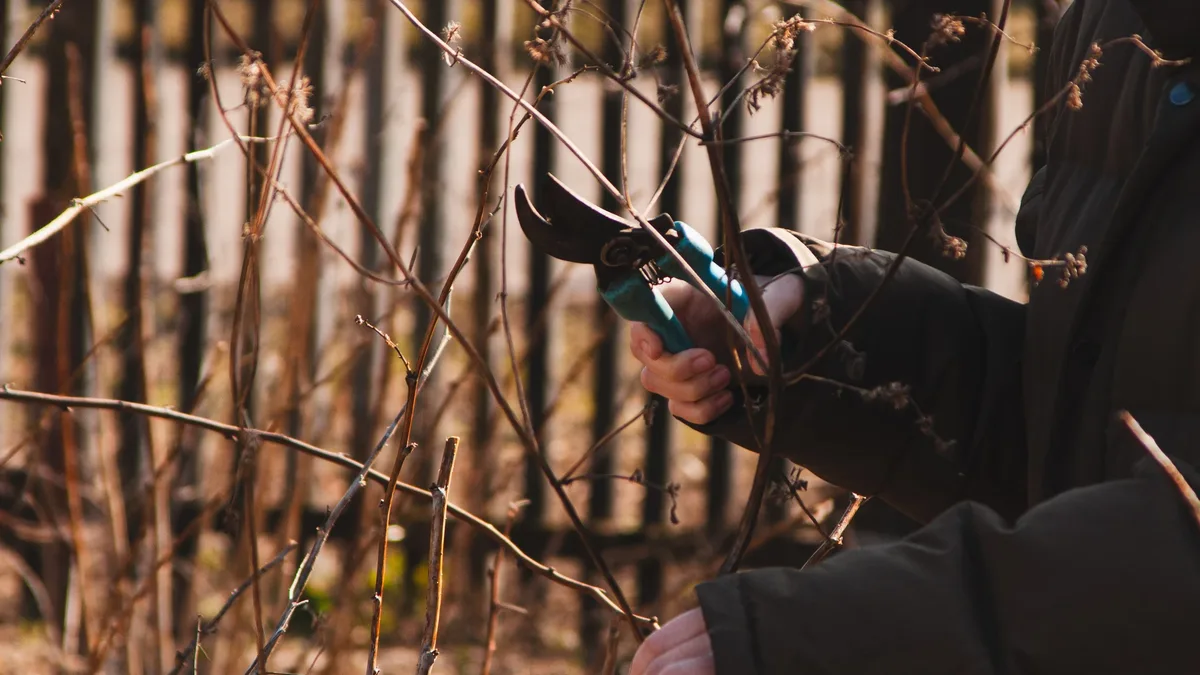
Fall pruning mistakes with lilacs, forsythia, and azaleas
Pruning certain shrubs in autumn removes next year's flower buds and stimulates tender growth vulnerable to winter damage.
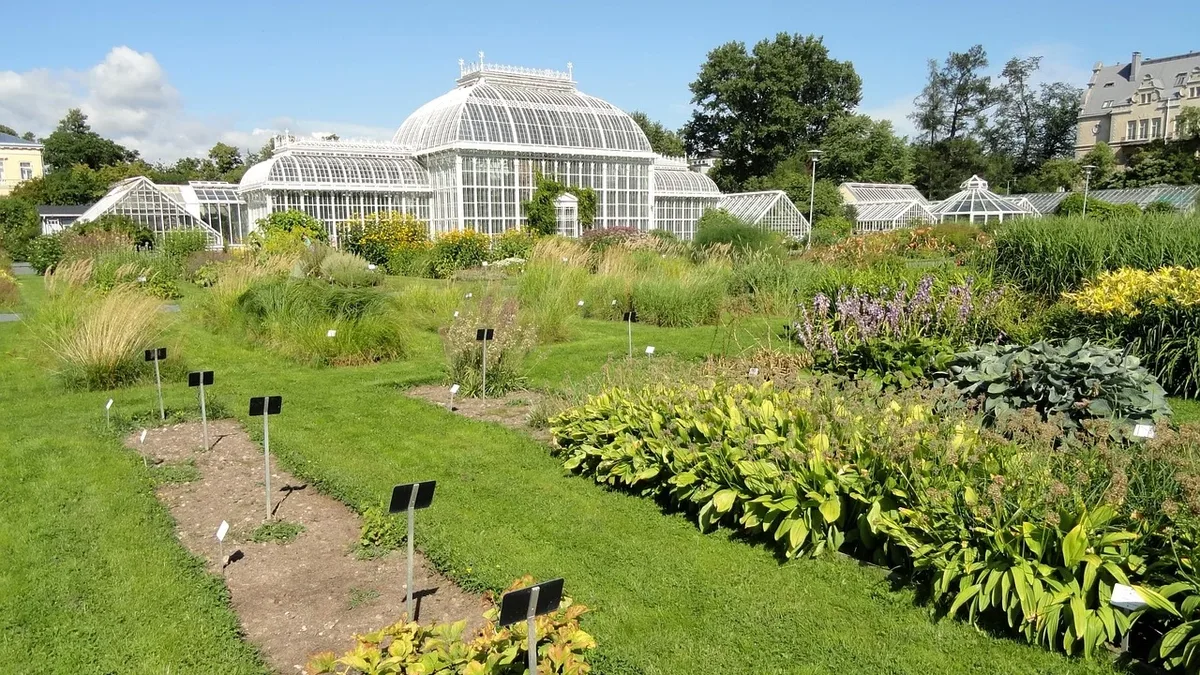
Will Young debuts psychological garden at RHS Wisley
Singer Will Young has created his first garden installation, 'Out of the Shadows', with designer Jamie Butterworth for the RHS Wisley Flower Show.
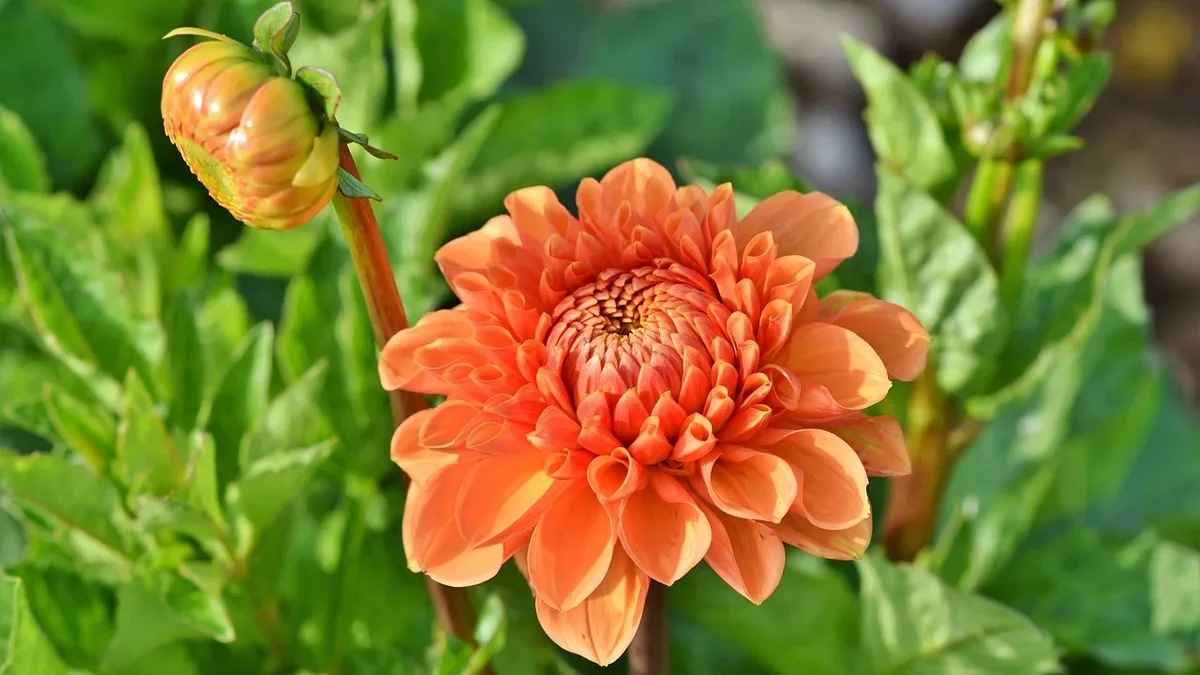
Gardener Morgan's Iowa Cut-Flower Garden
Gardener Morgan shares her 100-by-50-foot Iowa cut-flower garden, highlighting zinnias, a Dolly Parton tribute dahlia, and her gardening rituals.
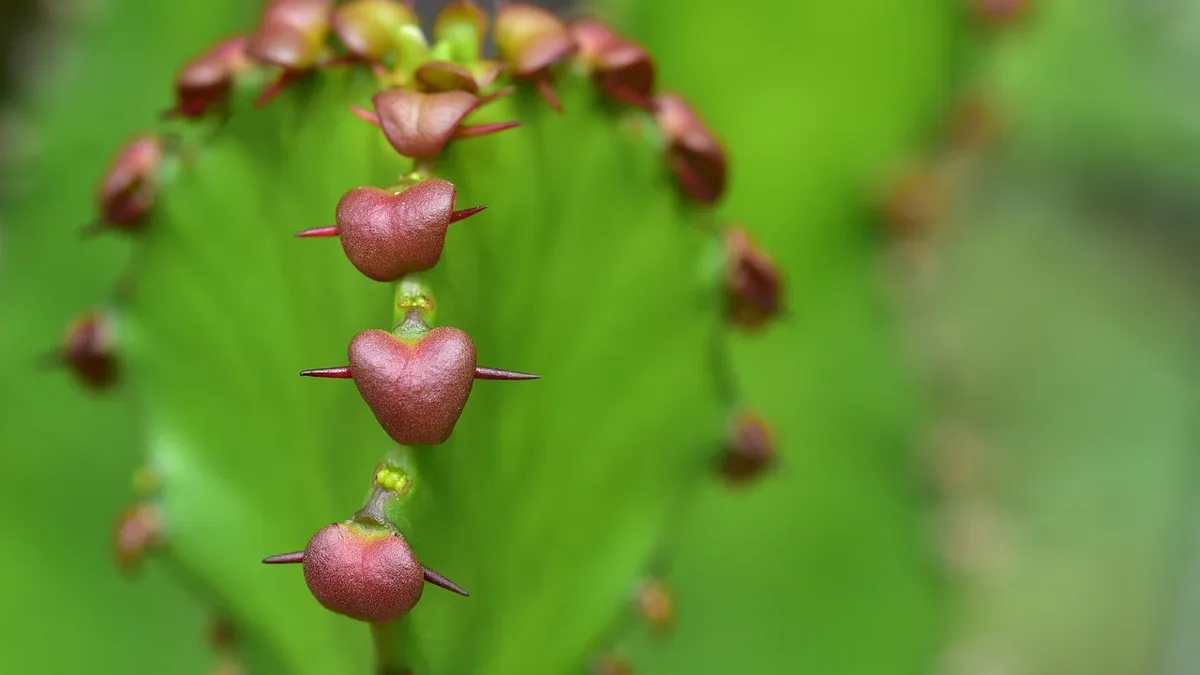
Christmas cactus care for holiday blooms
September is key for Christmas cactus flower buds. Proper temperature, light, and watering determine if it will bloom for the holidays.