Sungold Tomato
| Plant type | Indeterminate vine |
|---|---|
| Fruit type | Cherry tomato |
| Fruit color | Golden orange |
| Flavor profile | Exceptionally sweet, low acidity |
| Days to maturity | Approximately 55 to 65 days from transplant |
| Plant spacing | 24 to 36 inches apart |
| Support required | Yes (stake or cage) |
| Disease resistance | Varies by seed source |
Origin and history
This section does not state a country, date, or breeder because no reliable reference source is available. Sungold Tomato is best treated as a cultivated cherry tomato known mainly through garden use and seed lists. Its name points to a golden or orange fruit color. It is generally grown for small, sweet eating tomatoes rather than for storage or heavy cooking. The historical record is therefore limited to its status as a recognized garden cultivar. The plant is commonly described as a hybrid, so seed saved from the fruit will not reliably reproduce the same type. Its documented role is in home growing rather than in a specific regional tradition.
What it is for
Sungold Tomato is grown mainly for fresh eating, snacking, salads, and light cooking. The plant is a warm season crop that needs full sun, fertile soil, and steady moisture. In temperate gardens it is usually started indoors before the last frost and transplanted outdoors once frost danger has passed. It can also be grown in a greenhouse or under cover where temperatures are more controlled. The vines are commonly staked, caged, or tied to support the fruit and keep foliage off the soil. Regular picking encourages further fruiting, and the plant is usually removed at the end of the season or grown as an annual. It suits a long harvest period because the fruit ripens in batches rather than all at once.
Pros and cons
Sungold Tomato is valued for sweet fruit, reliable cropping, and good fresh eating quality. The thin skin can split if watering is irregular, especially after rain or a dry spell. Plants can become large and sprawling, so small containers or weak supports may fail. Because it is often a hybrid, seed saved from the fruit will not reliably give the same plants. Beginners may regret choosing it if they underestimate the need for staking, pruning, and consistent feeding. The common mistake is to plant it too closely or let the vines become dense, which reduces airflow and raises disease pressure. It can also attract birds or pests when fruit is ripening, so netting or prompt picking may be needed.
Who it suits
This tomato suits home growers who want a sweet cherry tomato for fresh eating rather than heavy sauce production. It works well in a sunny vegetable bed, a raised bed, a large container, or a greenhouse. It is suitable for gardeners who can water consistently and provide strong support. It is a good choice for families with children because the fruit is easy to pick and eat. It is less suitable for growers with very limited space, poor light, or irregular watering. It also suits people who are comfortable buying new seed each year rather than saving seed. It fits a seasonal garden where the main goal is continuous summer snacking and simple salads.
Latest Sungold Tomato news
Latest reporting
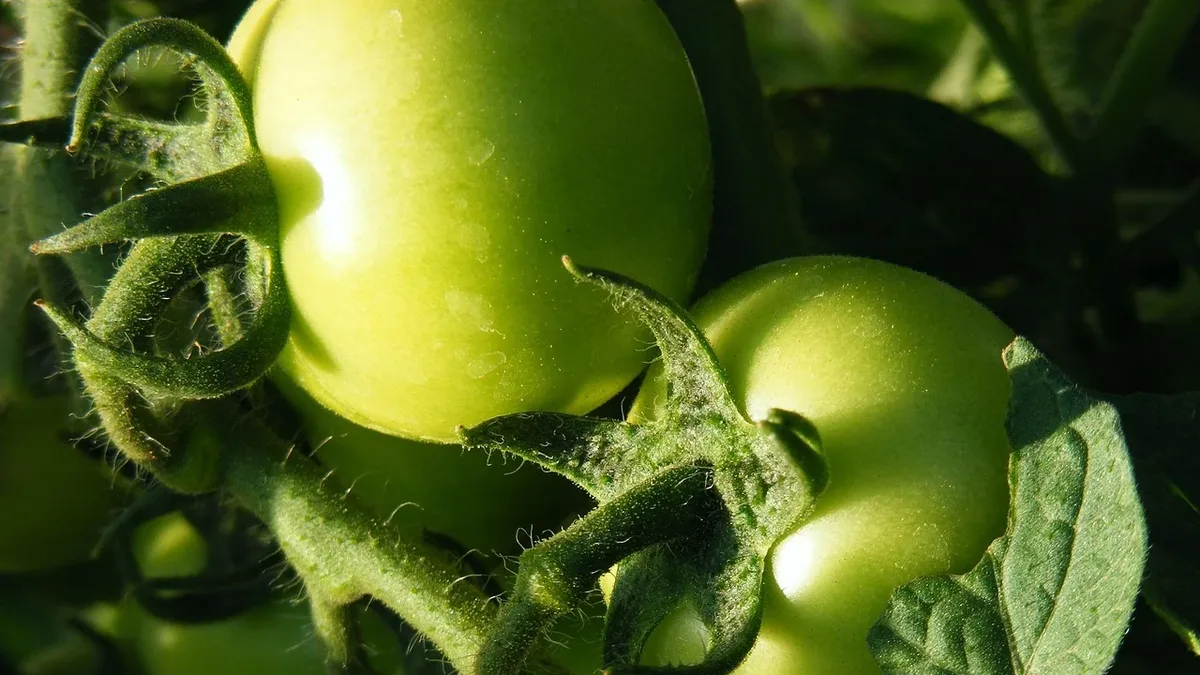
Six Ways to Reuse Old Tomato Vines in the Garden
Gardening Know How details six methods for recycling spent tomato plants, from creating ash fertilizer to crafting temporary trellises.
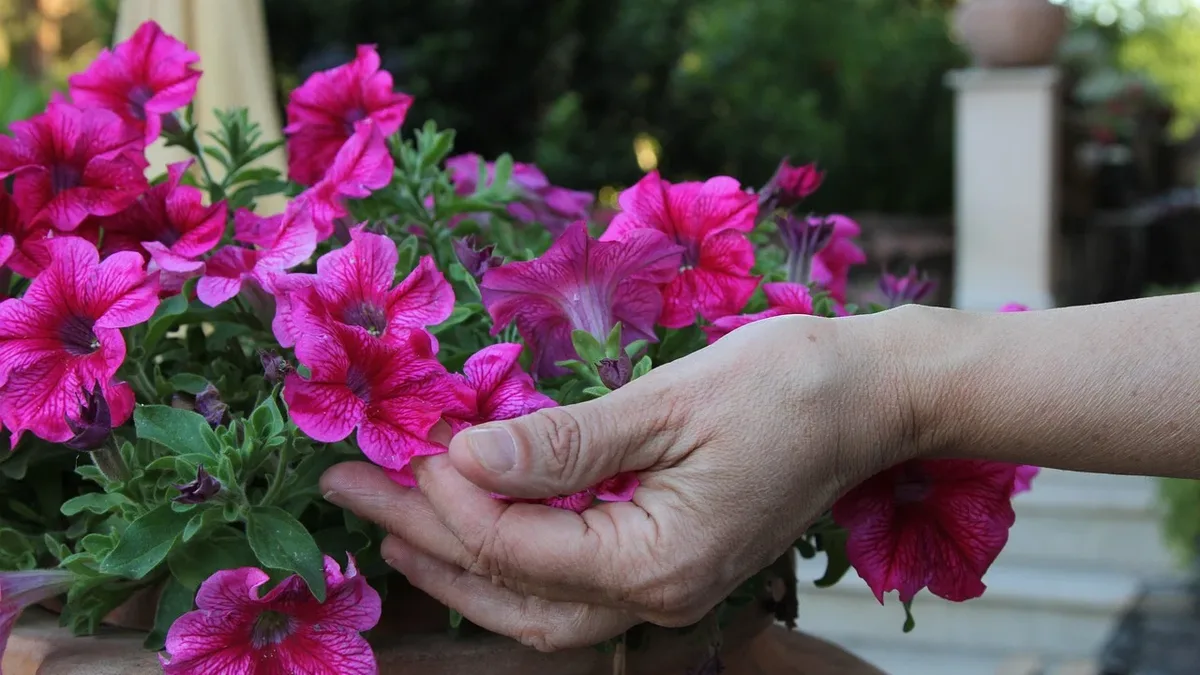
Tomato Feed Boosts Late Summer Flowers
Applying tomato feed to patio containers in late summer encourages a final flush of blooms with its high potassium, hardening plants before frost.
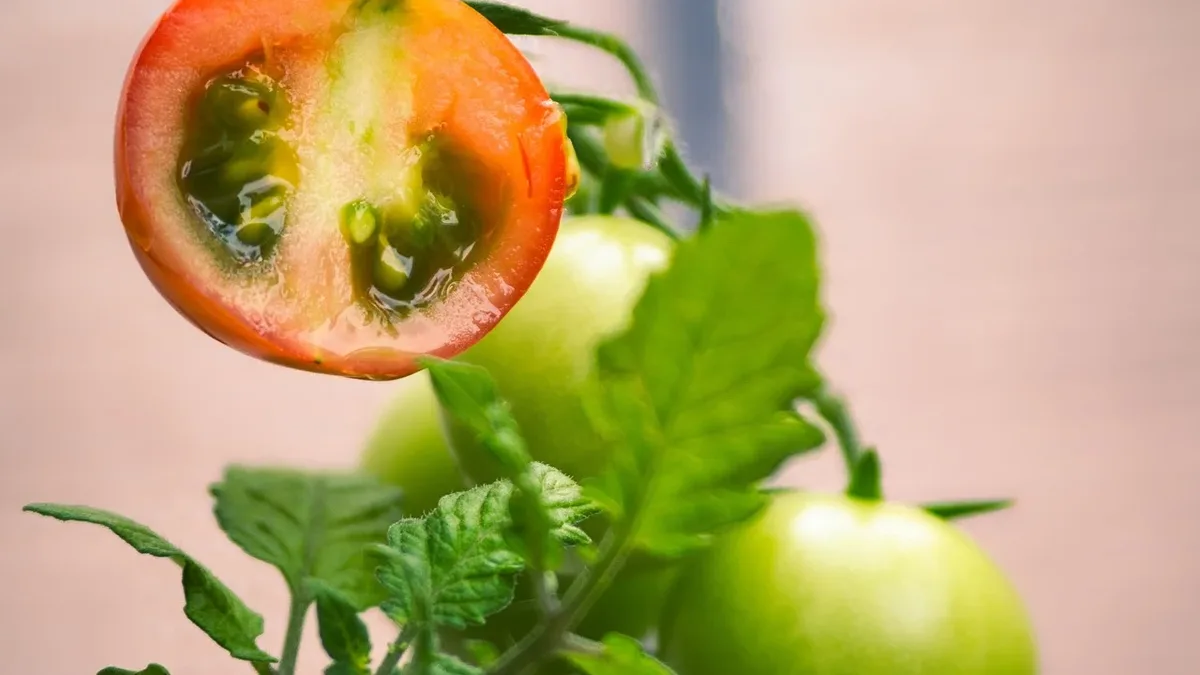
Tomatoes Still Have Flowers But No Fruit?
Tomato plants may flower but fail to set fruit due to heat stress, improper watering, or nutrient imbalance. Follow five practical steps to improve...
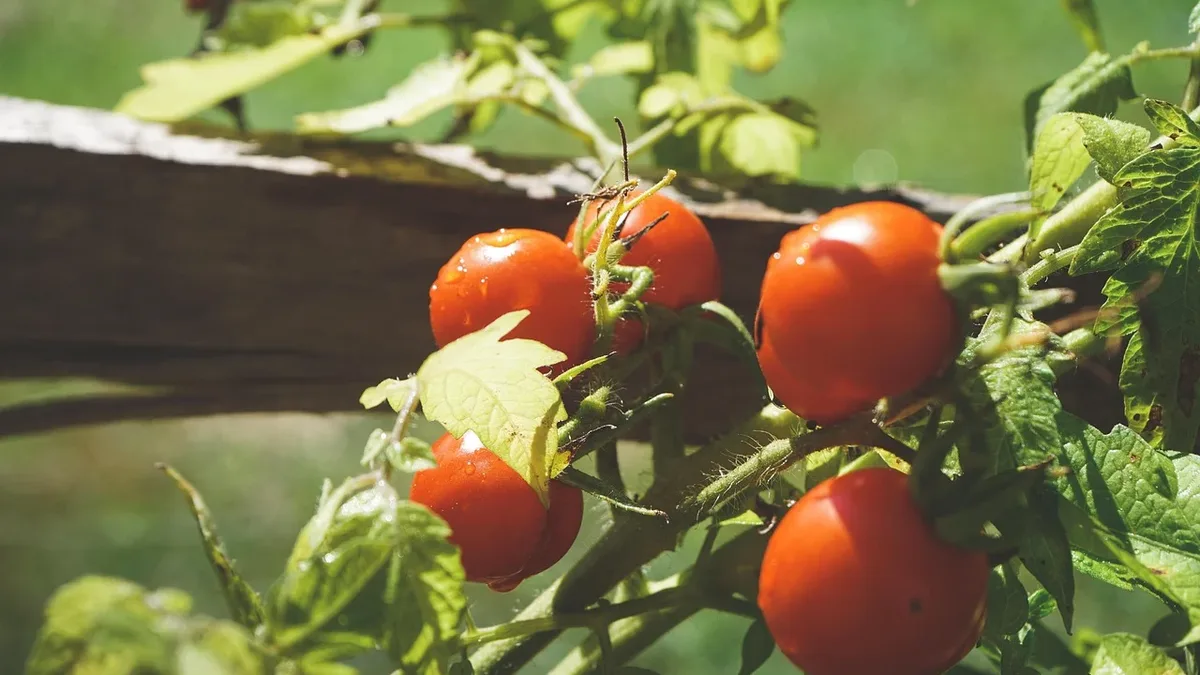
Rob’s 60-by-45-foot Summer Garden in NC
Rob’s 60-by-45-foot garden in Fort Barnwell, North Carolina, is thriving with container-grown tomatoes, peas, corn and more, despite a recent hot...