Edible garden weeds you can harvest now
The Guardian’s August 21, 2026 guide lists ten common weeds that are safe to eat and explains how to use their leaves, stems and fruits in the kitchen, while warning about identification and contamination.
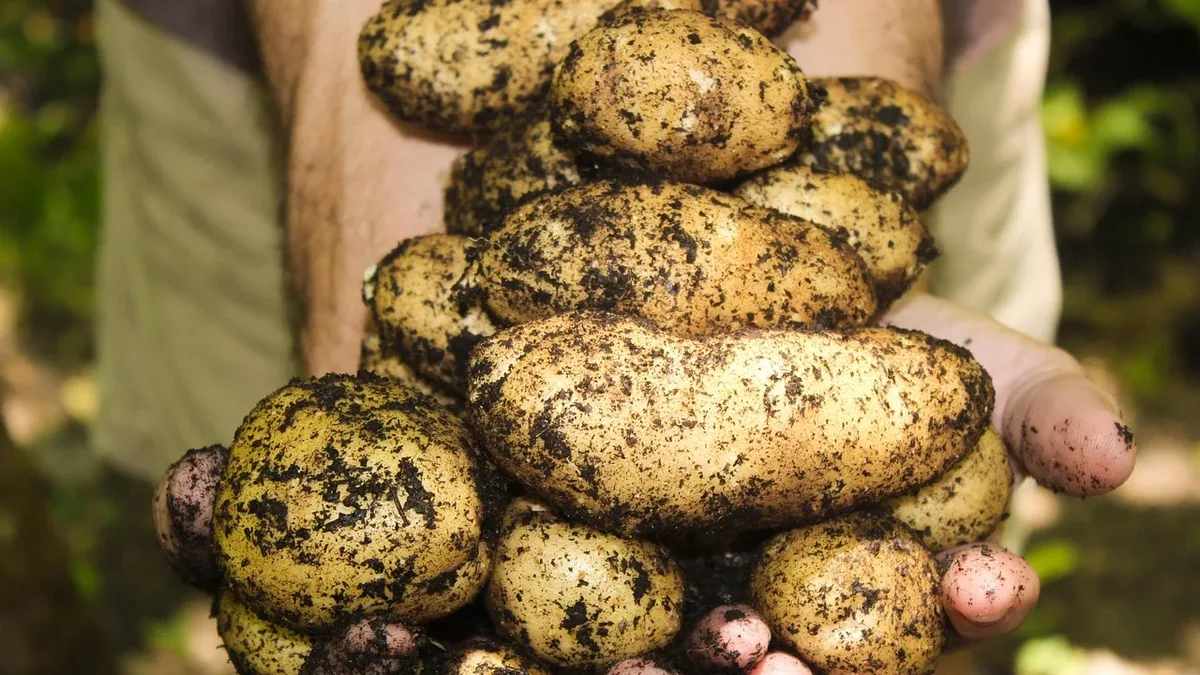
On 21 August 2026, The Guardian published a guide that names ten common garden weeds you can safely eat. The article encourages gardeners to harvest these plants for fresh, nutritious meals rather than discarding them.
Leafy greens you can toss into salads
Plantain (Plantago lanceolata and P. major) grows in lawns and verges; the narrow-leafed P. lanceolata produces bud-stage flowerheads with a mushroom-like taste, while the broader-leafed P. major offers tender young leaves that work well raw or lightly cooked.
Garlic mustard (Alliaria petiolata) appears as a rosette of kidney-shaped leaves in its first year and sends up a flowering stem in the second. Young leaves add a sharp garlic-mustard flavor to salads, whereas older leaves benefit from cooking to soften their texture.
Dandelion (Taraxacum officinale) yields young leaves that fry quickly into a nutritious side; if bitterness is a problem, a brief boil helps. The bright yellow flowerheads can be snipped into salads for colour or dipped in a light batter for a sweet starter after trimming the bitter base.
Sorrel (Rumex acetosa) displays small, arrow-shaped leaves with a lemony tang from oxalic acid. Because raw sorrel can irritate throats, it is best mixed with other greens or cooked briefly, and it also shines in pesto or a surprising sorrel sorbet.
Chickweed (Stellaria media) forms low mats in sunny spots. Its tiny oval leaves are rich in vitamin C and make a delicate raw salad base, a cress-like sandwich filler, or a spinach substitute in cooked dishes.
Stems and shoots for warm dishes
Ground elder (Aegopodium podagraria) spreads in a low carpet and offers young leaves with a mild celery flavor suitable for salads. Older foliage can be boiled or fried much like spinach, though the plant is hard to eradicate and should be managed carefully.
Fat hen (Chenopodium album), also called lamb’s quarters, returns each year by self-sowing. Its dusty olive-green, triangular leaves are succulent when young and can be tossed into salads or cooked as a side.
Cleavers (Galium aparine) is instantly recognizable by its sticky stems. Boiling the young shoots and leaves for five to ten minutes softens the bristles and yields a pea-like taste; a handful of raw leaves can also infuse fridge water with a light cucumber flavor.
Stinging nettle (Urtica dioica) spreads vigorously and can sting bare skin. Wearing thick gloves, harvest the fresh shoots in spring, then steam, fry or boil them briefly to neutralize the sting and produce a highly nutritious side or a classic nettle soup.
Fruit and berries from weeds
Bramble (Rubus fruticosus) climbs hedgerows and woodlands, sending out thorny canes that root where they touch the ground. In late summer and autumn the canes bear blackberries that are exceptionally sweet when fully ripe, perfect for desserts or fresh eating. Gardeners can control the plant by pruning old stems after fruiting while leaving a few new shoots for the next season.
Source: The Guardian Gardens