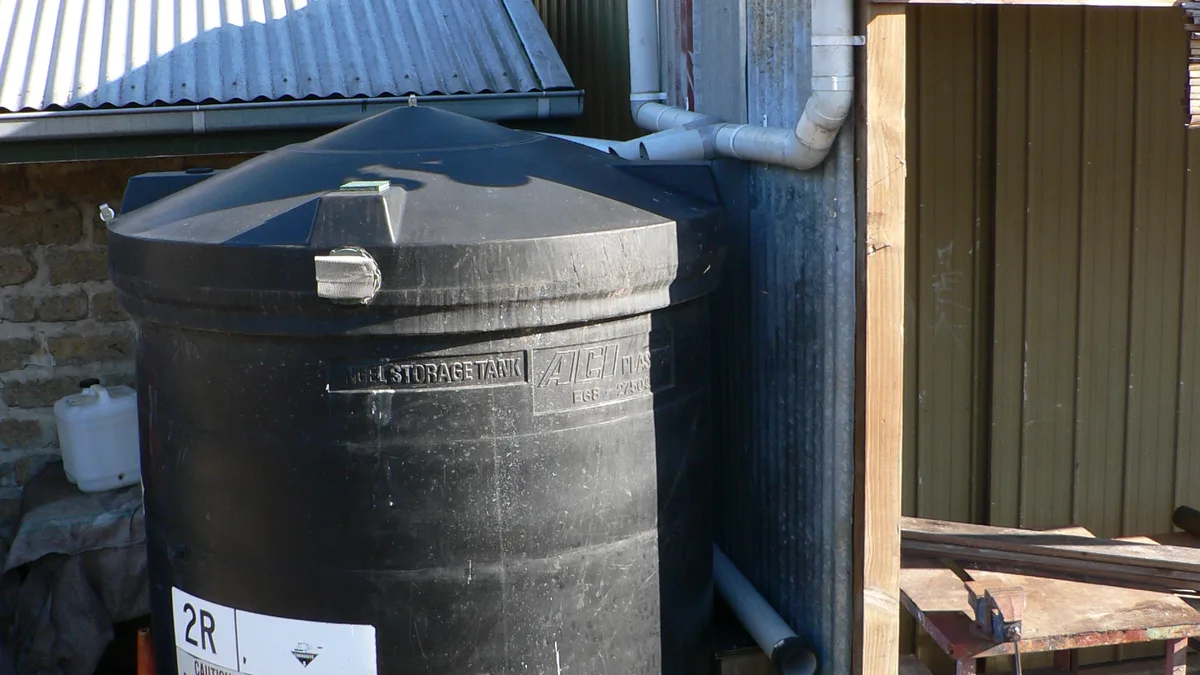
Water Butt
| Material | Plastic, metal, or wood |
|---|---|
| Typical capacity | 100 to 400 litres |
| Primary use | Collecting rainwater for garden irrigation |
| Connection | Attached to a downpipe from a roof gutter |
| Common placement | Against a wall or fence |
| Maintenance | Requires periodic cleaning and winter draining |
| Seasonal use | Most effective during wetter months for summer use |
Origin and history
The water butt, as a dedicated rainwater harvesting vessel, has origins in Northern Europe, particularly the United Kingdom, dating back several centuries. Its development was driven by necessity in regions where soft rainwater was prized for specific household and agricultural uses despite generally damp climates. Early versions were often simple wooden barrels or lead-lined tanks repurposed from other uses to collect runoff from roofs. The concept became more formalized and widespread during the 18th and 19th centuries with the expansion of urban areas and the need for supplemental water supplies. The modern plastic water butt, typically made from recycled polyethylene, became a common garden item in the latter half of the 20th century. This shift in materials made the tool more affordable, durable, and accessible for domestic gardeners aiming to conserve mains water.
What it is for
A water butt is a container designed to collect and store rainwater, typically from a downpipe connected to a roof's guttering system. Its primary function is to provide a source of untreated, soft water for garden use, which is preferable for many plants, especially acid-loving varieties like rhododendrons and camellias. It serves to reduce consumption of mains tap water, lowering household water bills and alleviating demand on public water supplies during drier periods. The stored water can be used for watering plants, washing garden tools, or cleaning patio areas, but it is not suitable for drinking, cooking, or personal hygiene without proper treatment. By capturing rainfall runoff, it also plays a minor role in reducing the volume and flow rate of water entering local storm drainage systems during heavy rain. Regular use of a water butt ensures a reservoir of water that is naturally at ambient temperature, avoiding the shock that cold tap water can cause to plant roots in summer.
Pros and cons
A significant pro is the provision of free, soft water that lacks the chlorine and limescale found in mains water, benefiting plant health. It offers tangible utility bill savings over time and contributes to sustainable water management by reducing a household's potable water footprint. The installation is generally simple, requiring minimal tools, and modern designs often include child-safe lids and integrated taps. A major con is the potential for mosquito breeding if the butt is not properly sealed or covered, creating a public health nuisance. The water supply is entirely weather-dependent, leading to shortages during prolonged droughts precisely when garden demand is highest, which frustrates many users. Common mistakes include placing the butt on unstable ground, leading to tipping when full, or failing to clean gutters, which causes debris to clog the inlet filter and contaminate the stored water. Users often regret choosing a model with a flimsy tap that leaks or breaks easily, or one with an insufficient capacity that requires constant emptying and refilling.
Who it suits
This tool suits gardeners with an accessible downpipe and roof area large enough to collect meaningful volumes of rainwater, making it ideal for those in houses, bungalows, or large sheds. It is particularly well-suited for individuals in regions with frequent, if not necessarily heavy, rainfall who wish to build a resilient, off-grid water reserve for their garden. Eco-conscious households aiming to reduce their environmental impact find it a practical and visible step towards sustainable living. It suits those cultivating plants that are sensitive to tap water chemicals or hard water, such as certain ornamentals, seedlings in greenhouses, and organic vegetable growers. The water butt is also appropriate for gardeners with physical mobility limitations, as a well-positioned model with a stable tap can eliminate the need to haul watering cans long distances from an outdoor tap. However, it is less suited for those in very arid climates with minimal rainfall, or for renters without permission to modify downpipes, and it requires a user willing to perform occasional maintenance like cleaning and winterizing.
Latest Water Butt news
Latest reporting

Nicholas Morton's Design Tips for Awkward Gardens
Award-winning designer Nicholas Morton shares clever strategies for making L-shaped gardens feel larger, while a separate piece advocates for simple...
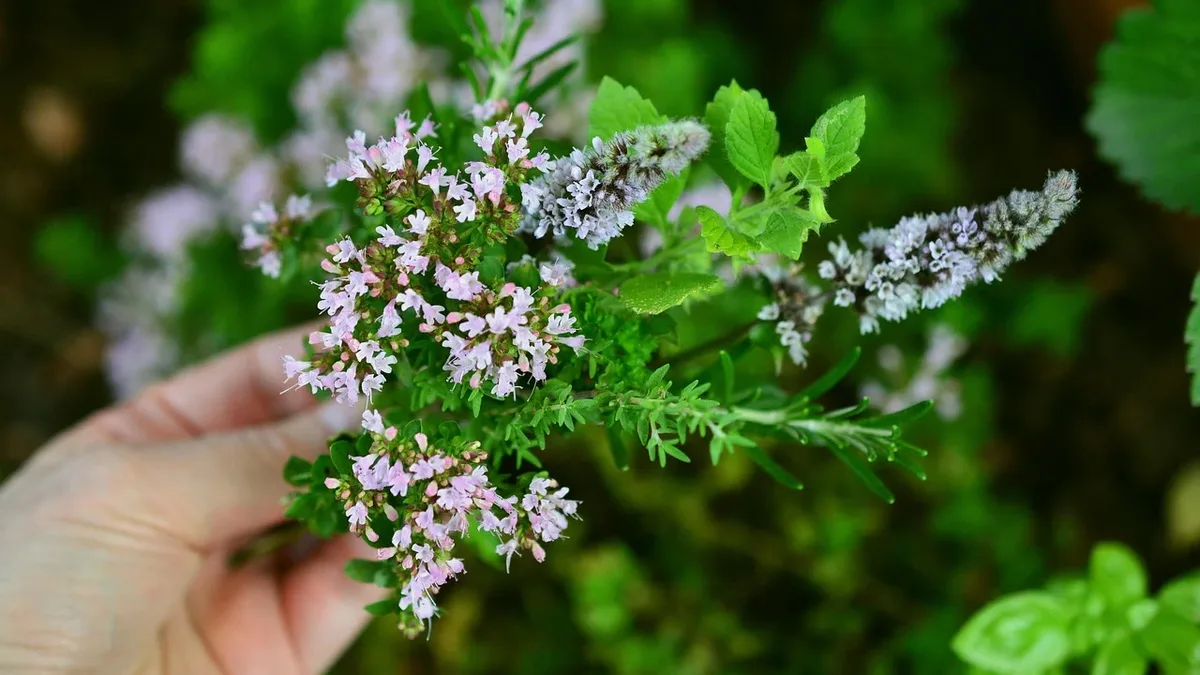
How to Propagate Mint, Oregano, Thyme, and Tarragon
Fall is the ideal time to propagate common culinary herbs like mint, oregano, thyme, and tarragon in water indoors.
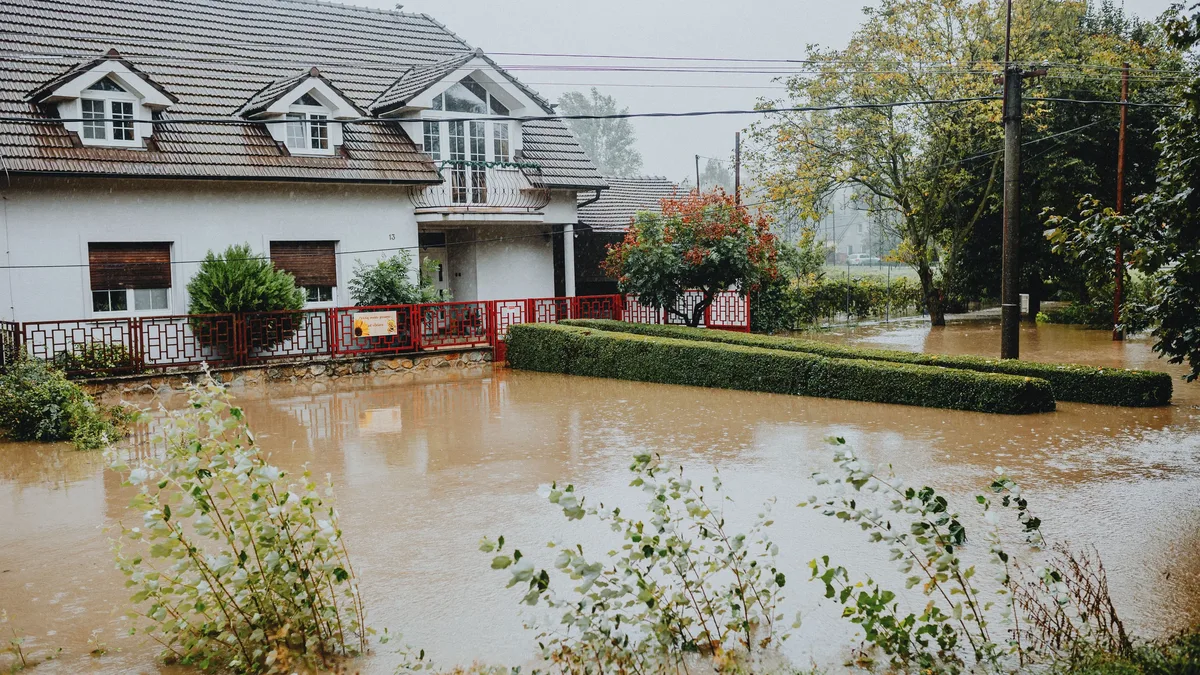
Legal Drainage Mistakes That Could Flood a Neighbor's Yard
A gardening lawyer explains how common landscaping changes can alter natural water flow, potentially making a homeowner liable for flood damage.

September Fuchsia Care for Final Blooms and Winter Prep
Gardening Know How outlines six essential tasks for fuchsia care in September, focusing on adjusting water and feed, light pruning and pest checks.
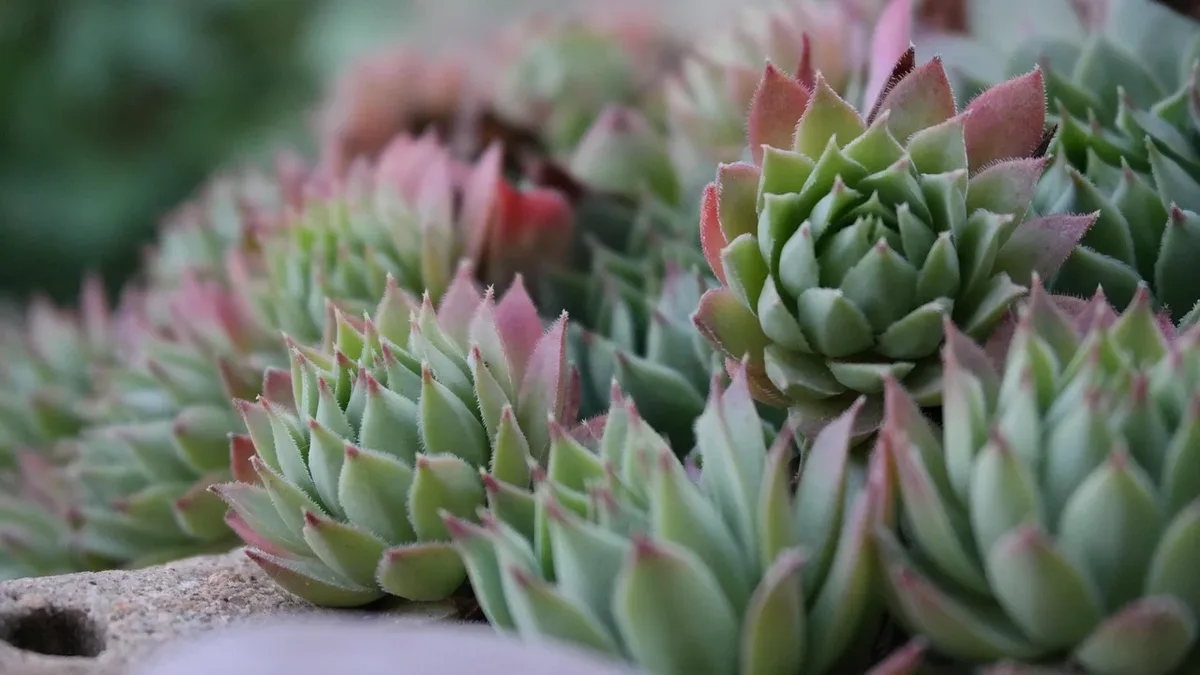
Pam Penick's Four Expert Plant Picks for Southwest Gardens
Austin-based gardening author Pam Penick recommends four resilient, water-wise plants suited for the Southwest's challenging climate.
Smart Water Management Reshapes Garden Design in 2026
Water management is now central to garden design, driven by supply challenges. Key strategies include improving soil health, capturing rainwater...