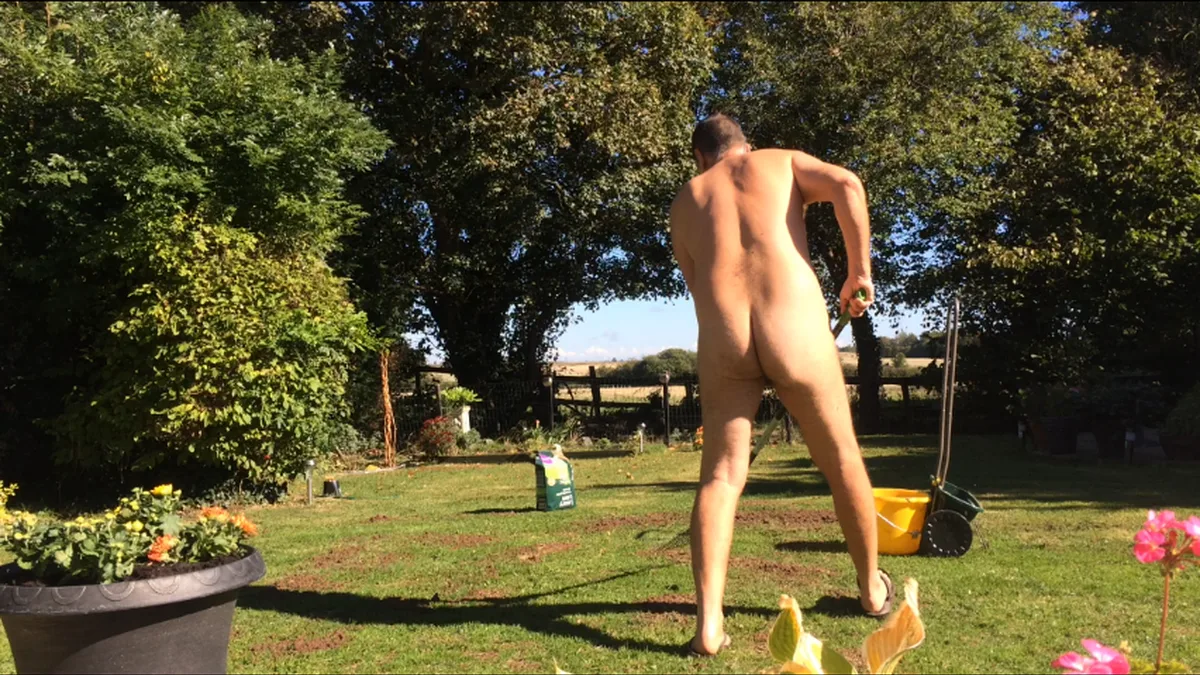
Lawn Care
| Common name | Lawn |
|---|---|
| Botanical family | Poaceae |
| Primary use | Ground cover and recreation |
| Establishment method | Seeding, sodding, or plugging |
| Mowing height | Varies by grass species |
| Watering needs | Regular, deep watering |
| Fertilizing schedule | Varies by grass type and climate |
| Common maintenance tasks | Mowing, aerating, dethatching, weed control |
Origin and history
The modern concept of a closely manicured, monoculture lawn originated in 17th century England and France among the aristocracy. These early lawns were maintained by scything and grazing livestock on the grounds surrounding large estates, serving as a visible symbol of wealth and control over nature. The practice was later adopted in North America, where it became widespread in suburban developments following the Second World War. The post-war housing boom, coupled with the invention of the rotary mower and the rise of chemical herbicides and fertilizers, democratized lawn ownership. This period solidified the lawn as a standard feature of residential landscapes across much of the United States and Canada. The cultural ideal of a uniformly green, weed-free turfgrass yard became deeply embedded in suburban life during the mid-20th century.
What it was bred for
Lawn care as a practice was developed to create and maintain an artificial, homogeneous groundcover of grass. The primary purpose was aesthetic, aiming to produce a uniform, carpet-like green surface around homes and public buildings. It was bred for visual appeal, social conformity, and to signify neatness, order, and civic responsibility within a community. The practice also serves functional roles such as providing a durable surface for recreation, reducing soil erosion, and offering some cooling effects through evapotranspiration. Furthermore, the lawn industry evolved to support these goals through the selective breeding of turfgrass varieties for specific traits like drought tolerance, pest resistance, and finer leaf texture. Ultimately, lawn care was cultivated to fulfill a cultural ideal of a manicured, controlled outdoor space.
Life cycle
The life cycle of a managed lawn is a perpetual, human-directed cycle that overrides the natural senescence of the constituent grass plants. Cool-season grasses, such as Kentucky bluegrass and fescues, enter a period of vigorous growth in the cool, moist conditions of spring and autumn. During the heat of summer, these grasses often enter a state of dormancy, turning brown unless irrigated, while warm-season grasses like Bermuda or Zoysia hit their peak growth. The lawn care cycle involves recurring tasks: mowing to maintain height, which encourages tillering and density; fertilization to promote leaf growth over flowering; and watering to prevent dormancy. Weed invasion is a constant ecological pressure, as the simplified lawn ecosystem is inherently unstable and susceptible to colonization by broadleaf plants and other grasses. Without continuous human intervention through these practices, most lawns would gradually succeed into a more diverse mix of native vegetation.
Character and appearance
Its appearance is valued for its lush, green color and its texture, which should be fine and even, resembling a living carpet. A well-kept lawn has clearly defined edges along sidewalks and garden beds, presenting a sharp, manicured boundary. The surface should be free of visible weeds, bare patches, discoloration, or fungal diseases like brown patch. Thatch, a layer of dead organic matter between the soil and green grass, should be minimal to allow for water and nutrient penetration. The overall visual effect is one of controlled, orderly, and vibrant green space contrasting with built structures.
How to grow Lawn Care
Successful lawn cultivation requires a systematic approach to soil preparation, grass selection, and ongoing maintenance. Begin by testing the soil to determine pH and nutrient levels, amending it with lime or sulfur as needed to achieve a slightly acidic pH optimal for grass. Select a grass type suited to your climate, sunlight availability, and expected foot traffic, whether a cool-season or warm-season variety. Prepare the seedbed by removing debris, tilling the soil lightly, and grading to ensure proper drainage away from structures. Sow seed evenly at the recommended rate or install sod, ensuring good soil contact, and keep the area consistently moist until establishment. Implement a regular mowing schedule, never removing more than one-third of the blade height at a time, and sharpen mower blades annually for a clean cut. Follow a seasonal fertilization schedule, typically in spring and fall for cool-season grasses, and water deeply but infrequently to encourage deep root growth.
When to plant Lawn Care
The optimal planting time for lawn grasses is strictly determined by whether they are cool-season or warm-season types. Cool-season grasses, such as Kentucky bluegrass, perennial ryegrass, and fescues, establish best when planted in early autumn, allowing root development in cool soil with seasonal rains. Late summer to early fall planting avoids the extreme heat stress of summer and the fierce weed competition of spring. The secondary window for cool-season grasses is early spring, as soon as the soil is workable, but this timing faces greater weed pressure and potential summer drought stress. Warm-season grasses, including Bermuda, Zoysia, and Centipede grass, must be planted in late spring or early summer when soil temperatures have consistently warmed above 65°F. Planting sod can extend the establishment window slightly, but it still requires careful watering and should be avoided during periods of extreme heat or frost.
How long does Lawn Care take to grow
The timeline for lawn establishment varies significantly based on the planting method, grass species, and growing conditions. Grass seed typically germinates within 5 to 30 days, with fast-starters like perennial ryegrass appearing in under a week and slower species like Kentucky bluegrass taking up to three weeks. A seeded lawn generally becomes established enough for very light foot traffic in 6 to 8 weeks, but it requires a full growing season before it can be considered durable. Sod provides an "instant lawn" appearance, but its roots require 2 to 3 weeks to knit firmly into the underlying soil before withstanding regular use. Full maturity for a lawn, where the grass has developed a deep root system and dense tillering, typically takes at least one full year of seasonal growth cycles. Ongoing lawn care is a permanent commitment, as the grass is in a constant state of managed growth requiring weekly or bi-weekly mowing during the growing season.
Pros and cons
A significant pro of a traditional lawn is its provision of a durable, level surface for recreation and outdoor activities. It can also reduce soil erosion, moderate ground temperatures, and offer a familiar, low-growing landscape that is easy to navigate. The primary con is its high resource demand, requiring substantial inputs of water, fossil fuels for mowing, and chemical fertilizers and pesticides to maintain the non-native monoculture. Lawns are ecological deserts, offering minimal habitat or food for pollinators and other wildlife compared to diverse plantings. A common mistake is overwatering and over-fertilizing, which leads to shallow root systems, increased disease susceptibility, and nutrient runoff polluting waterways. Many homeowners regret choosing high-maintenance grass species unsuited to their local climate, leading to constant battles with dormancy, weeds, and disease. The social pressure to maintain a perfect lawn can also become a source of financial and time burden with diminishing returns.
Who it suits
A high-maintenance lawn best suits homeowners with a strong preference for a formal, uniform landscape aesthetic and who derive satisfaction from the caretaking process itself. It is practical for households with children or pets that need a durable play area, provided the grass type is tough enough to withstand traffic. This approach suits those living in regions with reliable, ample rainfall or who have the means and willingness to irrigate extensively during dry periods. It is less suitable for environmentally conscious individuals seeking to reduce their water usage, chemical inputs, and carbon footprint. Lawns are a poor choice for deeply shaded sites, steep slopes, or areas with poor soil unless significant amendment is undertaken. Individuals with limited time, physical ability, or budget for weekly mowing and seasonal treatments would find a low-maintenance groundcover or alternative landscaping more suitable.
Latest Lawn Care news
Latest reporting
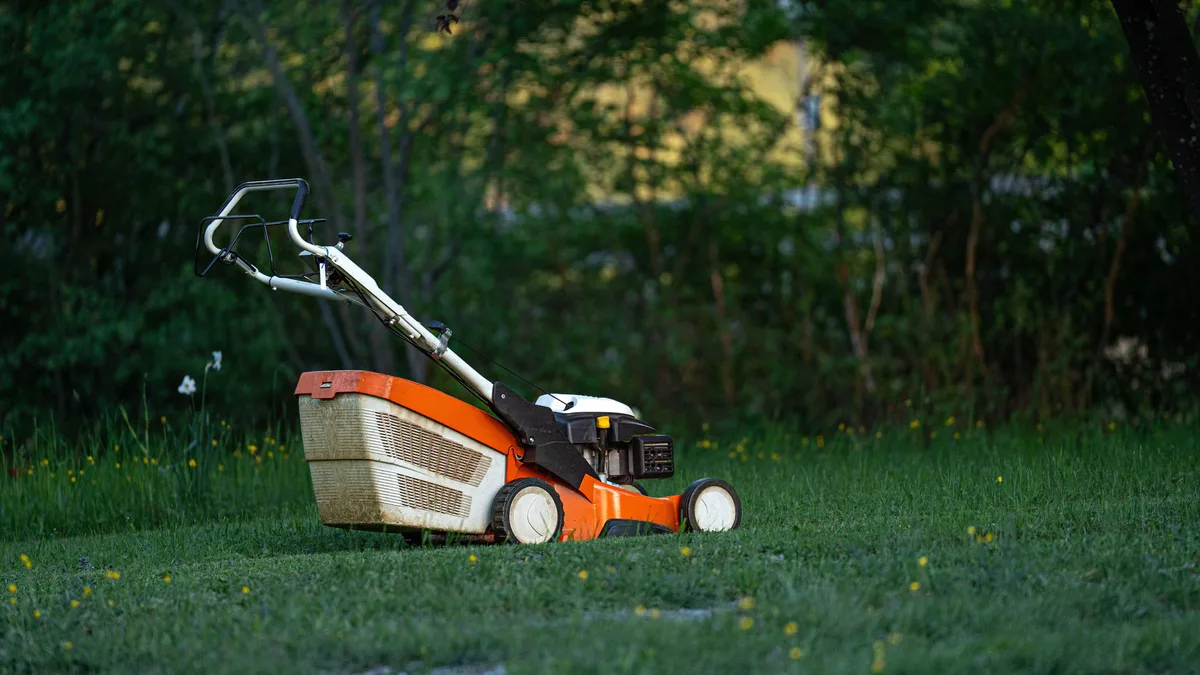
September Lawn Check for Chafer Grub Damage
Gardeners must check lawns for chafer grub infestations this September. The pests have surged after a hot, dry summer and can cause permanent damage...

Hellebore Fall Care Tips for Winter Blooms
As hellebores begin active root growth in September, timely fall care including light tidying, feeding, and managing volunteers is essential for...
Three Houseplants That Thrive on Neglect
Gardening Know How recommends three resilient houseplants-snake plants, ZZ plants, and spider plants-that tolerate irregular care and low light...
September Fuchsia Care for Final Blooms and Winter Prep
Gardening Know How outlines six essential tasks for fuchsia care in September, focusing on adjusting water and feed, light pruning, pest checks, and
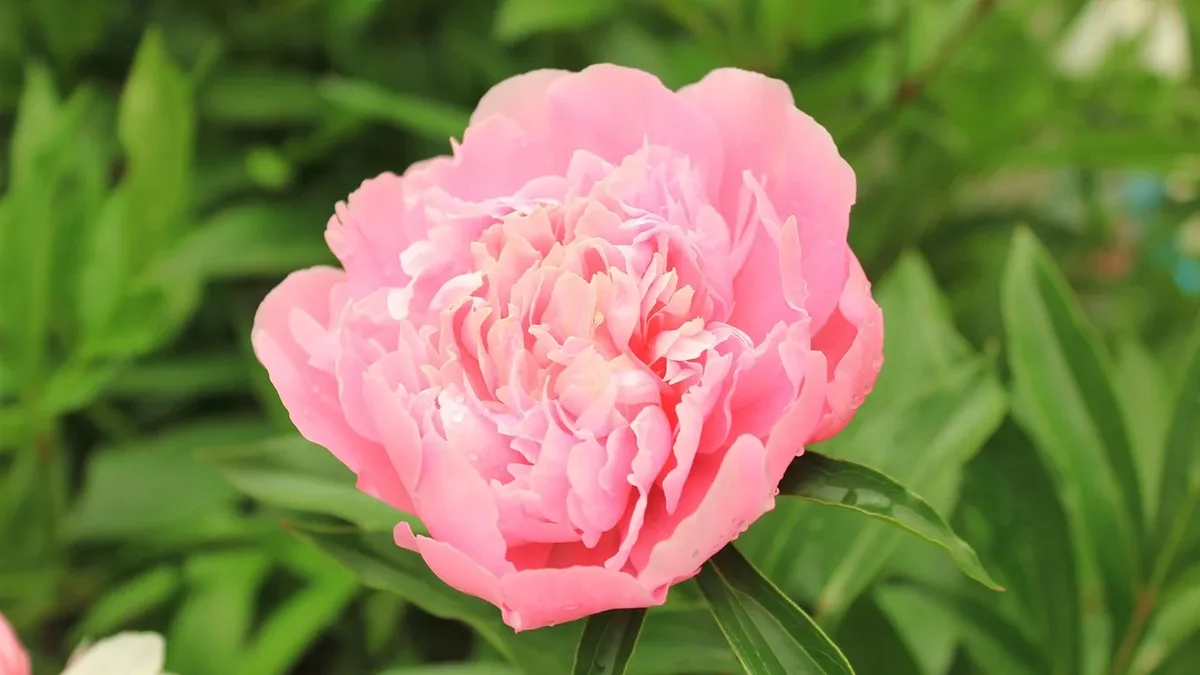
September Peony Care Tasks for Next Year's Blooms
Five essential fall gardening tasks for peonies, including cutting back foliage, dividing plants, and winter mulching, to ensure healthy growth and
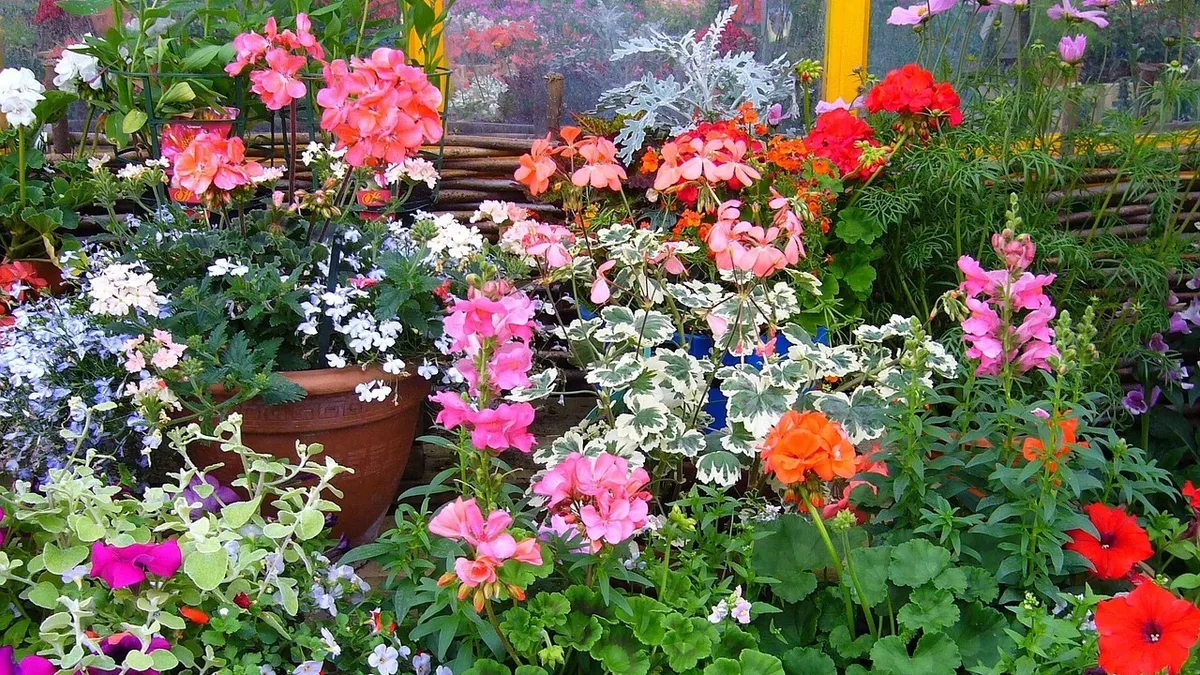
September Geranium Care for Overwintering Success
Gardening Know How outlines four essential tasks for September to help geraniums survive winter and thrive again next summer, including cleanup