Philadelphia Gardener's 10-Year Pollinator Garden Journey
A Philadelphia gardener shares the evolution of her 0.11-acre pollinator garden, detailing the native plants that thrive in its challenging mix of morning
Nancy in Philadelphia, Pennsylvania, has spent a decade cultivating a pollinator-friendly garden in Zone 7b. Her 0.11-acre plot, which receives morning shade followed by intense afternoon sun, is filled with native perennials chosen through extensive trial and error.
The "Meadow-ish" Garden Core
At the heart of the garden is an oval-shaped bed Nancy calls the "meadow-ish" garden. This area is dominated by vertically growing native plants selected specifically for pollinators. Key dependable performers include coneflowers, bee balm, rudbeckias, ironweeds, and lobelias. She notes that while some plants are cut back in May, a few still require staking by late summer.
Seasonal Transformations
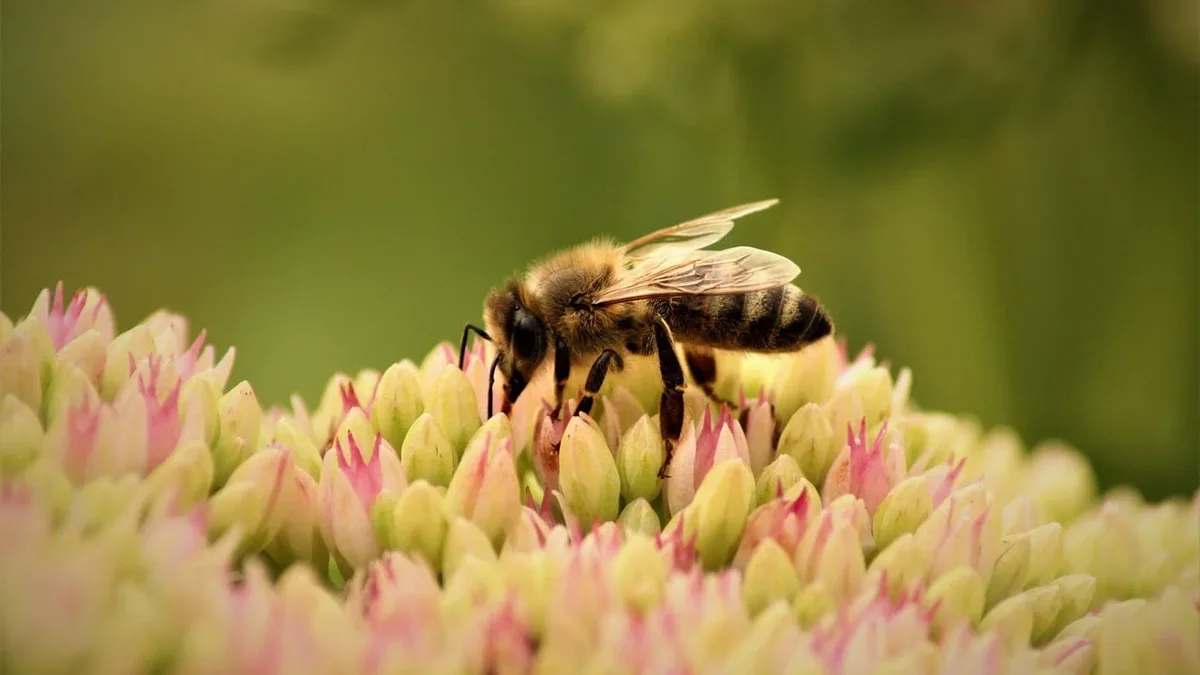
The garden undergoes a dramatic change from spring to summer. In spring, it presents a tranquil scene with sweeps of green and purple, accented with yellow. Plants like woodland phlox, Solomon's seal, and golden ragwort create this peaceful oasis. By high summer, the space transforms. Nancy describes it as "an in-your-face kaleidoscope of bright colors and almost human-height forms." Late August sees cutleaf coneflower dominating the meadow bed, joined by orange coneflower, 'Jeana' garden phlox, and cardinal flower. The 'Jeana' phlox is highlighted as a particularly strong pollinator attractor, especially for eastern tiger swallowtails.
Structural and Accent Plantings
There is no lawn in the garden. Instead, beds are densely planted. A small pond with a hardy water lily provides water for birds and local feral cats. In a back area that was once a dumping ground, Nancy uses tropical plants in pots for shots of color. Elephant ears, coleus, impatiens, and caladiums fill this space, along with a purple-leaved plant known locally as spotted widow's tears.
She has also found success with Korean feather reed grass, planted after struggling with taller native grasses that flopped. This grass handles the partial shade well, and its plumes turn pink as the season progresses. A note cautions that this grass can self-sow in some regions, advising gardeners to check local recommendations.
The garden's design, including a gravel path that disappears into the plantings, makes the small space feel larger. The contrast between the quiet spring garden and the wild, abundant late summer display is a key feature of this decade-long gardening project.