Instagram Gardiner Shares Seven Simple Design Habits
An Instagram user with twenty years of experience has distilled seven simple garden design habits, from planting in odd numbers to using evergreen
Instagram user @peteplants has shared seven gardening habits developed over two decades. The tips, which focus on design principles like repetition and layering, are intended to change how gardeners approach planting from this season onwards.
Plant in Odd Numbers and Repeat
The first habit advises planting in odd numbers. According to the source, three plants look more natural than two, and five look more natural than four. The brain reportedly reads even numbers as too organized, while odd numbers create a casual, thrown-together effect. This principle extends to plant selection. The recommendation is to pick three to five favorite plants and repeat them throughout borders to create rhythm and a professionally designed feel, rather than buying single specimens of every appealing plant. This approach is also presented as a way to save money by avoiding expensive, unfamiliar plants that might not survive.
Create Drifts and Edit Ruthlessly
Instead of dotting plants individually, the source suggests planting them in loose groups called drifts. The goal is to allow plants to touch and mingle, creating an impact that resembles a natural, self-seeded appearance. This is contrasted with scattering plants which can look haphazard. The fourth habit is ruthless editing. Gardeners are often overly optimistic about struggling plants. The advice is clear: if a plant is in the wrong spot, wrong color, or wrong scale, "move it, or remove it." A gap in a border is framed not as a problem, but as an opportunity for something new.
Use Structure and Embrace Chance
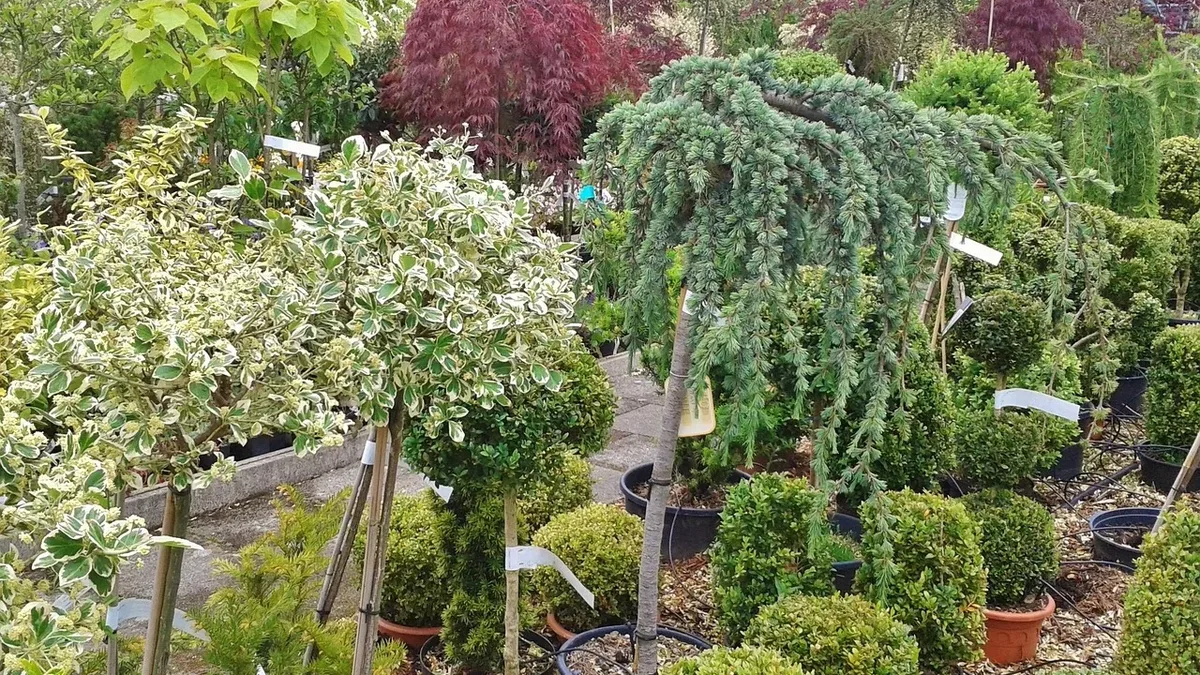
The fifth tip is to use evergreen structure. Planting structural shrubs like yew or box first, and then planting other items around them, is described as the single biggest upgrade for a border. This provides winter interest instead of a collection of brown sticks. Conversely, the sixth habit is to let things self-seed, called the laziest but most rewarding hack. Gardeners are advised to stop deadheading everything and allow seedheads to drop naturally. Self-seeding plants often find perfect spots, like cracks in paving, leading to accidental and successful garden combinations.
Think in Layers
The final principle is to think in layers. For a border against a wall or fence, this means placing tall plants at the back, medium plants in the middle, and small plants at the front. This ensures every plant gets light and visibility, adding depth. For an island bed visible from all sides, the same principle applies by putting the tallest plants in the center and working outward. The source concludes that none of these habits are complicated, most cost nothing, and once started, gardeners will wonder how they ever worked any other way.