Reusing Dead Wood and Rubble Boosts Garden Health
Garden expert John Little advocates pausing before clearing garden waste, arguing that reusing dead wood, rubble, and clippings adds structure
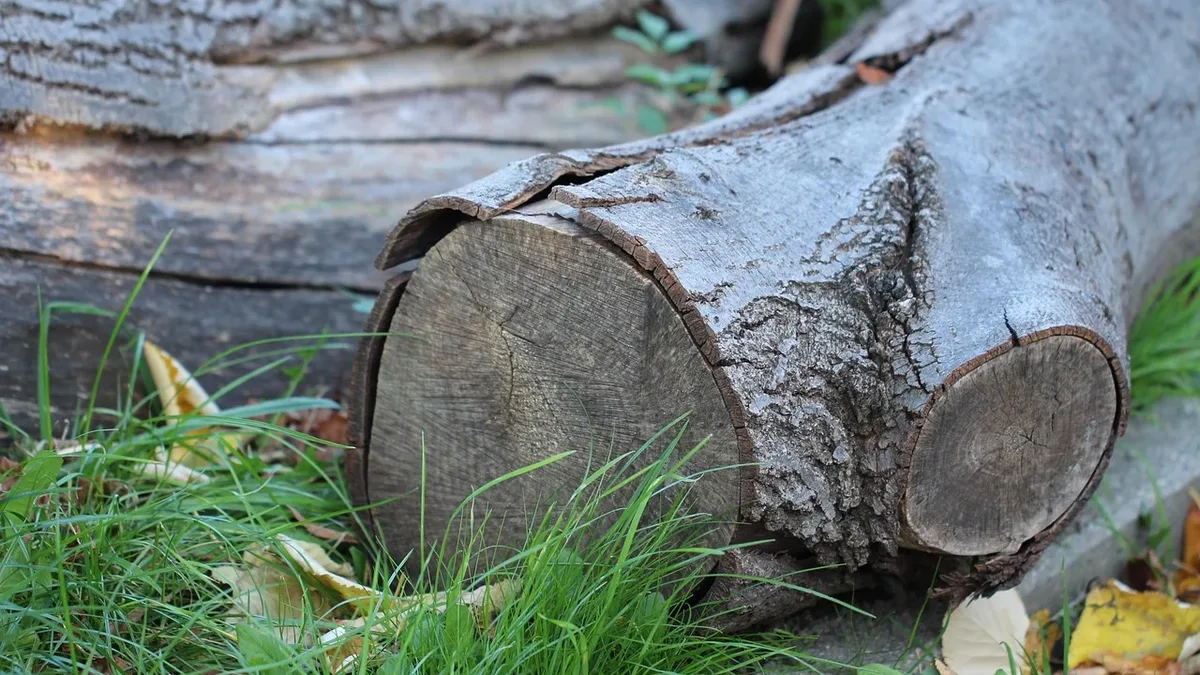
Gardeners should stop automatically clearing away dead wood, bricks, and rubble, according to expert John Little. Instead, reusing these materials can make a garden more individual, structurally interesting, and ecologically rich.
John Little of the Grass Roof Company and Care Not Capital urges a rethink of garden waste. His philosophy is about more than saving money or a trip to the dump. "Try to make everything fulfil more than one task," he says. Reusing materials adds a layer of sustainability, returns nutrients to the soil, and creates diverse habitats for wildlife.
This approach mirrors his work on brownfield sites, which ecologists consider highly biodiverse due to the variety of materials like decomposing wood and rubble. Little believes the same principle works on an individual level, leading to a more diverse, beautiful, and healthy garden.
What Not to Throw Away
Little advises pausing before disposing of many common garden materials. The goal is to break the cycle of removing waste only to buy new soil improvers, wood chip, or pavers.
Consider reusing the following items:
If planning a building project, incorporate material reuse early, as it can affect disposal fees and labour costs.
The Vital Role of Dead Wood
John Little states that most gardens lack sufficient dead wood. The Woodland Trust notes decaying wood releases nutrients and carbon into the soil. It provides food and shelter for fungi, insects, and animals, which in turn become food for birds and mammals. Cavities offer homes for bats.
Incorporating dead wood leads to better soil structure, more fertile soil, more natural pest predators, and a more interesting garden look.
Creative Ways to Use Waste
Simple log piles can be part of the design. Arrange logs into interesting or curved shapes, or use them to edge a border, standing upright or on their sides.
Standing deadwood offers a different habitat. Little suggests digging a hole to set a substantial piece of timber upright as a structural focal point. If a tree dies, consider leaving all or part of it to decay naturally, after consulting a tree surgeon for safety advice.
A compost bin remains the number-one suggestion for recycling. Little calls it an important ecosystem in itself. While most bins don't produce all the compost needed, combining composting with other reuse methods may reduce or eliminate the need to buy any.
Not everything must be composted. Longer trimmings can be woven into a 'dead hedge' between posts, which can improve garden design as plants look good against such structures.
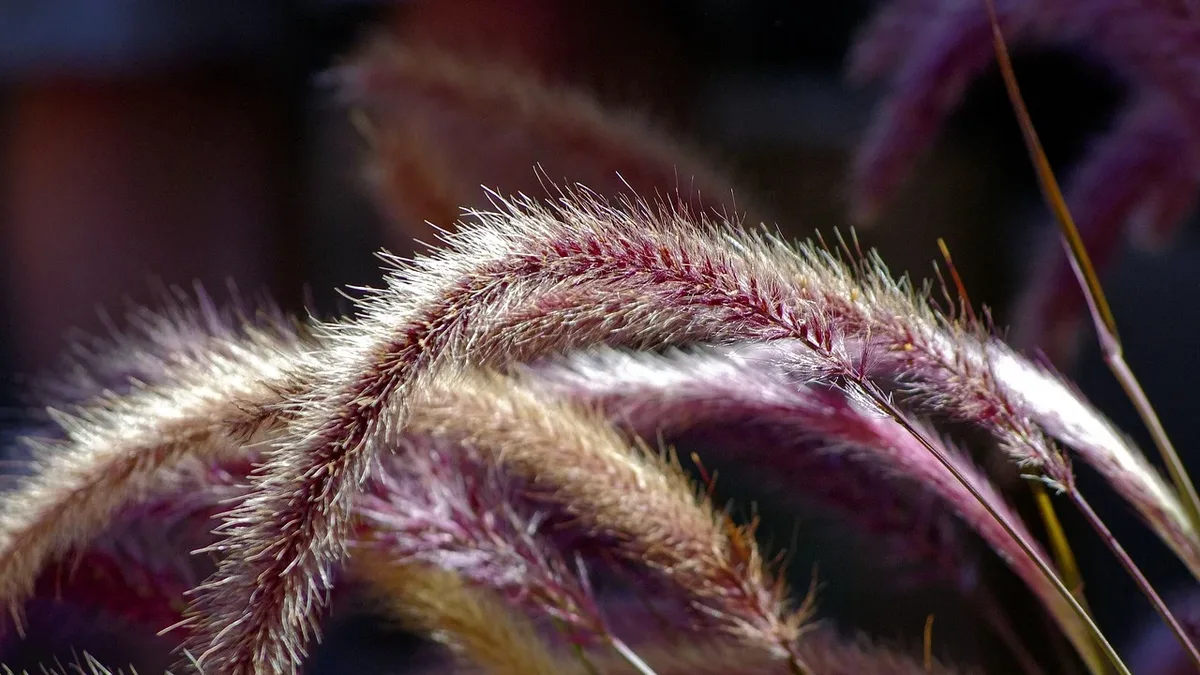
Instead of fully tidying in autumn, leave seedheads and grasses over winter for soil protection and insect shelter. In spring, rather than clearing everything to compost, Little suggests strapping the dead material neatly around a stake within a border, turning it into a decorative feature that still shelters insects and provides for birds.
At the Horniman Museum & Gardens, head of horticulture Errol Fernandes chops back dead grasses in March and ties them to hazel stakes, creating a decorative and functional result.