7 Night-Scented Plants for Evening Gardens
Gardening Know How recommends seven fragrant plants that release stronger aromas after dark, ideal for planting near patios and windows.
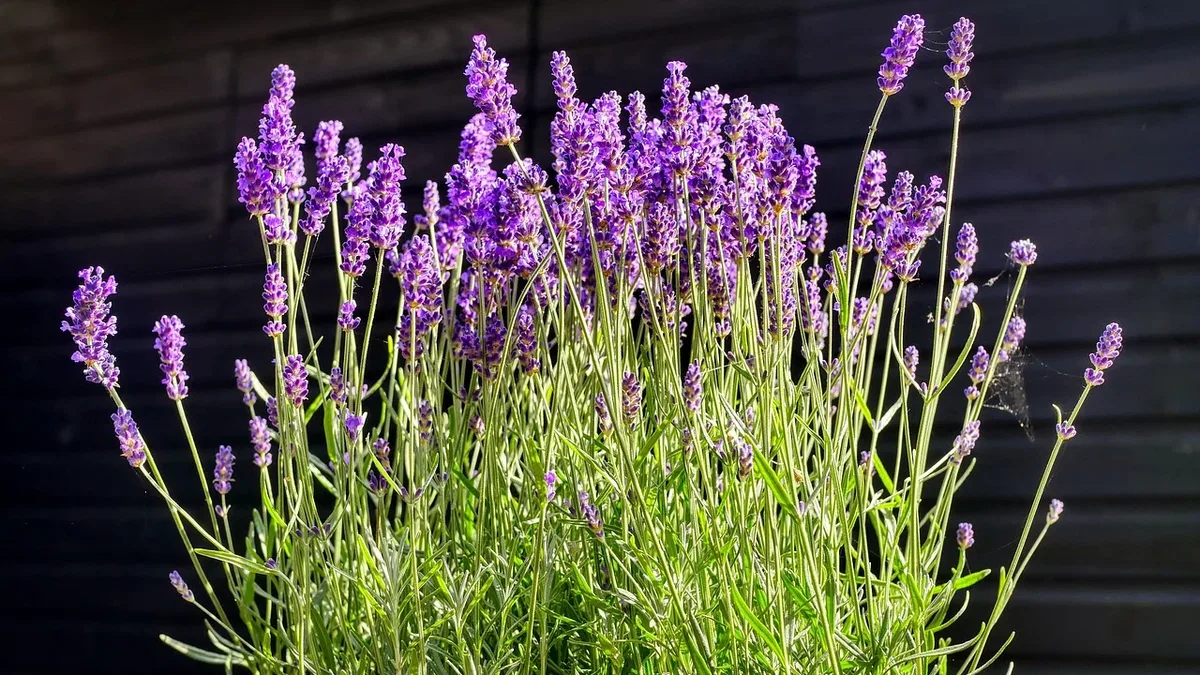
A garden's sensory appeal need not end at sunset. According to Gardening Know How, several plants intensify their fragrance at night, a trait evolved to attract nocturnal pollinators. Strategically placing these plants can transform an evening patio or deck.
Many flowers close as daylight fades, but others open and emit more scent. This creates an opportunity for gardeners to cultivate an evening oasis. The source suggests incorporating a few night-scented plants near seating areas or open windows rather than designing an entire garden around them.
Night-Blooming Jasmine
Night-blooming jasmine, or Cestrum nocturnum, is a fast-growing woody shrub. Despite its common name, it is a nightshade related to tomatoes, not a true jasmine. Its very strong floral fragrance intensifies after dark. The source advises planting it a short distance from seating areas due to its potent scent.
This tropical plant is hardy in USDA zones 8 through 11. It thrives in full sun or partial shade and requires fertile, consistently moist, well-draining soil. In warm climates, it can grow quite large. Gardeners in colder zones can grow it in containers and bring it indoors for winter.
Evening Primrose and Moonflower
Evening primrose (Oenothera biennis) is a native biennial hardy in zones 4 through 9. It prefers full sun and very well-drained, even sandy, soil. Its vigor means it can spread, so the source recommends using containers. The flowers open in the evening, releasing a light, sweet floral scent suitable for placement close to seating.
Moonflower (Ipomoea alba) is a night-scented vine, typically grown as an annual. Its large white flowers open at night with a sweet scent often described with hints of vanilla and almond. It requires a structure to climb, like a trellis or pergola, and grows quickly in full sun or partial shade with rich, moist, well-drained soil.
Angel's Trumpet and Flowering Tobacco
Angel's trumpet (Brugmansia spp.) is a dramatic shrub with large, trumpet-shaped flowers. Their sweet, intensely floral aroma strengthens in the evening. It grows best in full sun or partial shade with rich, moist soil. Hardy in zones 9 through 11, it can be grown in containers elsewhere and brought indoors in winter.
The source notes that angel's trumpet is highly toxic and may not be suitable for gardens with pets or small children.
Flowering tobacco (Nicotiana alata) is a tropical plant hardy only in zones 10 and 11 but easily grown as an annual elsewhere. Its abundant flowers emit a jasmine or honey-like fragrance at night. It prefers full sun or afternoon partial shade in hot climates, with fertile, moist, well-draining soil. Grouping plants increases fragrance intensity.
Night-Scented Stock and Mock Orange
Night-scented stock (Matthiola longipetala) is an annual known for a spectacular evening scent with notes of spice, clove, and vanilla. It thrives in full sun or partial shade with well-drained soil and is best grown as a cool-season plant in spring or fall. Its small, delicate form makes it suitable for tucking among other plants or in containers.
Mock orange (Philadelphus spp.) is a medium-sized shrub hardy in zones 4 through 8. Its flowers, which smell sweet and citrusy like orange blossoms, do not open at night but produce a strong scent that lingers into the evening. It performs best in full sun with well-drained soil and can become a permanent landscape feature near a patio.
Planting for Maximum Fragrance
Choosing plants is the first step. To maximize their effect, plant them where evening aromas will be captured: next to patios, decks, walkways, balconies, and open windows. Positioning seating areas downwind of the plants can harness evening breezes. Layering plants by height adds dimension.
Mary Ellen Ellis, a gardener with over 20 years of experience, contributed to the report. The source cautions against overdoing scents, recommending starting with one or two plants mixed among non-fragrant varieties to avoid overwhelming the senses.