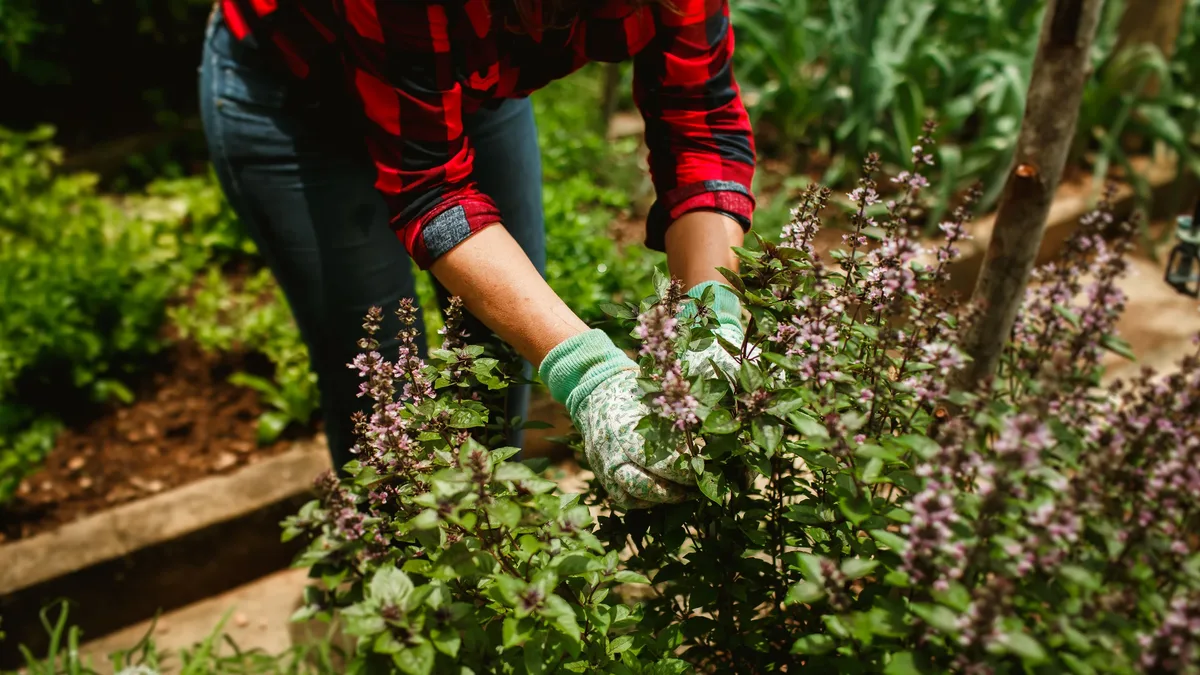
September Dahlia Care Prevents Fading Blooms
Gardening expert Teo Spengler outlines five steps to fix late-season dahlia problems like wilting and bloom drop, focusing on irrigation, fertilizer
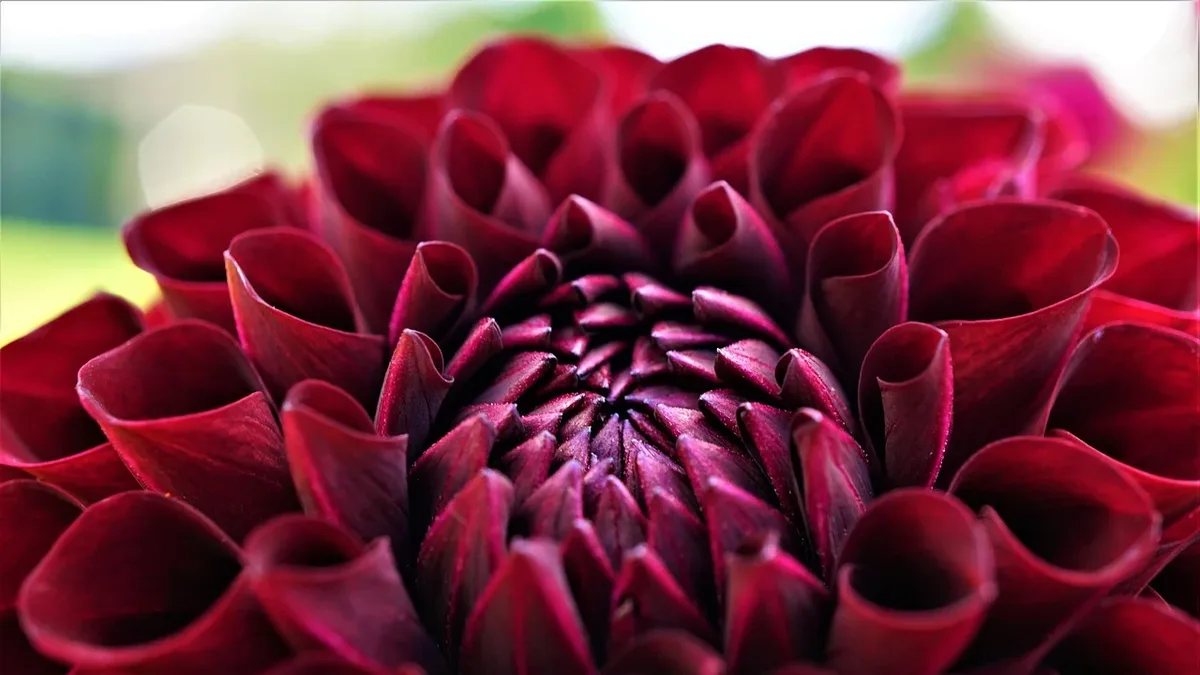
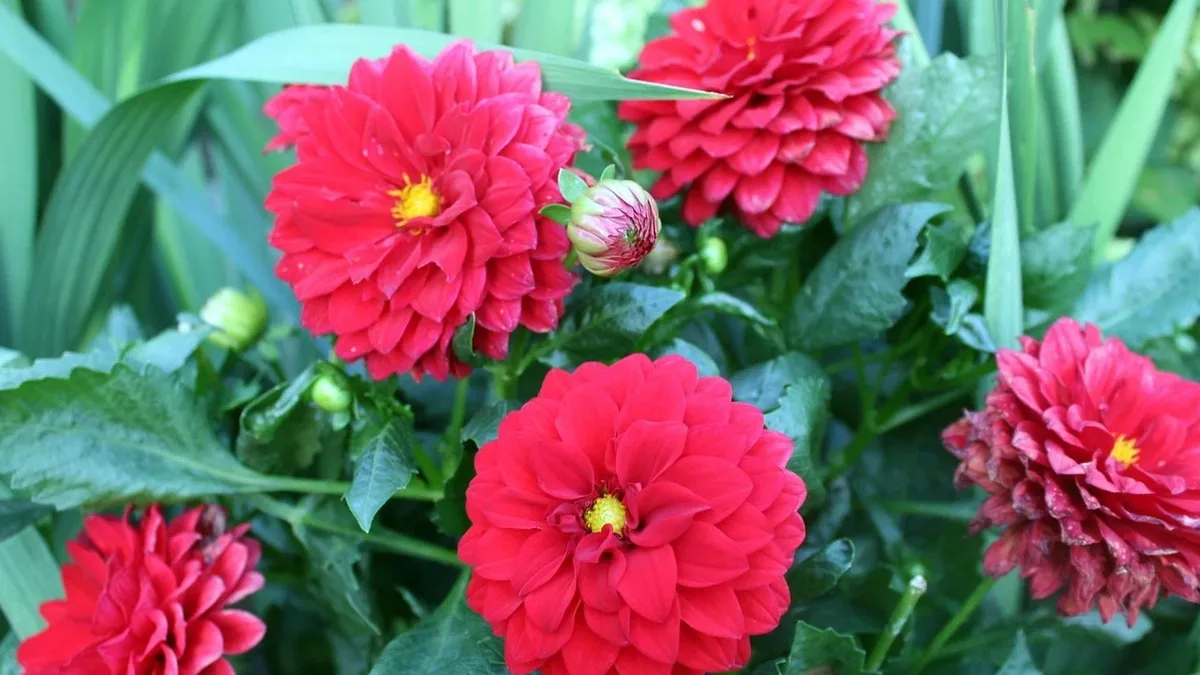
Dahlia flowers can fade and drop prematurely in September, but specific late-season care can extend their vibrant display. Gardening expert Teo Spengler, writing for Gardening Know How, details five corrective actions for issues caused by seasonal changes, pests, and fungal diseases.
Why Dahlias Struggle in Early Autumn
Dahlias typically bloom from mid-summer until the first frost. As summer shifts to fall, several factors can cause blooms to become dull, wilted, or to drop. Shorter day length and intense August sun are seasonal culprits. Others include fungal problems like powdery mildew and tuber rot, or nutritional shortages of potassium and phosphorus after months of growth. Pests and improper human care, such as incorrect deadheading or over-fertilizing, also contribute.
Five Steps to Solve September Problems
While day length and sun intensity cannot be changed, gardeners can address many late-season issues with targeted practices.
1. Adjust Irrigation for the Season
Watering needs change as hot, dry summer weather gives way to cooler, rainier autumn conditions. Gardeners should provide less supplemental water as local rainfall increases. Water pooling around stems can lead to rot and fungal diseases. The advice is not to measure rainfall precisely but to observe the weather and reduce weekly watering after appreciable rain.
2. Halt Nitrogen Fertilizer
Feeding dahlias nitrogen in September encourages soft, weak new growth that is vulnerable to pests, fungi, and cool weather. The plant's primary job in early fall is to finish its bloom cycle and harden its stems, not to produce new vegetation. All nitrogen feeding should cease by September. However, a low- or no-nitrogen fertilizer high in potassium and phosphorus can help, as these nutrients are depleted and support strong final blooms.
3. Master Correct Deadheading
Proper deadheading in September can extend flowering, while incorrect methods can stop blooms prematurely or encourage disease. Bad deadheading includes mistaking fresh buds for spent seedpods or pinching off flower heads just below the bloom, which leaves hollow stems that fill with water and rot.
Good deadheading requires following the spent flower stem down to where it meets a lateral leaf node. The cut should be made just above that intersection at a slight angle. Spengler explains this method stops the plant from wasting energy on seed pods, redirecting it to produce new buds.
4. Enhance Airflow Around Plants
Improving airflow is critical for preventing disease and sustaining blooms in moist September conditions. Cooler nights and heavy morning dew get trapped in the plant's dense late-summer growth, creating an ideal environment for fungal spores.
Gardeners should prune off leaves from the bottom six inches of the stalks to create a wind tunnel at the base. Thinning out crowded interior stems by removing weak, overlapping, or non-blooming branches also helps. This practice allows breezes to dry dew and rain quickly and reduces soil-borne spores from splashing onto leaves.
Balancing Blooms with Tuber Health
The goal is to enjoy late-season flowers without depleting the energy tubers need for the following year. Balance is key. Cutting shorter stems for indoor vases, rather than long ones, prevents the plant from wasting energy regrowing vegetation. Tapering off the water supply, letting soil dry more between waterings, signals that winter is approaching and prompts the dahlia to send resources underground.
Gardeners should wait for the first hard killing frost before cutting plants back. This cold snap pushes the dahlia into dormancy, sending a final flush of sugar to the roots. At that point, stalks should be cut to five inches tall. Tubers can be lifted from the ground two weeks later; this brief curing period toughens them for storage and vigorous spring sprouting.