Make Rose Salt from Garden Petals for Baking
A gardening writer explains how to make rose salt using home-grown petals, detailing the safe harvesting, blending, and drying process, and suggests
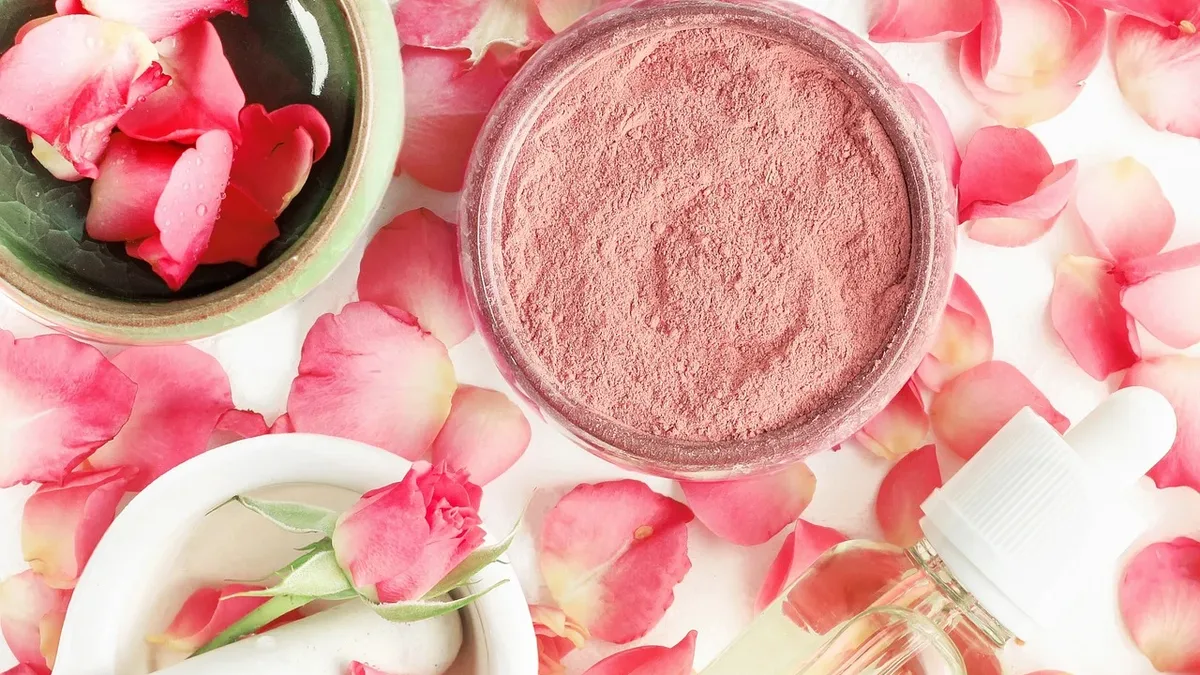
Rose salt, a simple condiment made from garden petals and coarse salt, can elevate both sweet and savory dishes. The process requires just two ingredients and takes moments to prepare, according to a guide on Gardening Know How.
How to Make Rose Salt
The first step is picking the right rose. All true rose petals are edible, but they must be free of chemical contamination. The safest source is your own garden, where you know pesticides haven't been used. Avoid roses near roads or treated fences. Recently purchased, non-organic rose bushes should be avoided for about six months to let chemicals fade. Never use petals from florist bouquets. Strongly-scented roses typically offer the most flavor.
Harvest newly-opened blooms early in the morning for the best flavor. Separate the petals, discarding the bitter white heel at the base of each. Wash the petals in cold water and pat them dry. You will need half a cup of fresh petals.
Combine the petals with three-quarters of a cup of coarse or flaky sea or rock salt in a food processor. Pulse until the petals are finely chopped and the salt takes on a rosy hue.
Spread the mixture in a thin layer on a parchment-lined baking sheet. Dry it in an oven at a very low heat of 120°F, stirring every half hour, for about two hours. The salt is ready when the petals have darkened and the mixture is fully dry. Let it cool completely before storing in an airtight jar.
How to Use Rose Salt
The flavor of rose salt varies with the rose variety. To enjoy its full effect, sprinkle it over a dish at the end of cooking. For brownies, scatter the salt immediately after removing the tray from the oven so the heat helps it adhere. For a subtler taste, sprinkle it on ten minutes before baking is finished. Beyond desserts, it adds depth to vegetable dishes and can be used to rim glasses for cocktails like margaritas.
Choosing Flavorful Roses
A rose's taste generally mirrors its fragrance in both profile and strength. Pink, white, and yellow roses often have the best flavor, while darker red varieties can be bitter. The source highlights three specific varieties for their distinct tastes.
The writer, Emma, a former editor of Modern Gardens and contributor to the Royal Horticultural Society, advocates gardening in tune with nature. Her own garden supports bees and butterflies, and her craft projects increasingly use plants grown for drying and weaving.