Peace Lily Care Tasks for September
Gardening Know How outlines seven essential tasks to prepare peace lilies for autumn's lower light and cooler conditions, focusing on reduced watering
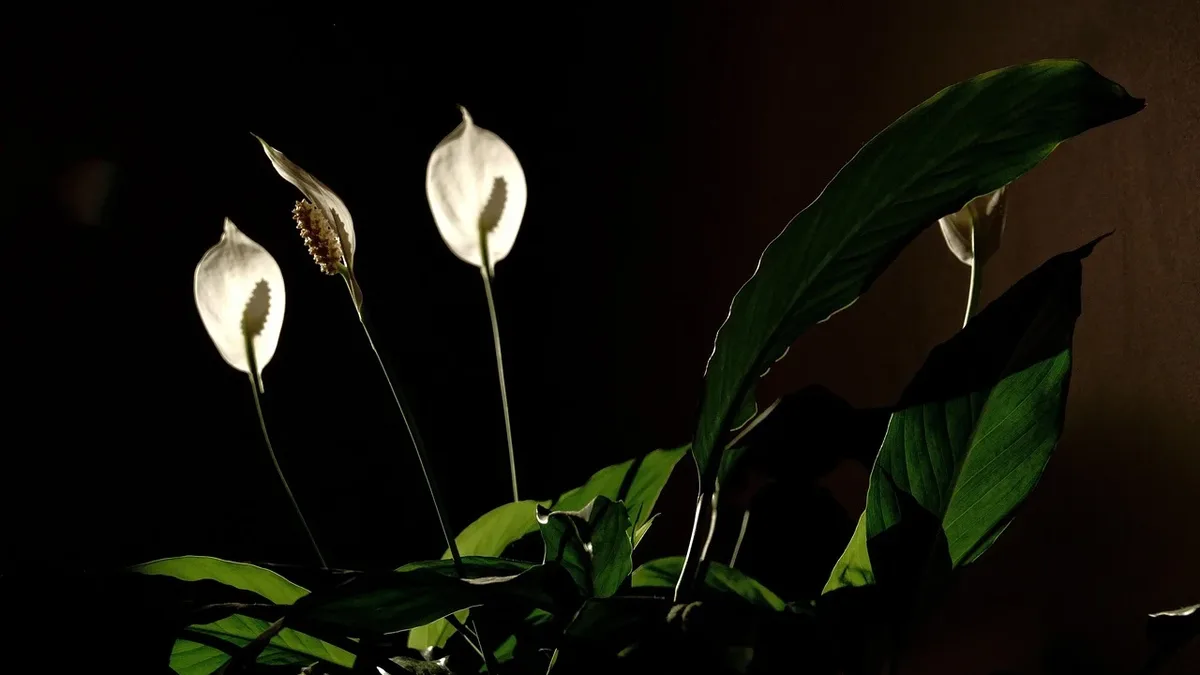
September marks a critical shift in peace lily care as daylight fades and indoor conditions change. According to a guide from Gardening Know How, seven simple tasks this month can prevent common winter problems by adjusting the plant's summer routine.
Adjust Watering and Feeding
Overwatering becomes a major risk in September. Cooler rooms and weaker light mean potting mix stays wet longer, which can lead to root rot. The source advises checking soil moisture by inserting a finger about two inches deep before watering; if it feels damp, wait. A long-probe moisture meter can help for heavier pots.
Feeding should also be reduced. The guide recommends one final, diluted feeding early in the month-about a quarter strength of a balanced liquid fertilizer-and then none until spring. Excess fertilizer can build up as salts in the soil, later causing brown leaf tips.
Clean and Inspect the Plant
Dust accumulation on the broad leaves becomes more problematic in autumn's weaker light. Wiping leaves with a damp cloth, while supporting them from underneath, improves light absorption and provides a chance to check for pests. The source warns against using leaf shine products, which can clog the leaf's pores.
Plants that spent summer outdoors should be brought inside before nighttime temperatures drop below 60 degrees Fahrenheit (16 degrees Celsius). However, a thorough inspection for hitchhiking pests like mealybugs and spider mites is key first. Using an insecticidal soap approved for indoor use before bringing the plant inside is recommended as preventive care.
Prune and Manage Environment
Spent blooms and aging leaves should be removed to redirect the plant's energy. The white spathe of a flower fades to a dull chartreuse when aging. The guide says to cut the flower stalk at its base using clean, sharp snips. Yellowing outer leaves can be removed similarly; one or two in fall is normal.
Preparing for dry indoor air caused by heating systems is another key September task. Peace lilies, which evolved in humid forest environments, benefit from increased humidity. Clustering plants together, using a pebble tray, or employing a cool mist humidifier to maintain around 50 percent humidity can prevent leaf tip browning.
What to Avoid This Month
Despite the urge to address root-bound plants, repotting should generally be postponed until spring. Repotting in fall forces the plant to rebuild its roots under low light and slow growth conditions. Peace lilies often bloom better when slightly snug in their pots. The only exception is if the potting mix has broken down completely and retains too much water.
The author, Tyler, notes that peace lilies are forgiving and these tasks need not follow a strict schedule. Completing them sometime in September should lead to a healthier plant by mid-winter.