September Geranium Care for Overwintering Success
Gardening Know How outlines four essential tasks for September to help geraniums survive winter and thrive again next summer, including cleanup
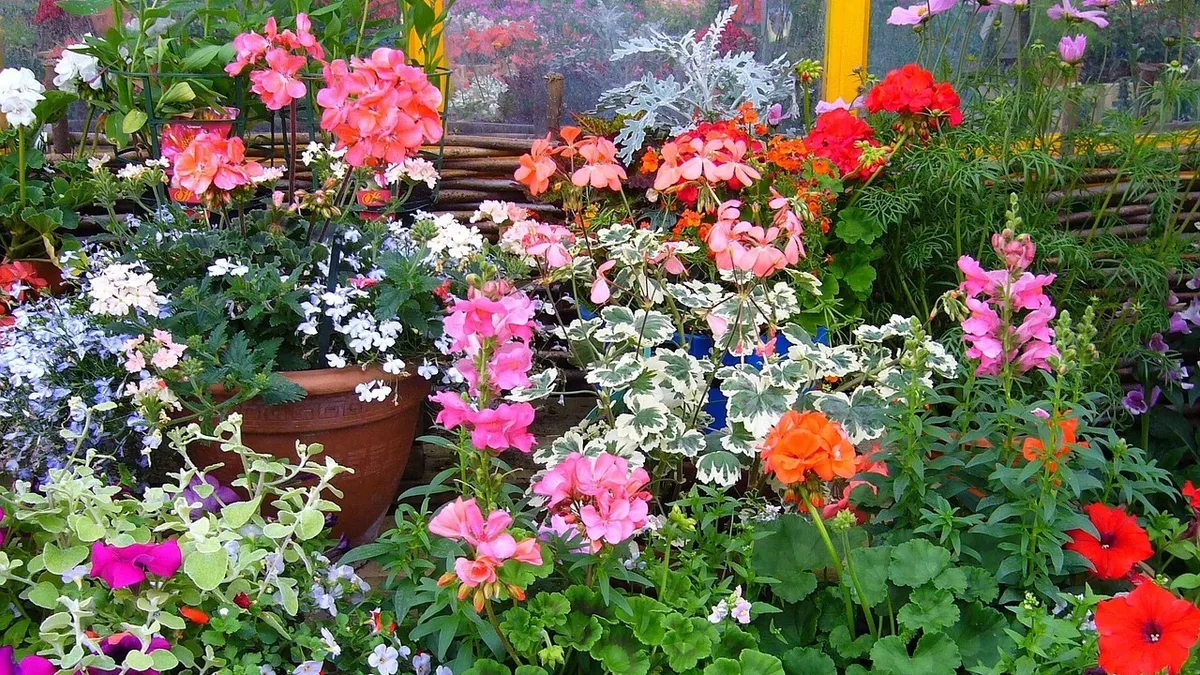
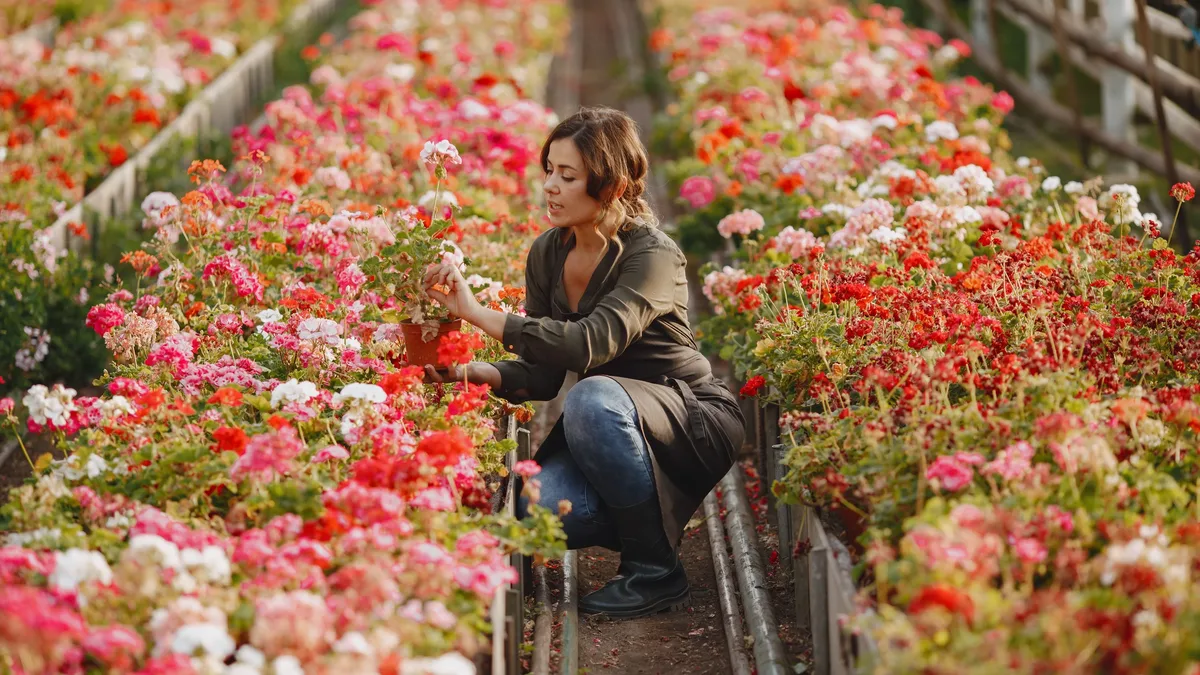
Gardeners can help their geraniums survive winter and flourish again next summer by completing four key tasks in September. According to a guide from Gardening Know How, these steps focus on preparing the popular summer flowers, technically perennials often grown as annuals, for the colder months.
Clean Up Dead Growth
The first preparatory step involves removing dead foliage and faded flowers. The source recommends using sharp, clean pruners to cut off dead flower heads or brown leaves and stems. Spent blooms can also be snapped off by hand where the flower stem meets the main plant stem. This material can be composted if it shows no signs of disease or pests.
Propagate from Cuttings
September is presented as an ideal time to take cuttings to propagate new geranium plants. Taking cuttings provides backup plants to share or to fill garden gaps the following year. The instructions specify using pruners to cut a 4-5 inch section from a non-flowering stem, just below a leaf node. Using a rooting hormone powder is suggested to encourage roots. The cuttings should be placed in moist potting mix or perlite in a container with drainage holes and kept in a frost-free location like a greenhouse over winter. They can be planted out after the last frost in spring.
Move Plants to Shelter
Before the first fall frost, geraniums should be moved indoors or into a greenhouse. A key pre-move check is for pests or diseases; if found, treatments like neem oil or insecticidal soap are advised before bringing plants inside. The indoor location should have bright indirect sunlight and be away from heating vents, as hot, dry air can damage the plants. Clustering multiple potted plants together can help raise humidity and prevent excessive drying.
Adjust Water and Fertilizer
As geraniums move toward winter dormancy, watering and fertilizing should be reduced. The source states that feeding plants at this time can stimulate unwanted new growth when they should be conserving energy. Overwatering in September can also promote new growth and may lead to root rot. Potted geraniums need less water in fall and winter than in summer. The guide advises watering only once the soil has completely dried out and suggests a soil moisture meter to eliminate guesswork. Laura Walters, a Content Editor at Gardening Know How, is credited as the author of the source material.